In brief
- The island of Nauru has changed its name to the Republic of Naoero.
- It becomes part of a group of nations that have renamed themselves to break free from colonial-era names.
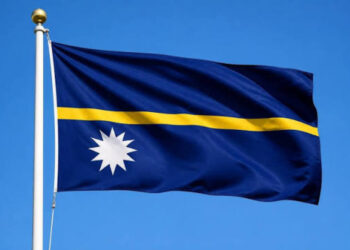
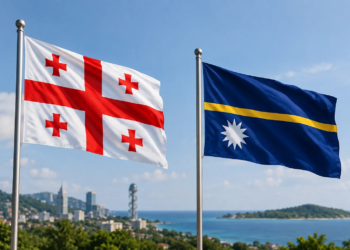
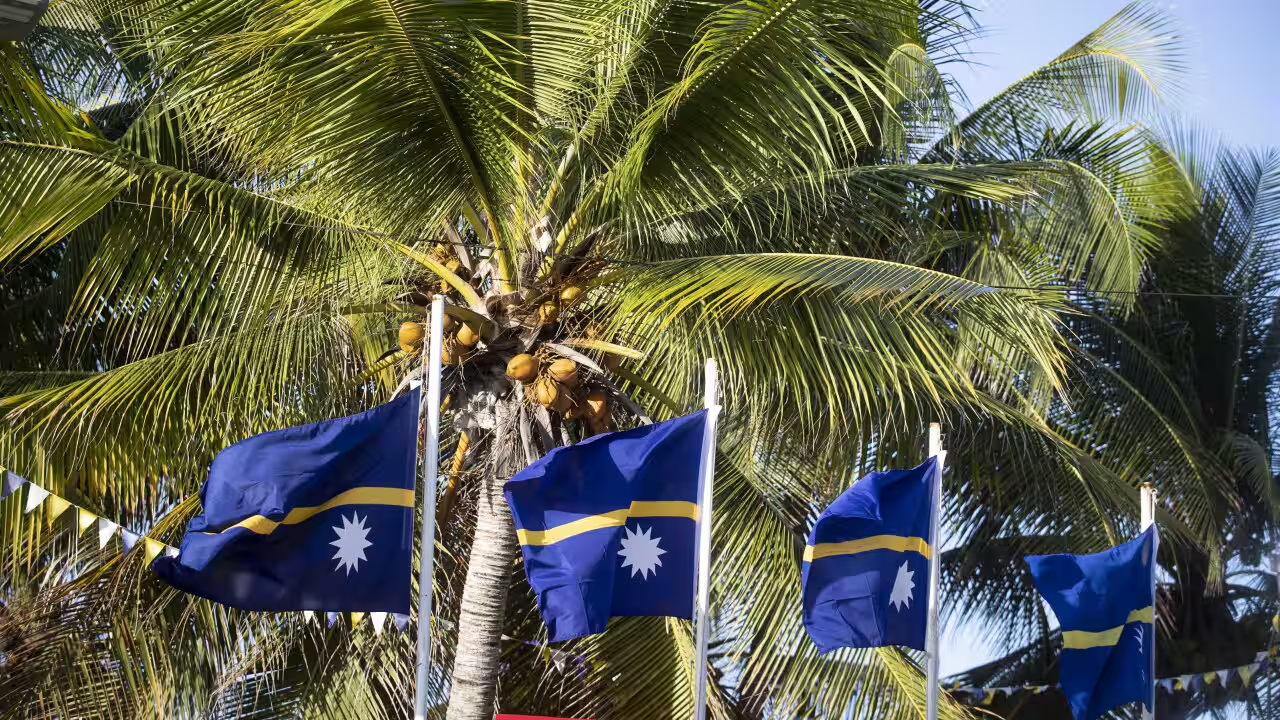
The Pacific island nation of Nauru has officially changed its name to the Republic of Naoero, reverting to its traditional designation in a move it said was aimed at strengthening national identity and cultural heritage.
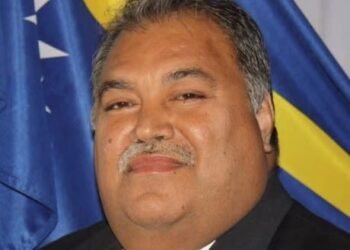
Nauru’s parliament passed a constitutional amendment in May to rename the country, initially planning a national referendum. However, President David Adeang said in a social media post last week that the referendum plans have been dropped.
“The decision not to pursue a referendum was reached after thoughtful deliberation that Naoero is not a new name seeking acceptance by the people,” Adeang said.
“It is already the identity of the people, is on the national coat of arms, and spoken in the community; and importantly is allowed by the constitution.”
The abbreviated name will be “Naoero”, while citizens will be referred to as “dei-Naoero”.
Your trusted source for staying up-to-date with the world around you. Get free daily news updates and analysis, straight to your inbox.
European colonisers changed the country’s name to Nauru after finding it difficult to pronounce the island’s native name Naoero.
The nation is the world’s third-smallest after Vatican City and Monaco, with a population of about 12,000.
Adeang said the decision was not about politics but about identity, heritage, and “preserving the legacy of our ancestors and strengthening the future of our children”.
The government has formally notified international organisations and countries of the change, with the transition process already underway.
A more meaningful name
Over the last 50 years, a trend of smaller nations asserting their independence from old colonial empires has given rise to a growing cultural trend — the national name change.
For many nations like Naoero, the desire to revert to its original, pre-colonial name is about cementing a sense of national identity or pride.
Timor-Leste adopted its current name — a Portuguese tautology in which both words mean “East” — in 2002. It was previously known as Timor Timur — its Indonesian name that, funnily enough, also meant “East East” — from 1975 until independence.
Tuvalu and Kiribati took back their names in 1978 and 1979 respectively, doing away with colonial names the Ellice Islands and Gilbert Islands.
Vanuatu followed suit in 1980, retiring the name New Hebrides after becoming independent.
Overseas, Türkiye was among the most recent major nations to change its name.
Its campaign for a name change started in 2021 when Turkish president Recep Erdoğan began asking various international bodies to observe the traditional spelling and pronunciation.
Erdoğan’s feeling was that the name Türkiye represented “the culture, civilisation and values of the Turkish nation in the best way”.
In 2018, Eswatini retired the name Swaziland to mark the 50th anniversary of Swazi independence. The name means “land of the Swazis” and was chosen, in part, to avoid being confused with Switzerland.
Cabo Verde, recently rising to fame for their underdog run in the 2026 FIFA World Cup, officially ended use of the name Cape Verde in 2013.
The change came about after national delegates asked the United Nations to use only Cabo Verde for official purposes rather than the Anglicised version.
Namibia did away with the name Southwest Africa in 1990, while the Republic of Côte d’Ivoire changed from the Ivory Coast in all official capacities in 1986, and has refused to acknowledge any translation of its name from French ever since.
Burkina Faso retired the name Upper Volta in 1984 in favour of combining two words from local languages — “Burkina” (from Mooré, meaning “upright”) and “Faso” (from Dyula, meaning “fatherland”). Other translations note its meaning as “Land of the honest/incorruptible men”.
In 1980, Zimbabwe dropped Rhodesia from its name, one coined by colonialists two decades earlier.
In 1975, the Republic of Dahomey became Benin, and Dutch Guiana became Suriname.
With reporting from Reuters.
For the latest from SBS News, download our app and subscribe to our newsletter.