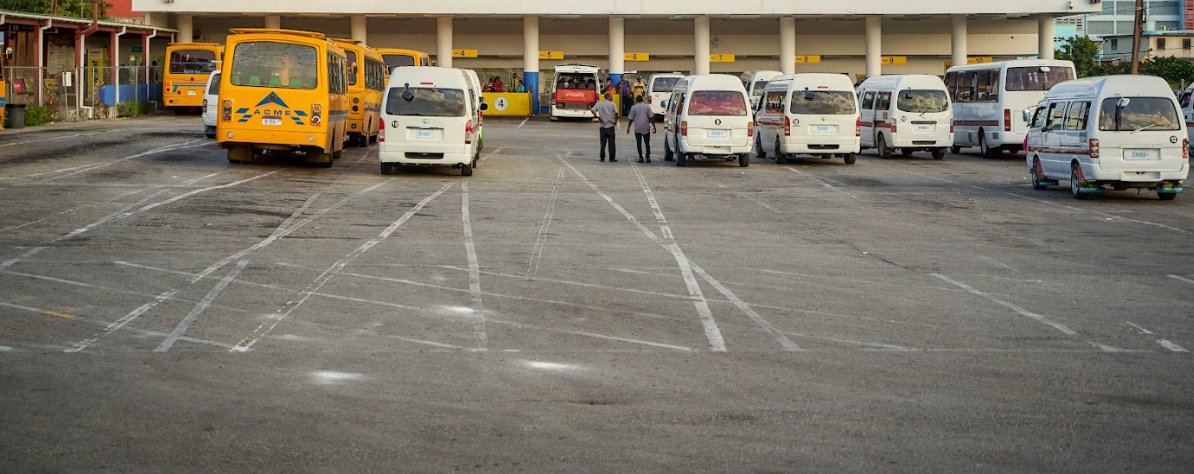
The owners of the island’s privately run public service vehicle (PSV) industry are set to launch an ambitious ten-point transit plan that will include free on-demand service to the disabled community and buying into the state-owned Transport Board’s divestment programme, Barbados TODAY can reveal exclusively.
Chairman of the Alliance Owners of Public Transport (AOPT) Roy Raphael disclosed on Wednesday that his association will shortly meet with the Ministry of Transport and Works to present its proposals for investing in the Transport Board.
He said: “The president of the Co-operative Investment Fund, Oriel Doyle, recently announced that he was working closely with the association, where he has already put a proposal to the government to purchase the Transport Board. Hopefully, we will meet with the ministry shortly to present our proposal to them. Under its divestment programme, the association has a vested interest in this proposal.”
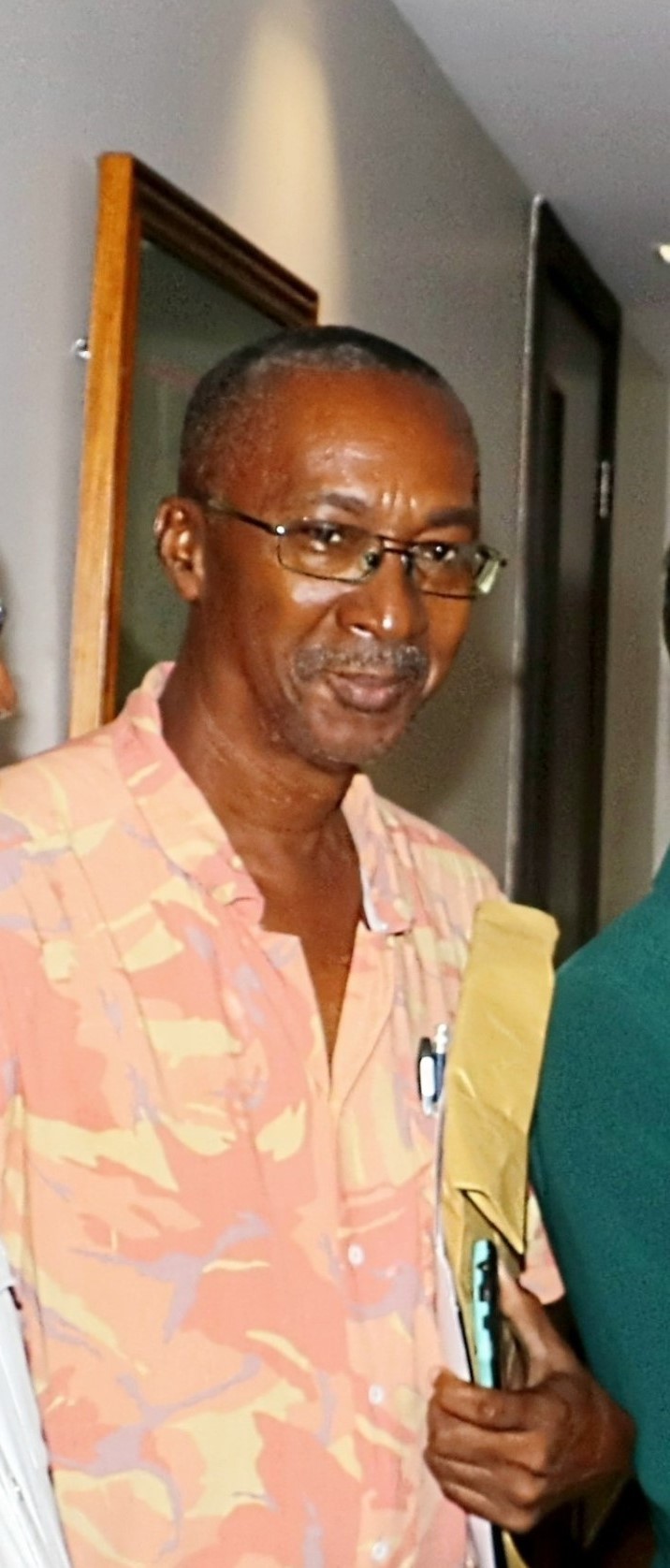
roy raphael (FP)
He said he preferred not to elaborate on the planned investment proposal at this stage, but pledged to provide an update on the status of the ten-point plan in the coming weeks.
He revealed other aspects of the plan, which he said was designed to enhance public transport.
“Some of the plans include working closely with the disabled community. Recently, we would have met with the disabled community, and they would have identified some of the issues that confront them relating to public transport.
“One of them is that there are not enough PSV buses to service the disabled community. For example, they have to rely on the Transport Board and the private taxis to take them from point A to point B. I believe, though, that we as an association have a responsibility – as owners and an association – to ensure that we work with the disabled. So, my organisation has appointed a Special Assignments Officer – Craig Banfield – who is also a complaints officer – he has responsibility [for] working with them to see how best we can make life easier for them as it relates to public transport.”
The PSV spokesman said the AOPT leadership recently visited a number of areas, including Warrens, parts of Bridgetown and the north of the island, where they recognised that some bus stops are not accessible to people with disabilities, a situation he contended can create further challenges.
Raphael said: “We are hoping that once the government approves the 15 electric buses that we expect to be assigned to the public transport sector, we are hoping that out of those 15 buses, at least five or six of them would be disabled friendly, and that we are hoping to introduce what we call a blue route. It’s not going to be a traditional route, but it is going to be one that allows people to access essential services such as supermarkets, shops, health clinics and so on.”
He continued: ‘It’s not going to be specially for them, but is going to be for the public. So, for example, the traditional route will go from Speightstown onto Highway 1, but we may do Speightstown…we may go Highway 1 and also 2 and come back down to 1. So, it’s not going to be the traditional route. Once we have identified where these persons are, we are going to be working very closely with them to ensure that transportation is accessible to them.”
He acknowledged some people with disabilities could not afford the cost of specialised transport but gave an assurance that the new special assignments officer will work closely with them.
“We are hoping that once the government approves the 15 electric buses, that some of them will be made available to them. As we speak, not one of our PSVs have accessible buses to the disabled. We want to change that. The government would have made available to us two and a half years ago $3m to assist us in transitioning our transport energy project.
“Fifteen persons have applied for the loan, and the loan is being administered by Fund Access. Out of the 15 persons, so far, five persons have been approved. So once the vehicles come into Barbados, we are hoping that some of them will be accessible to the disabled community. We move quicker. We have more routes than the Transport Board. We are hoping that by having these vehicles available that we would see more people who have disabilities having access to our buses.”
He said some of the privately owned buses also need to accommodate wheelchairs.
The plan also covers bus stop accessibility, according to Raphael:
“What we found on our tour was that some of the bus stops are very high in terms of people being able to climb and some of these bus stops are very close to the road. So obviously, with a bus pulling in to collect those people, it would be difficult for them. So, we are going to continue discussions with the Ministry of People Empowerment and the Barbados Council for the Disabled to ensure that this plan comes into effect.”
He said the AOPT will also be collaborating with churches and community service groups on the allocation of additional buses:
“Recently, we were called upon by two schools that cater to the disabled community for assistance, but we do not have accessibility, so we could not help them. But if we work through the community services and our association, we could identify two buses. We had discussions with the Chinese Embassy on this matter. It is not final, but hopefully, we will be returning to them very shortly and through a special funding that we are hoping to get, we should see two new additional units assigned to our association because we have drivers. And these drivers will be specially trained to assist with the disabled transportation, whenever they need it.”
The plan will also serve the disabled in disaster preparedness.
“We also looked at the disabled in disaster preparedness. We are going to be working with the People’s Empowerment Ministry because, obviously, we would have to have a list of those people and where they are available that we too can chip in and provide transportation for them, moving them to a shelter. So we are going to start training for our members very shortly to be able to deal with the disabled community.”
He added: “During the hurricane season… we are going to make available to them 25 taxis which are ZMs and Zs…available to the Ministry of Transport and Works Emergency Plan to assist those people if they need to be evacuated.”
Raphael said while the transport will be free to users, his association will be having discussions with the council to see if it can raise funds to give the drivers a small fee.
“The blue route buses basically will be free of cost. But what will happen is that people with disabilities and those other persons usually pay high fees in terms of taxi rates. What I believe that we can do is to work with the Barbados Council for the Disabled to see if they can raise some funds to pay the driver so they would have free access to the bus services. What we will do is that we will offer our services to them at any time once they book. It could be night time, it could be morning. Once they book the service, we are going to make it available to them.”
Raphael also announced that a non-critical care ambulance service will also be covered by the ten-point plan:
“We are also looking at a non-critical care ambulance service to assist them because everybody can’t sit for a long time or can’t walk. We have drivers…we have drivers who are willing to volunteer their time to assist once we prepare a rostering system.
“We have discussed it among ourselves; we have discussed it with the disabled community, and hopefully, if everything works well, we should be seeing two new buses along with a non-critical care ambulance, especially for those people who can’t sit for a very long time. We are prepared to work with them. We are prepared to assist them in every way we can to make their lives comfortable because transportation is very critical as we go forward.”
The plan would also see schoolchildren ride on the ZR route taxis. Raphael said his association will be looking to meet with the Ministry of Education next term to discuss the matter.
A major public awareness and education programme is also proposed on safety and security.
“We are going to start implementing part of the ten-point plan very shortly in the coming month. First order of business will be to have meetings with the Ministry of Transport to resolve the issue affecting the association, such as permits, and the relationship between the association and other key transport officials; and also meet with the chairman of the Transport Board to see how best we can work collectively.
“And then, we will move to the disabled community, into the divestment of the Transport Board, and then we are going to have other areas we will be touching on as well. In the coming months, we will give an update on the ten-point plan status.”
(EJ)