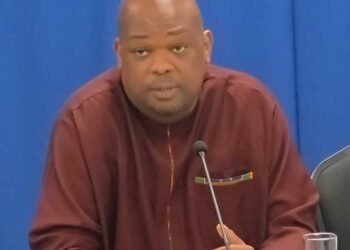
Minister of Foreign Affairs and Foreign Trade Christopher Sinckler is making a case for Barbados to turn its diplomatic relationships into investment and business opportunities while removing barriers that could deter investors.
Speaking at BIBA’s two-day Global Business Week Conference 2026 at Wyndham Grand Barbados Sam Lord’s Castle on Thursday, Sinckler said Barbados had mastered political diplomacy but had further to go in commercial diplomacy.
“We defend Barbados’ interests wherever decisions affecting our economy and society are made. We don’t beg for entry,” he said. “If you’re not sitting at the table, you’re probably part of the menu.”
He said making better use of international relationships had to go hand in hand with improvements to the local business environment.
Sinckler pointed to the difficulties companies faced when opening bank accounts, suggesting that even a jurisdiction with sound rules could frustrate legitimate business if its processes were cumbersome or its requirements unclear.
Drawing on his own experience, the minister told the conference that he had been able to open a US bank account online while in Barbados with just $50, but found it more difficult to open an account locally, despite the banks involved being headquartered in the United States, the United Kingdom and Canada.
“So what is the difference between here and there?” he asked.
“Time is running out, and we can no longer continue to say, ‘We will try, we’re doing this, we just have to get it done’,” he said.
Sinckler also urged businesses to look beyond traditional markets such as the United States and Canada to opportunities in Asia, Africa and Latin America.
He said Barbados was advancing towards establishing a new overseas mission in India and needed to make better use of its social, cultural and political relationships to attract investment from its diaspora and other international partners.
He also said greater proficiency in other languages was necessary for Barbados to compete more effectively in global markets.
“We’re just not going to be competitive globally if we cannot speak a second language,” he said.
Turning to legislative changes, Sinckler said Parliament would shortly debate a new Immigration Act and a new Citizenship Act, following consideration by two joint parliamentary committees and a lengthy public consultation process.
He said the legislation would cover businesspeople, investors and Barbadians, particularly those of Barbadian descent in the second and third generations.
Sinckler also pointed to the importance of international mobility, noting that Barbados’ passport was the highest ranked in the Caribbean. Greater mobility, he said, helped entrepreneurs and professionals reach clients and build commercial relationships.
On securing investment, he said the region’s challenge was not a shortage of money but the need to turn ideas into projects capable of attracting financing.
He cited last month’s Caribbean Investment Forum, which brought investors from across the region and further afield to identify bankable projects. Based on the figures he had seen, Sinckler said it was the largest investment conference Caribbean Export had held.
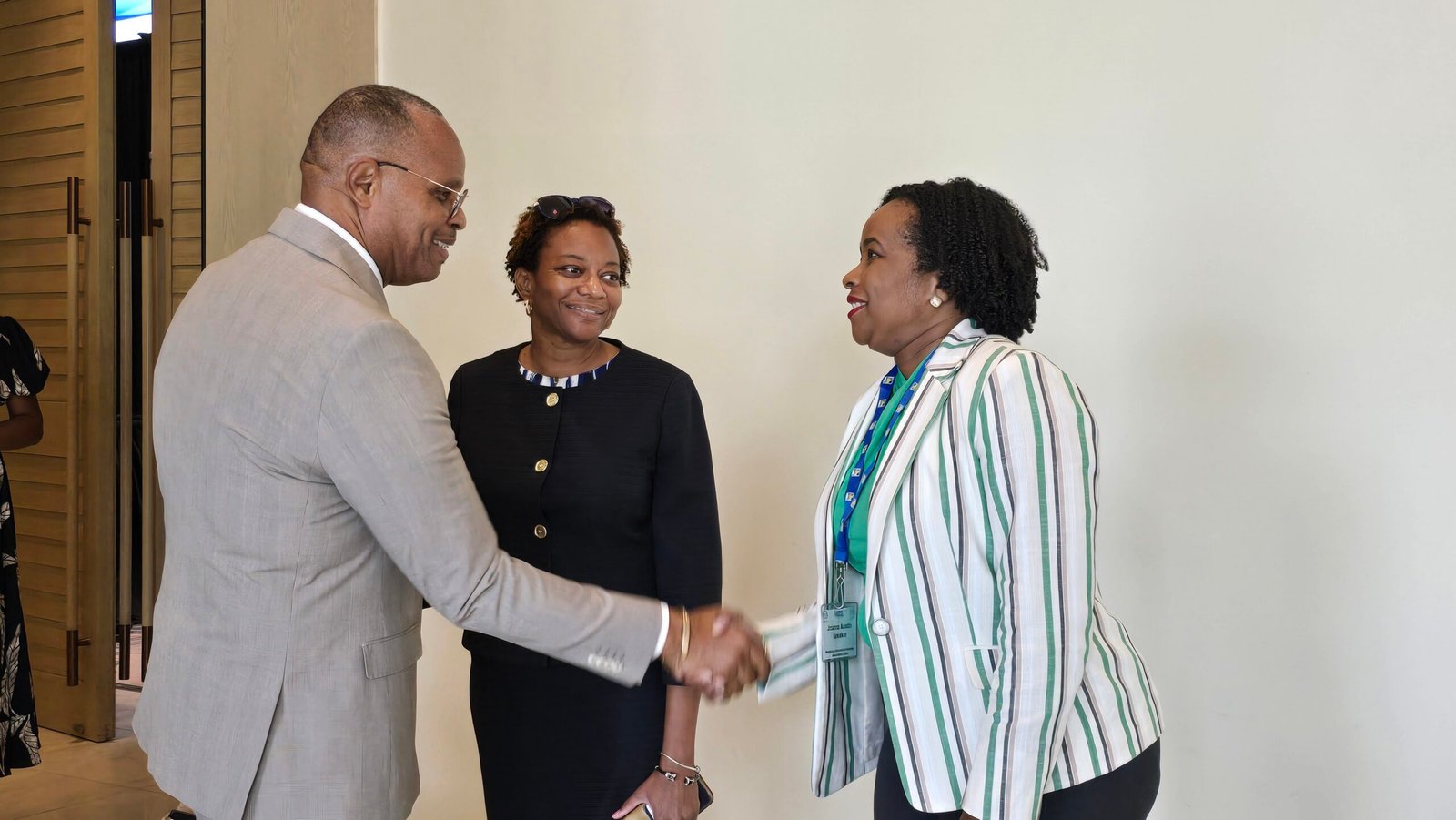
Earlier in the conference, BIBA President Joanna Austin said Barbados’ history, legal framework, professional expertise, political stability and international relationships had helped establish its position in the international business sector.
At the same time, she cautioned that the country could not take these advantages for granted as competition and regulatory demands grew.
Austin said other jurisdictions were investing in their capabilities and refining their offerings, while regulatory requirements were becoming more demanding.
“The question before us, therefore, is not simply whether Barbados remains an attractive jurisdiction today; it is whether we are making the decisions necessary to ensure that Barbados remains relevant, competitive, and trusted tomorrow,” she said.
She also described compliance as an important part of maintaining Barbados’ appeal to serious businesses.
Austin said compliance was “not the price we pay to do business” but “part of the reason serious businesses should choose to do business with us”.
(LG)