US President Donald Trump is reportedly giving Iran just days to come up with a proposal to end the war. However, Tehran sees itself in a position of strength with the blockade of the Strait of Hormuz, which is important for the global economy. According to the Wall Street Journal, mediating states including Turkey, Pakistan and Egypt are frantically trying to arrange a new meeting between the two sides, possibly this Friday. The USA and Iran warned that they were ready to resume fighting.
Trump is willing to extend the ceasefire by three to five days, report the US news portal “Axios” and the Fox News channel, citing a US source and a White House official. Trump’s extension of the ceasefire announced on Tuesday is therefore only intended for a short period of time. Trump spokeswoman Karoline Leavitt told reporters that Trump had not set a deadline for Tehran to submit a proposal. But he is the one who sets the schedule. But Iran sees it differently. The “losing side cannot dictate the terms,” an aide to Parliament Speaker Mohammed Bagher Ghalibaf wrote on X.
Tehran is sticking to the counter-blockade
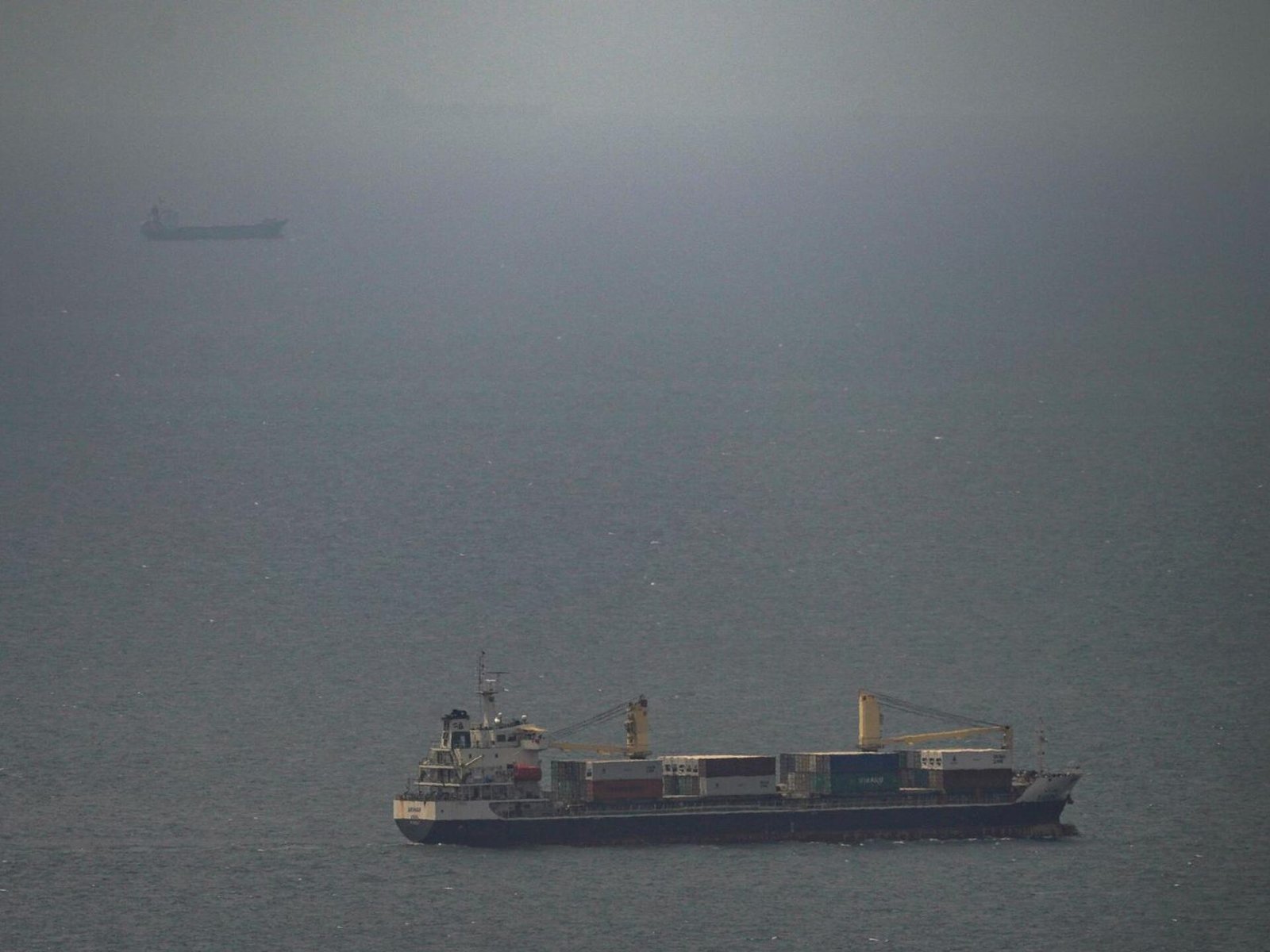
Recent Iranian attacks on freighters in the Strait of Hormuz show that Tehran still has a firm grip on the strait and could thereby further exacerbate the strain on the global economy, wrote the New York Times. The White House, however, downplayed the significance of the incidents. The media would exaggerate it, Leavitt told Fox News. Iran’s navy has been completely destroyed by the US military. Speedboats attacked the freighters. “Iran has transformed itself from the deadliest navy in the Middle East to a band of pirates,” Leavitt said. Trump’s spokeswoman claimed that Tehran does not have control over the Strait of Hormuz.
The US President had made opening the strait a condition for the ceasefire. At the same time, he is sticking to the US naval blockade, which affects ships coming from or heading to Iranian ports. Danny Citrinowicz, a leading Iran expert, wrote on X: “It is tempting to believe that time and pressure will force Iran to give in. But they will not.” Instead of making concessions, Iran is positioning itself for escalation, “particularly in a way that increases the global economic costs of confrontation,” it said.
Experts: Tehran has its own leverage
Richard Fontaine of the think tank Center for a New American Security (CNAS), wrote on X: “The fight has moved from the air and land to the sea.” It’s about “blockade against blockade. An economic war focused on the Strait of Hormuz.” The blockade of Iranian ports and the deprivation of oil revenues for the Revolutionary Guards are more effective for the USA than Trump’s threats to bomb power plants and bridges.
The problem is that Iran is putting a strain on the global economy by blocking the Strait of Hormuz. “Tehran is counting on being able to withstand the consequences of a blockade longer than the rest of the world,” Fontaine wrote. Iran’s control of the strait is “more useful to Tehran than its nuclear program.”
Citrinowicz wrote that the U.S. government will eventually face the “inevitable choice: escalation or concessions.” Even a limited military strike would hardly persuade Iran to surrender. “It is more likely that he will trigger an escalation and exacerbate the crisis that he actually wants to contain.” The sooner Washington recognizes “that pressure without a political goal is a strategy with no way out, the better the chances of avoiding endless conflict,” it said.
Pro-government broadcaster: “The nuclear issue is effectively off the table”
In its own assessment of the situation, the pro-government Iranian broadcaster Press TV emphasized that Iran has learned in recent decades to survive under maximum sanctions pressure. “Even if the blockade were lifted tomorrow, Iran would continue to refuse to participate in talks as long as the enemy insists on raising the nuclear issue,” it said. “The nuclear issue is effectively off the table.”
The arch-enemy Israel, which started the war together with the USA on February 28th, is insisting in negotiations between the USA and Iran that Iran must not threaten Israel with its nuclear and missile program. Tehran denies developing nuclear weapons. In Israel there is no belief that an agreement can be reached. According to Prime Minister Benjamin Netanyahu, the country is “prepared for any scenario”. This applies “in defense and in attack,” Netanyahu said at a meeting with Israeli missile defense soldiers.
Renewed talks between Israel and Lebanon
Meanwhile, Israel and Lebanon are meeting again in Washington today for ambassador-level talks. It’s about the military conflict between Israel and the Iranian-backed Hezbollah militia. The Lebanese government, which is not itself a warring party, wants the ten-day ceasefire that came into force on Friday to result in a permanent settlement to the fighting. She also wants to achieve a withdrawal of Israeli soldiers from the south of Lebanon. According to Netanyahu, Israel is seeking a permanent peace agreement with Lebanon and the disarmament of Hezbollah.
However, despite the ceasefire, fatal incidents continue to occur in southern Lebanon. According to the Lebanese Ministry of Health, three people, including a journalist, were killed in an Israeli airstrike. She therefore worked for the newspaper “Al Achbar”, which is close to the Hezbollah militia. There are indications that the ceasefire is shaky. A Shiite militia deputy told a Lebanese TV station that the organization was no longer committed to the ceasefire.
During the negotiations between Iran and the USA, it was controversial whether the ceasefire agreed between Washington and Tehran also applied to Lebanon. Tehran sees it that way, the USA and Israel do not. The US embassy in Beirut is now urging its compatriots in Lebanon to leave the country. “The security situation remains complex and may change rapidly,” the embassy said in a security alert.