ENGINE
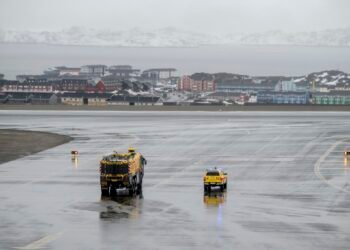
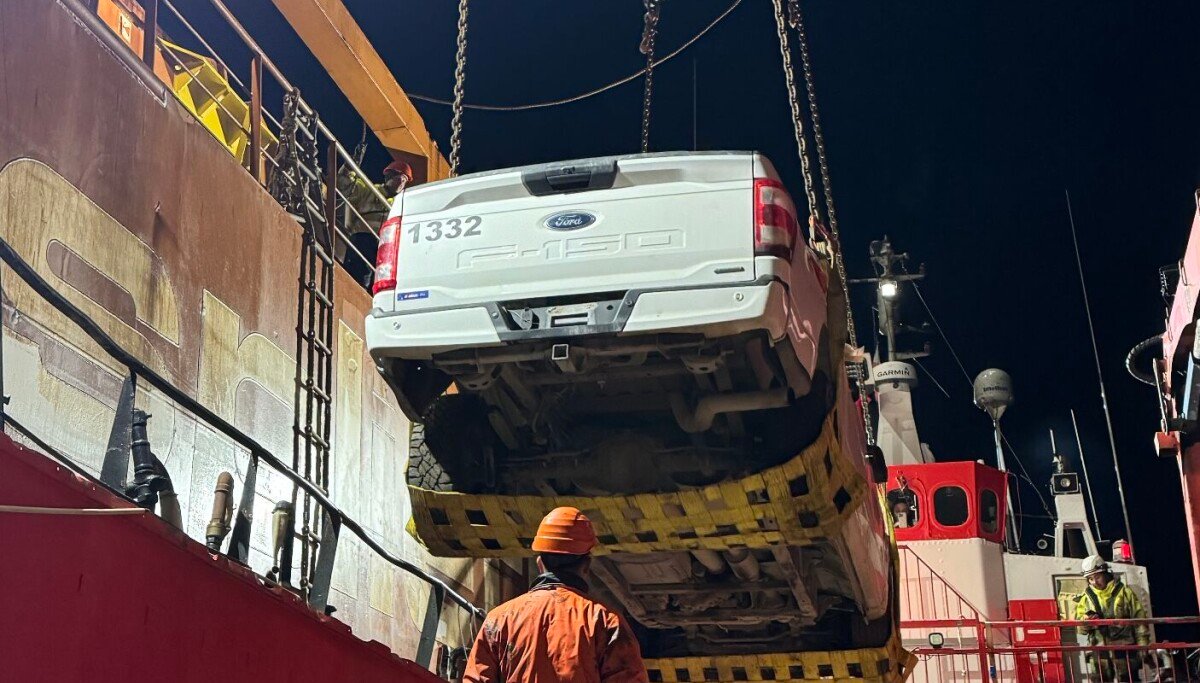
The runway at Qaqortoq was completed in December. Before the Canadian company Pennecon left the city, however, the citizens were given the opportunity to buy some of the company’s American Ford F-150 and Dodge Ram pickup trucks.
The Canadian entrepreneur
Pennecon left Qaqortoq in mid-December after well-executed work with the establishment of the new runway for Greenland Airports.
It took the roughly 100 men, many on rotation, almost 2 1/2 years to blast and establish the 1,500-metre-long runway, which will be officially put into use on April 16, when the entire new airport opens.
Pickup trucks sold to locals
However, Pennecon, which is headquartered in Newfoundland, left behind not only the runway, but also a couple of pickup trucks that locals had been given the opportunity to buy before the company traveled back to Canada with the remaining equipment.
That is why both Ford’s F-150 and Dodge Ram 1500 are now driving around Qaqortoq.
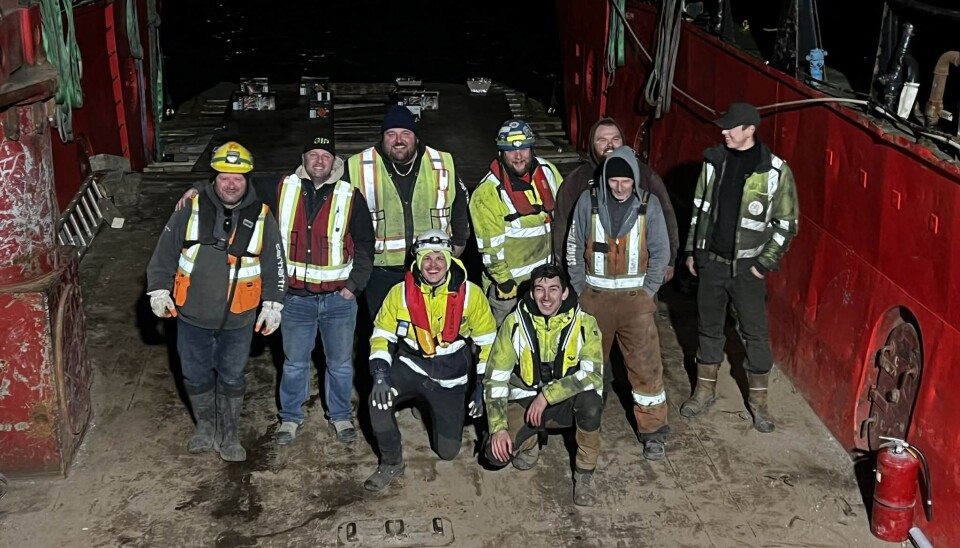
During the entire runway project, Pennecon has worked closely with local subcontractors, including 60 North Greenland, who also helped when the last equipment had to be loaded onto their chartered cargo ship.
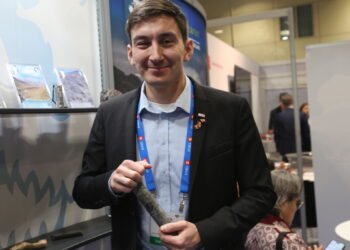
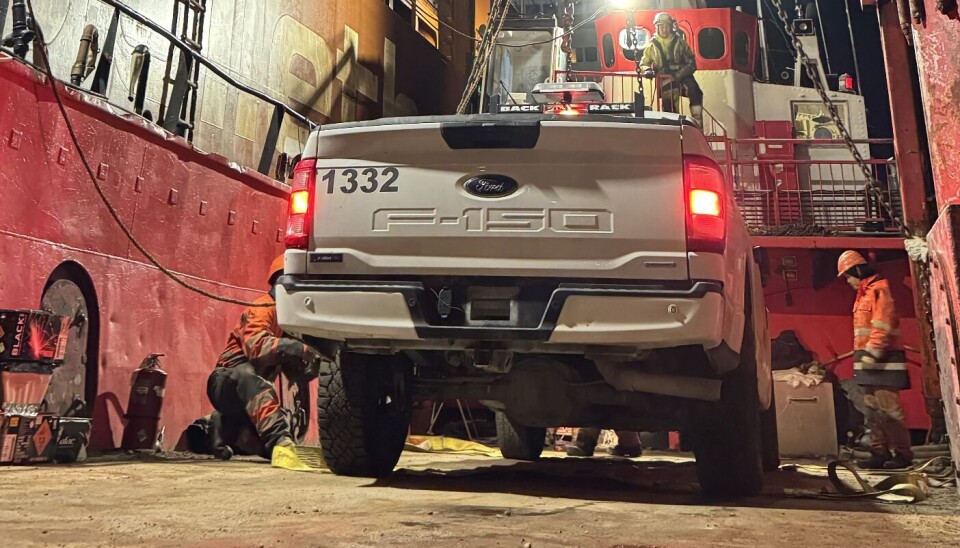
– The ship could not be docked in Qaqortoq harbor as it is too large, so we sailed everything out to them on our landing vessel in collaboration with Arctic Unlimited, which also has a similar vessel, says director of 60 North Greenland Malik Vahl Rasmussen.
– In the course of approximately 30 days, we transported a total of around 270 objects of varying size to the ship. Everything from cars and containers to large excavators were disassembled before we could transport them.
Ship full of equipment
According to Malik Vahl Rasmussen, the cargo ship had to sail between Canada and Qaqortoq in two rounds.
– In the first round, it was asphalt, the company’s machinery, crushing plants, asphalt production facilities, pavers, dozers, excavators, cars and similar construction equipment that were transported out to the ship, after which it sailed to Canada and returned empty. Then they picked up the second load, which was distributed in both the hold and on the deck of the ship.
– We mostly helped them in the end with the shipping and transport of all their equipment. In addition, we have had a lot of transport and logistics throughout the period, including the hiring of personnel and machines, says Malik Vahl Rasmussen.