London/The Tate Modern museum dedicates one of the most important retrospectives in recent years to the Cuban-American artist Ana Mendieta (Havana, 1948–New York, 1985), considered one of the essential figures of contemporary art of the 20th century. The exhibition, the first major exhibition organized in the United Kingdom in more than a decade, brings together many of his most iconic works along with restored films, early paintings, sculptures from his later years and pieces that have never before been exhibited on British soil.
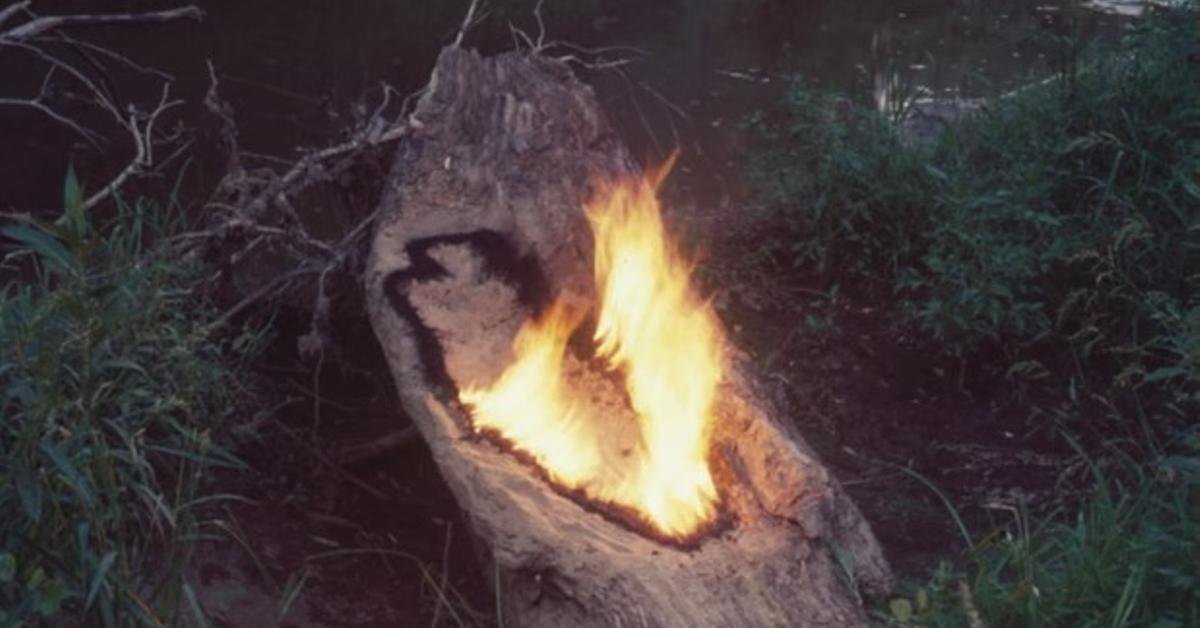
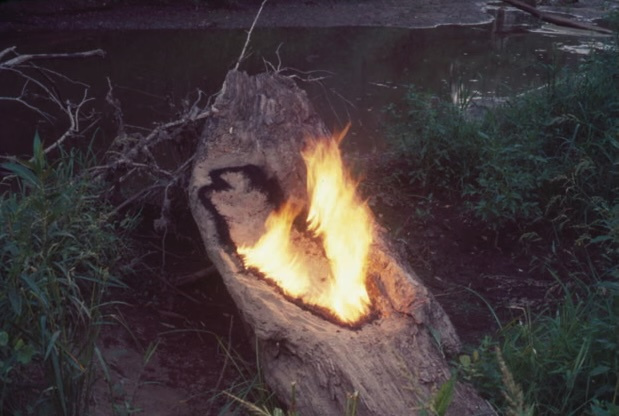
The exhibition traces the evolution of a creator whose work transformed performance, photography, video art, sculpture and land art. Expelled from Cuba in 1961 through Operation Pedro Pan, Mendieta turned exile, identity, the female body, memory and the spiritual relationship with nature into the axes of a deeply innovative artistic production. His famous Silhouettesmade with earth, sand, leaves, fire, water, flowers or gunpowder, they record the imprint of the human body in the landscape and reflect on presence, absence and the sense of belonging.
In addition to the Silhouettesthe tour includes photographs, films, drawings, sculptures and installations that allow us to appreciate the breadth of an artistic practice developed between the 1970s and 1980s. The exhibition pays special attention to her research on ancestral rituals, Afro-Cuban religiosity, pre-Columbian mythologies and the link between human beings and natural elements, aspects that positioned Mendieta as a pioneer of feminist art and contemporary interdisciplinary practices. Part of the exhibition extends outside the museum rooms through interventions inspired by the artist’s close relationship with the natural environment.
Organized by the Tate Modern museum in collaboration with the Estate of Ana Mendieta, the exhibition vindicates the legacy of a creator whose influence continues to grow four decades after her death. Her work, marked by the experience of uprooting and by a constant search for reconciliation between the body and the land, continues to be an essential reference for understanding current debates on identity, gender, migration and ecology in contemporary art.