Mexico City/A Cuban identified as Luis N was shot in the back in the border city of Tapachula, Chiapas, Mexico, last Sunday afternoon. According to the local newspaper South Journala man of Honduran nationality broke into his home and opened fire with a handmade weapon.
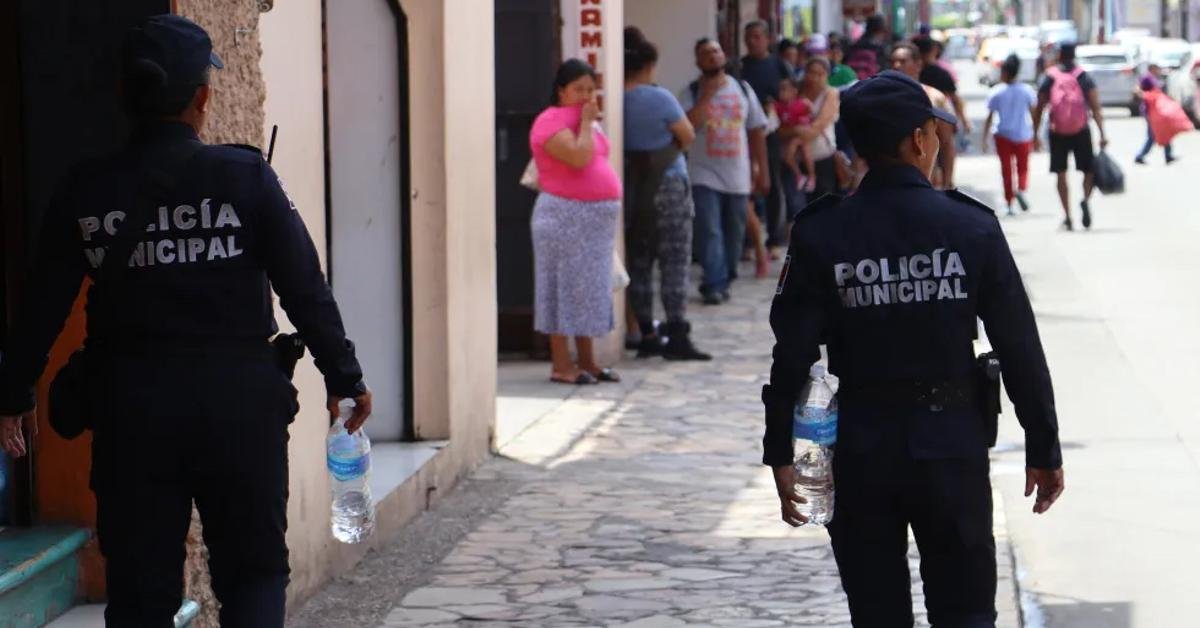
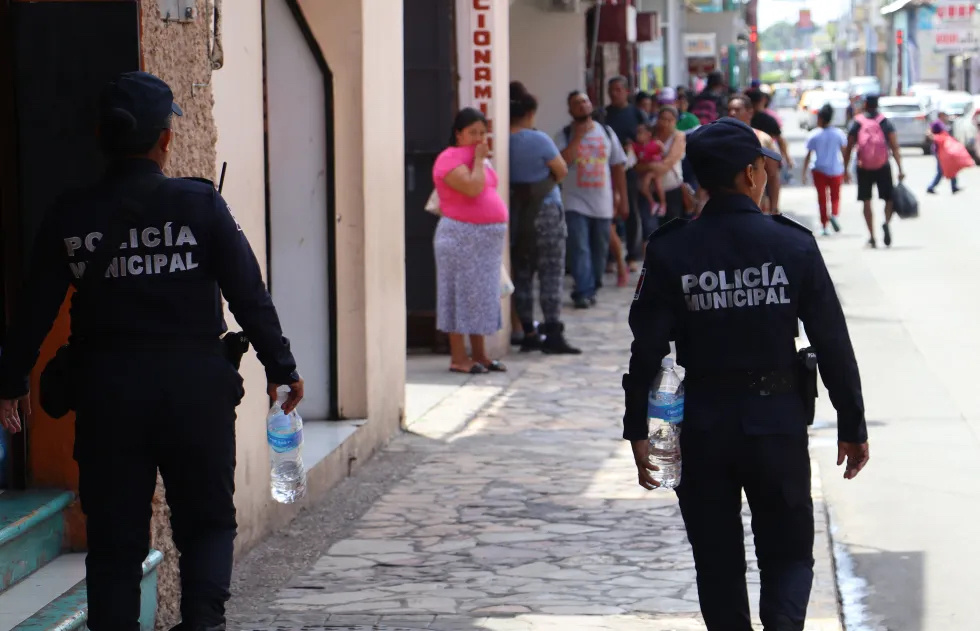
Upon hearing the explosions in the middle of the afternoon, the neighbors called the emergency number 911. Municipal Police officers arrived shortly after and managed to arrest Kensi Michell, 30 years old; Bryan José, 33, and Josué Geovanny, 26, all from Honduras. In addition, several weapons were seized, according to the media.
The paramedics treated the Cuban at the scene and later transferred him to a hospital. His state of health is unknown at this time.
The three detained men were placed at the disposal of the Chiapas Prosecutor’s Office. The authorities accuse them of the crimes of injuries, carrying a firearm and criminal association, in addition to those that may arise in the investigation.
They reported that they will verify the immigration status of the detainees before the National Migration Institute
Likewise, they reported that they will verify the immigration status of the detainees before the National Migration Institute (INM) and confirm if they have a record or judicial requirements in Honduras.
Tapachula has become a second home for thousands of Cubans. In July of last year, a population of 13,779 was estimated, according to figures from the Mexican Government. Of that number, almost half, 5,959, had not regularized their immigration status. Meanwhile, 1,533 Cubans had a Temporary Resident Card, which guaranteed them legal permanence in the country for a limited period and its subsequent renewal, while another 3,915 people on the Island already had permanent residence. In addition, the Migration Policy, Registration and Identity of Persons Unit had issued 2,228 Cards for Humanitarian Reasons to Cubans in vulnerable or at-risk situations, which gave them temporary access to services and legal protection.
In Tapachula, which has become a base for deportations from the United States since Donald Trump’s return to the White House, it is estimated that there is an immigrant population of around 40,000 people, although it fluctuates constantly because, in most cases, it is only a starting point to migrate to other points. However, being the entry point of the southern Mexican border, the small city concentrates 60% of the transcontinental migration that enters Mexico, which has exceeded the institutional and urban capacity to address this phenomenon.
Being the entry point of the southern Mexican border, the city concentrates 60% of the transcontinental migration that enters Mexico
Migrants face long bureaucratic processes to obtain documents that allow them to move legally through Mexico, according to reports from organizations such as Doctors Without Borders (MSF) and Human Rights Watch (HRW).
“They cannot formally work or access basic services, such as shelter and medical care. The lack of infrastructure, employment and services in Tapachula aggravates the situation. The city is not prepared to receive thousands of people on a long-term basis, which generates overcrowding, informality and extreme vulnerability,” says MSF.
According to the latest official census of the National Institute of Statistics and Geography of Mexico (Inegi), there are 25,976 Cuban residents in the country, making it the seventh largest foreign community in that nation. However, the population is not stable, due to those who arrive irregularly or those who are deported from the United States, which, according to HRW figures, reached 4,300, between January 2025 and March 2026, “whom their own Government refuses to welcome back, so they are trapped in a legal limbo.”