Democracies around the world are coming under pressure while authoritarian developments are becoming more important – corresponding changes can also be observed within Europe. Why is that?
Main image
•
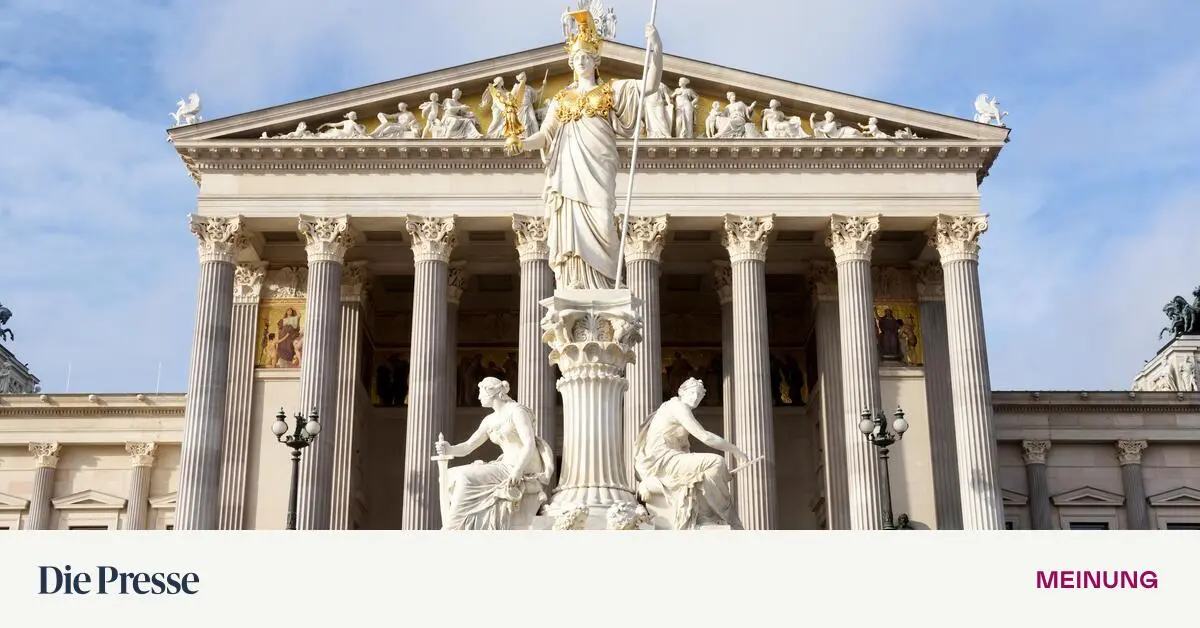
Parliament as a symbol of democratic institutions in a time of global challenges.
•
Clemens Fabry
A look at international studies shows a clear trend: more and more people live in autocratic states, while liberal democracies are losing weight. Observers are already talking about a new wave of autocratization – accompanied by growing pressure on civil liberties and democratic institutions.
In the debate, there is less talk about a single cause than about the interaction of several developments. For example, it is pointed out that many people do not feel adequately represented politically and perceive political decisions as far removed from their everyday lives. Feelings of being overlooked, a lack of opportunities for advancement or a growing distance from politics shape the perception of democratic processes.
Which topic should we take up in “Have your say”?
Suggest a discussion topic for our “Have your say” section. Describe in a few sentences what it is about and why this topic should be discussed. Send your topic suggestion to:
At the same time, the focus is on how democracy itself works: Procedures based on balance, participation and compromise are considered a central strength – but are under increasing pressure of expectation in times of crisis and uncertainty. The question of whether political systems are still experienced as capable of acting and effective is becoming more of a focus.
International studies also point to a broader development. In many countries, political participation is being restricted, constitutional institutions are weakening and power is becoming more concentrated – tendencies that not only affect classic autocracies, but are also visible within democratic systems.
There is also the question of how democracy is perceived: Whether political decisions are understandable, offer orientation and are experienced as relevant in everyday life can influence how strongly people identify with them. This also brings to the fore the question of how democracy is conveyed and what role it plays in everyday life.
These developments are intertwined and are assessed differently – is democracy currently losing its persuasive power?
What do you personally think?
Do you have the impression that your concerns are sufficiently reflected in political decisions, and where do you specifically experience that democratic rules work well – or not? Do you believe that democratic systems can assert themselves against growing autocracies? And should democracy be specifically strengthened in the current world situation – and if so: how and by whom?
Join the discussion! (mo)