Thursday, July 2, 2026
    The GeoStrategic Consensus
    No Result
    View All Result
    • Login
    • HOME
    • AMERICAS
      • Argentina
      • Brazil
      • Canada
      • Chile
      • Colombia
      • Costa Rica
      • Cuba
      • Dominican Republic
      • Ecuador
      • El Salvador
      • Greenland
      • Guatemala
      • Honduras
      • Mexico
      • Nicaragua
      • Panama
      • Paraguay
      • Peru
      • United States
      • Uruguay
      • Venezuela
    • ASIA-PACIFIC
      • Australia
      • Brunei Darussalam
      • Cambodia
      • China
      • Federated States of Micronesia
      • Fiji
      • Indonesia
      • Japan
      • Kiribati
      • Laos
      • Malaysia
      • Marshall Islands
      • Mongolia
      • Myanmar
      • Nauru
      • New Zealand
      • North Korea
      • Palau
      • Papua New Guinea
      • Philippines
      • Samoa
      • Singapore
      • Solomon Islands
      • South Korea
      • Taiwan
      • Thailand
      • Timor-Leste
      • Tonga
      • Tuvalu
      • Vanuatu
      • Vietnam
    • CARICOM
      • CARICOM – Non-English
        • Haiti
        • Suriname
      • CARICOM Associates
        • Anguilla
        • Bermuda
        • British-Virgin-Islands
        • Cayman-Islands
        • Curacao
        • Turks-and-Caicos
      • CARICOM English
        • Antigua and Barbuda
        • Barbados
        • Belize
        • Dominica
        • Grenada
        • Guyana
        • Jamaica
        • Montserrat
        • Saint Kitts and Nevis
        • Saint Lucia
        • Saint Vincent and the Grenadines
        • The Bahamas
        • Trinidad and Tobago
    • EURASIA
      • Armenia
      • Azerbaijan
      • Balarus
      • Georgia
      • Kazakhstan
      • Kyrgyzstan
      • Moldova
      • Russia
      • Tajikistan
      • Turkmenistan
      • Ukraine
      • Uzbekistan
    • EUROPE
      • Albania
      • Andorra
      • Austria
      • Bosnia and Herzegovina
      • Bulgaria
      • Croatia
      • Cyprus
      • Czech Republic
      • Denmark
      • Estonia
      • Finland
      • France
      • Germany
      • Greece
      • Holy See
      • Hungary
      • Iceland
      • Ireland
      • Italy
      • Kosovo
      • Latvia
      • Liechtenstein
      • Lithuania
      • Luxembourg
      • Malta
      • Monaco
      • Montenegro
      • Netherlands
      • North Macedonia
      • Norway
      • Poland
      • Portugal
      • Romania
      • San Marino
      • Serbia
      • Slovakia
      • Slovenia
      • Spain
      • Sweden
      • Switzerland
      • United Kingdom
    • MIDDLE EAST AND NORTH AFRICA
      • Algeria
      • Bahrain
      • Egypt
      • Iran
      • Iraq
      • Israel
      • Jordan
      • Kuwait
      • Lebanon
      • Lybia
      • Morocco
      • Oman
      • Palestinian Territories
      • Qatar
      • Saudi Arabia
      • Syria
      • Tunisia
      • Turkey
      • United Arab Emirates
      • Western Sahara
      • Yemen
    • SOUTH ASIA
      • Afghanistan
      • Bangladesh
      • Bhutan
      • India
      • Maldives
      • Nepal
      • Pakistan
      • Sri Lanka
    • SUB-SAHARAN AFRICA
      • Angola
      • Benin
      • Botswana
      • Burkina Faso
      • Burundi
      • Cabo Verde
      • Cameroon
      • Central African Republic
      • Chad
      • Comoros
      • Cote d’Ivoire
      • Democratic Republic of the Congo
      • Djibouti
      • Equatorial Guinea
      • Eritrea
      • Eswatini
      • Ethiopia
      • Gabon
      • Gambia
      • Ghana
      • Guinea
      • Guinea Bissau
      • Kenya
      • Lesotho
      • Liberia
      • Madagascar
      • Malawi
      • Mali
      • Mauritania
      • Mauritius
      • Mozambique
      • Namibia
      • Niger
      • Nigeria
      • Republic of the Congo
      • Rwanda
      • Sao Tome and Principe
      • Senegal
      • Seychelles
      • Sierra Leone
      • Somalia
      • South Africa
      • South Sudan
      • Sudan
      • Tanzania
      • Togo
      • Uganda
      • Zambia
      • Zimbabwe
    • HOME
    • AMERICAS
      • Argentina
      • Brazil
      • Canada
      • Chile
      • Colombia
      • Costa Rica
      • Cuba
      • Dominican Republic
      • Ecuador
      • El Salvador
      • Greenland
      • Guatemala
      • Honduras
      • Mexico
      • Nicaragua
      • Panama
      • Paraguay
      • Peru
      • United States
      • Uruguay
      • Venezuela
    • ASIA-PACIFIC
      • Australia
      • Brunei Darussalam
      • Cambodia
      • China
      • Federated States of Micronesia
      • Fiji
      • Indonesia
      • Japan
      • Kiribati
      • Laos
      • Malaysia
      • Marshall Islands
      • Mongolia
      • Myanmar
      • Nauru
      • New Zealand
      • North Korea
      • Palau
      • Papua New Guinea
      • Philippines
      • Samoa
      • Singapore
      • Solomon Islands
      • South Korea
      • Taiwan
      • Thailand
      • Timor-Leste
      • Tonga
      • Tuvalu
      • Vanuatu
      • Vietnam
    • CARICOM
      • CARICOM – Non-English
        • Haiti
        • Suriname
      • CARICOM Associates
        • Anguilla
        • Bermuda
        • British-Virgin-Islands
        • Cayman-Islands
        • Curacao
        • Turks-and-Caicos
      • CARICOM English
        • Antigua and Barbuda
        • Barbados
        • Belize
        • Dominica
        • Grenada
        • Guyana
        • Jamaica
        • Montserrat
        • Saint Kitts and Nevis
        • Saint Lucia
        • Saint Vincent and the Grenadines
        • The Bahamas
        • Trinidad and Tobago
    • EURASIA
      • Armenia
      • Azerbaijan
      • Balarus
      • Georgia
      • Kazakhstan
      • Kyrgyzstan
      • Moldova
      • Russia
      • Tajikistan
      • Turkmenistan
      • Ukraine
      • Uzbekistan
    • EUROPE
      • Albania
      • Andorra
      • Austria
      • Bosnia and Herzegovina
      • Bulgaria
      • Croatia
      • Cyprus
      • Czech Republic
      • Denmark
      • Estonia
      • Finland
      • France
      • Germany
      • Greece
      • Holy See
      • Hungary
      • Iceland
      • Ireland
      • Italy
      • Kosovo
      • Latvia
      • Liechtenstein
      • Lithuania
      • Luxembourg
      • Malta
      • Monaco
      • Montenegro
      • Netherlands
      • North Macedonia
      • Norway
      • Poland
      • Portugal
      • Romania
      • San Marino
      • Serbia
      • Slovakia
      • Slovenia
      • Spain
      • Sweden
      • Switzerland
      • United Kingdom
    • MIDDLE EAST AND NORTH AFRICA
      • Algeria
      • Bahrain
      • Egypt
      • Iran
      • Iraq
      • Israel
      • Jordan
      • Kuwait
      • Lebanon
      • Lybia
      • Morocco
      • Oman
      • Palestinian Territories
      • Qatar
      • Saudi Arabia
      • Syria
      • Tunisia
      • Turkey
      • United Arab Emirates
      • Western Sahara
      • Yemen
    • SOUTH ASIA
      • Afghanistan
      • Bangladesh
      • Bhutan
      • India
      • Maldives
      • Nepal
      • Pakistan
      • Sri Lanka
    • SUB-SAHARAN AFRICA
      • Angola
      • Benin
      • Botswana
      • Burkina Faso
      • Burundi
      • Cabo Verde
      • Cameroon
      • Central African Republic
      • Chad
      • Comoros
      • Cote d’Ivoire
      • Democratic Republic of the Congo
      • Djibouti
      • Equatorial Guinea
      • Eritrea
      • Eswatini
      • Ethiopia
      • Gabon
      • Gambia
      • Ghana
      • Guinea
      • Guinea Bissau
      • Kenya
      • Lesotho
      • Liberia
      • Madagascar
      • Malawi
      • Mali
      • Mauritania
      • Mauritius
      • Mozambique
      • Namibia
      • Niger
      • Nigeria
      • Republic of the Congo
      • Rwanda
      • Sao Tome and Principe
      • Senegal
      • Seychelles
      • Sierra Leone
      • Somalia
      • South Africa
      • South Sudan
      • Sudan
      • Tanzania
      • Togo
      • Uganda
      • Zambia
      • Zimbabwe
    No Result
    View All Result
    Agentially
    No Result
    View All Result
    Home MIDDLE EAST and NORTH AFRICA Iraq

    Azzaman daily newspaper Azzaman newspaper – independent international daily Arabic | Azzaman International daily newspaper Reflections on knowledge, identity, and the future of the Middle East

    The Analyst by The Analyst
    July 2, 2026
    in Iraq
    Azzaman daily newspaper Azzaman newspaper – independent international daily Arabic | Azzaman International daily newspaper Reflections on knowledge, identity, and the future of the Middle East


    Academic research in a time of uncertainty and war: Reflections on knowledge, identity, and the future of the Middle East

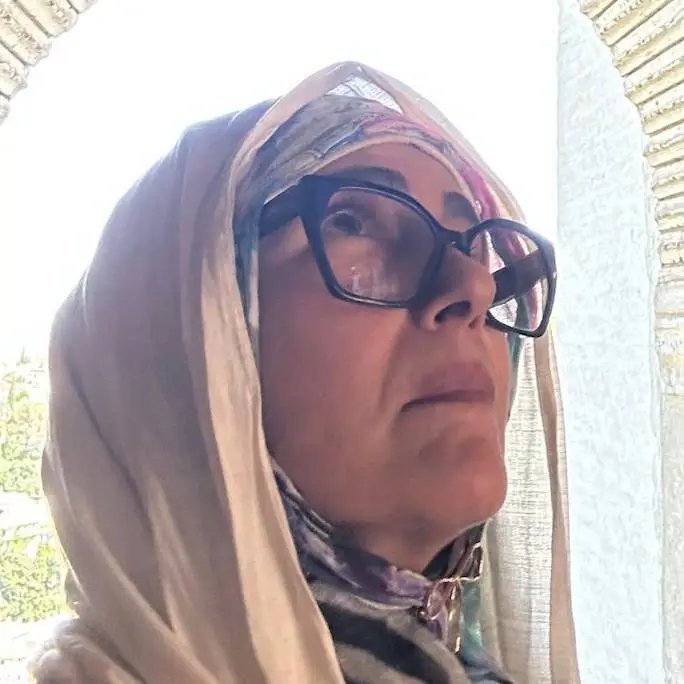
    Written by: Amal Al-Jubouri

    READ ALSO

    Azzaman daily newspaper Azzaman newspaper – an independent international daily Arabic newspaper

    Azzaman daily newspaper Azzaman newspaper – an independent international daily Arabic newspaper

    London

    Recently, I was surprised to be invited to participate as a speaker in a scientific symposium organized by the Global Prosperity Institute in partnership at the University of London with one of the Lebanese institutions, in which an elite group of male and female scholars, male and female researchers specializing in Middle Eastern affairs, from prestigious universities and research centres, including the University of Exeter, the University of London, King’s College in London, and other academic institutions, participated.

    The first session was devoted to discussing research methodologies in conflict zones and unstable security, political, and social environments, which are the environments in which the researcher works amid challenges that go beyond the limits of academic knowledge to the complexities of political, social, and humanitarian reality.

    In this context, I presented my paper entitled:

    “Fieldwork and Suspicion”

    Which was based on my research experience during the doctoral stage and beyond in studying Iraqi Jews, memory, citizenship, and identity.

    When the search turns into doubt

    I explained in my intervention that choosing a topic related to Iraqi Jews in the contemporary Arab context is not always viewed as a purely academic project, but rather often carries political and ideological connotations that have nothing to do with scientific research.

    In our region, confusion still exists between Judaism as a religion, the Jews as a historical and cultural group, and between Zionism and the State of Israel. Therefore, the researcher finds himself subject to frequent questions and doubts:

    Why study this topic?

    Who will fund this research?

    Who will read its results?

    Does it fall within what is called normalization?

    Thus, in the eyes of some, the research project turns from a cognitive project into a political project, and the researcher becomes required to defend the legitimacy of his topic before he begins defending its results.

    Hence, building trust represented the backbone of my research methodology, whether with the remaining members of the Jewish community in Iraq, or with the members of the Iraqi Jewish communities in the diaspora, or with the officials and social actors who helped facilitate access to some sources and testimonies.

    I also indicated throughout the paper that I rejected a generous funding offer to support the study, based on my conviction that the independence of the researcher is part of the integrity of the research itself. I chose to work as an independent researcher and writer, because I do not want it to be said that years of research and field work were completed out of funding or in response to a preconceived agenda.

    From “minorities” to “diversity”

    During the discussion, I stopped at an issue that I consider important at the conceptual level.

    I explained to the audience that I do not tend to use the term “minorities,” despite its prevalence in contemporary political and academic literature.

    This concept was born in a different Western historical and political context, and often carries an implicit connotation that refers to marginality, weakness, or the need for protection.

    As for our societies, I prefer to talk about “diversity” rather than “minorities.”

    Diversity expresses a historical fact that the region has experienced for many centuries, where multiple religious, sectarian, ethnic and cultural groups coexisted within one civilized space, and all of them contributed to building the region’s culture, economy, thought and heritage.

    From this standpoint, the study of Iraqi Jews is not a study of a “minority,” but rather a study of an authentic component of Iraq’s modern history, and a window to understanding Iraqi society itself and its profound transformations.

    Was coexistence the norm?

    The paper raised many questions and discussions.

    One of the most influential was a question posed by a young Syrian man who said:

    “When we talk about what the Jews of Iraq were subjected to in the past, are we not witnessing similar, and perhaps more cruel, fates facing other groups in the region today? How can violence toward others be stopped?”

    I answered him with another question:

    Before the Sykes-Picot Agreement and before the emergence of the modern national state in its current form, did not these different religious, sectarian and ethnic groups live and coexist within one social space?

    Wasn’t coexistence the natural thing in most historical periods, despite the presence of sporadic conflicts that were often related to power, resources, or political competition?

    Didn’t the modern borders drawn by colonial powers lead to the reshaping of identities within new political frameworks that often turned diversity into a source of tension and conflict?

    The question seemed to prompt him into deep contemplation.

    A conversation with a Druze young man from Syria

    After the session ended, this young man approached me and introduced himself as a member of the Druze sect in Syria.

    He said that he was influenced by what I presented in the paper, and then he started talking to me about the fears that many members of his community are experiencing today.

    He said that some Druze students no longer feel completely safe in their universities, and that they are sometimes subjected to threats or to having their national affiliation questioned, or to ready accusations of treason or loyalty to Israel.

    He added:

    “Although I was one of the first participants in the Syrian revolution against the former regime, and although many Druze youth rejected from the beginning any calls for subordination or secession, we are still subjected to the same accusations.”

    Then he said:

    “My comrades and I stood against all calls for Israel to intervene to protect us. But today we feel that our existence and identity are threatened. How do we confront this situation?”

    My answer was clear and honest.

    I told him that violence is not a solution.

    I also told him that seeking the help of any external party, regardless of the justifications, is not the way to build a secure future.

    Historical experiences have proven that external powers do not move out of protection for people as much as they move according to their own interests.

    I warned him against repeating the Iraqi prescription based on sectarian and ethnic quotas.

    After more than two decades of implementing this model, the Iraqis have not won, neither the Shiite Arabs, nor the Sunni Arabs, nor the Kurds.

    What actually benefited were the political elites who shared power, wealth and influence, while society as a whole paid the price.

    I told him that the solution lies in wisdom, dialogue, and giving priority to the national interest, not in deepening divisions or looking for protectors from abroad.

    I also referred him to some studies and historical documents that dealt with projects to divide the Arab Levant and incite sectarian and ethnic divisions with the aim of weakening societies and states and turning their diversity into a tool for ongoing conflict.

    Flexibility of methodology in conflict areas

    One of the points that I stressed during the symposium was the need for Western academic institutions to reconsider some of the strict standards that govern field work in conflict areas.

    The Middle East is not a stable laboratory in which the same research design can be applied from beginning to end without modification.

    A war may break out, a political crisis may occur, or security conditions may change within days or weeks, which forces the researcher to reconsider his tools, questions, and methodology.

    This is why I called for granting researchers more methodological flexibility that allows them to adapt to the changing reality without feeling that they are violating the rules of the academic institution.

    Has research turned into a finance industry?

    I also raised another issue that I consider to be one of the most serious issues facing knowledge today.

    In our contemporary world, academic research has often become linked to the logic of funding and grants more than to the logic of cognitive discovery.

    We live in a time when universities and research centers produce hundreds of thousands of scientific papers, books, and studies annually.

    But the real question is not how much do we produce?

    But what do we produce?

    How many of these works actually provide new knowledge?

    How many of them open a new horizon of understanding?

    How many of them add real discovery to human knowledge?

    Excessive production does not necessarily mean depth of knowledge.

    Stop loss…and stop gain

    The interviewer asked me whether the researcher’s cessation of field work due to war or security risks represents a loss.

    I answered that the matter has two contradictory aspects.

    The downside is clear.

    Stopping research may lead to missing opportunities to discover new documents, rare testimonies, or stories that have not been told before.

    It may delay access to knowledge that could contribute to rewriting some pages of history.

    In this context, I recalled my experience in researching the shrine of Sheikh Ishaq, the Jewish shrines, and the endowments of the Jewish community in Iraq, and the obstacles and difficulties I faced in accessing some relevant documents and sites.

    But there is a positive side too.

    Obstacles may push the researcher to search for new ways to access knowledge, whether through cooperation with local researchers or the use of academic intermediaries or officials capable of facilitating access to documents and reducing bureaucracy.

    Sometimes obstacles lead us to discover ways that we would not have thought of under normal circumstances.

    The researcher is not a data collector

    She also emphasized that the researcher should not become a mere data collector.

    Data alone does not produce knowledge.

    A true researcher is one who reads, analyzes, and links facts, testimonies, and documents to provide a new understanding, complete an incomplete story, or reveal an unknown aspect of history.

    His task is not to accumulate information, but to transform it into meaningful knowledge.

    Therefore, the critical researcher does not just describe the world, but rather helps us understand it more deeply, and gives new generations better tools to think about the future.

    When sources of knowledge are absent

    Also among the important interventions was what was presented by a researcher specializing in Middle Eastern affairs, when he talked about the difficulties he faces in updating his research works after he lost a number of figures who represented primary sources for his books and studies due to the wars and assassinations that the region witnessed.

    His question was painful:

    How can the researcher update his knowledge database when the witnesses of the stage themselves are absent?

    It is a question that summarizes the fragility of knowledge in conflict areas, where not only facts disappear, but also those who lived and witnessed them.

    Reading wars as one context

    As for the researcher, Dr. Fatima from the University of London, she presented an important paper in which she warned against looking at the current war on Iran as a separate event from the broader historical context of the wars that the region has witnessed.

    She emphasized that understanding what is happening today requires looking at it within a connected framework that begins with the war in Afghanistan, and passes through the invasion of Iraq in 2003, all the way to the transformations and conflicts that the Middle East has witnessed during recent decades.

    She also pointed out the importance of understanding the relationship between wars and the production of knowledge, and the cultural and cognitive losses that resulted from the destruction of heritage and the plundering that affected Iraqi cultural institutions after the American invasion.

    It struck me that during her intervention, she cited what I presented in my paper about the experience of documenting Iraqi heritage and the looting and destruction it was subjected to, as an example of the close relationship between war and the loss of cultural memory.

    Knowledge, confidence and the future

    In the closing session, Professor Dame Henrietta Moore, the well-known British anthropologist, gave a remarkable intervention in which she emphasized that contemplation and critical thinking constitute the spirit of scientific theorizing, and that the value of theories does not lie in their repetition, but rather in their ability to explain reality and produce new questions.

    It also called for continuing networking among researchers and not allowing the experiences and expertise that were presented during the symposium to expire with the end of the conference.

    She stressed the importance of building networks of trust and knowledge cooperation that help produce deeper knowledge that is more connected to reality, and contribute to building a less violent and more prosperous future.

    I was pleased that she offered me an independent academic lecture at the university during the coming period to continue the discussion on the issues raised by the paper.

    Truth and passion

    I emerged from that symposium more convinced that the most dangerous thing threatening our region is not diversity, but rather the fear of diversity.

    Not difference, but rather transforming difference into a political project for conflict.

    The history that led me to study the Jews of Iraq was not only the history of a specific group, but rather the history of Iraq itself, and the history of the entire East.

    The more I delved into this history, the more I became certain that the future of the region will not be built by force, nor by external support, nor by quotas, but rather by rediscovering the values ​​that allowed its different peoples to live together for long centuries before identities turned into opposing trenches.

    The mission of the researcher is to continue searching for the truth, no matter how complex or painful it is, and to have passion and moral commitment towards it.

    The truth is not easy, and accepting it is much more difficult than believing ready-made and comfortable narratives.

    Perhaps the most important thing I have learned from the long years of research is that the truth is too big to be possessed by one individual, one group, or one ideology.

    Therefore, scientific research remains, in its essence, an open journey towards understanding.


    Source link

    Related Posts

    Azzaman daily newspaper Azzaman newspaper – an independent international daily Arabic newspaper
    Iraq

    Azzaman daily newspaper Azzaman newspaper – an independent international daily Arabic newspaper

    July 2, 2026
    Azzaman daily newspaper Azzaman newspaper – an independent international daily Arabic newspaper
    Iraq

    Azzaman daily newspaper Azzaman newspaper – an independent international daily Arabic newspaper

    July 2, 2026
    Next Post
    The most popular farewell

    The most popular farewell

    POPULAR NEWS

    (LEAD) OECD warns of rising shock exposure from S. Korea’s dependence on chip exports

    (LEAD) OECD warns of rising shock exposure from S. Korea’s dependence on chip exports

    July 2, 2026
    President Simina Meets with Kosrae Governor on KAMORALE Expo 2026 Preparations and State Development Priorities – FSM Government

    President Simina Meets with Kosrae Governor on KAMORALE Expo 2026 Preparations and State Development Priorities – FSM Government

    July 2, 2026
    Mitigation of punishment and new challenges. Belarus’ Supreme Court on trends in criminal law policy

    Mitigation of punishment and new challenges. Belarus’ Supreme Court on trends in criminal law policy

    July 2, 2026
    The Constitutional Court will consider the Ministry of Justice’s request for elections in Gagauzia in July

    The Constitutional Court will consider the Ministry of Justice’s request for elections in Gagauzia in July

    July 2, 2026
    The cost of marking international calls was estimated at 3 billion rubles

    The cost of marking international calls was estimated at 3 billion rubles

    July 2, 2026

    EDITOR'S PICK

    Members of the Sahrawi National Council affirm their full commitment to carrying out their national responsibilities with all seriousness

    Members of the Sahrawi National Council affirm their full commitment to carrying out their national responsibilities with all seriousness

    July 2, 2026
    Dubai Catholic churches resume 100% operations after temporary restrictions

    Dubai Catholic churches resume 100% operations after temporary restrictions

    July 2, 2026
    “No more Kolkasraga.” The sea has begun to “eat” the tourist favorite

    “No more Kolkasraga.” The sea has begun to “eat” the tourist favorite

    July 2, 2026
    Lrytas – knowledge that shines. We’ve upgraded to shine even brighter

    Lrytas – knowledge that shines. We’ve upgraded to shine even brighter

    July 2, 2026

    Recent Posts

    • U.S. missile moves in Japan send China clear message: A new era has arrived
    • First Two Students Graduate from Mongolian Khoomei Diploma-Granting Course in France 6 days
    • (LEAD) Seoul shares plunge nearly 8 pct on tech sell-off amid renewed AI concerns
    • Cooler late June, delayed monsoon: Is Korea’s summer just warming up?

      © 2026 Agentially - Navigating shifting sovereignties and global risk .

      Welcome Back!

      Login to your account below

      Forgotten Password?

      Retrieve your password

      Please enter your username or email address to reset your password.

      Log In
      No Result
      View All Result
      • HOME
      • AMERICAS
        • Argentina
        • Brazil
        • Canada
        • Chile
        • Colombia
        • Costa Rica
        • Cuba
        • Dominican Republic
        • Ecuador
        • El Salvador
        • Greenland
        • Guatemala
        • Honduras
        • Mexico
        • Nicaragua
        • Panama
        • Paraguay
        • Peru
        • United States
        • Uruguay
        • Venezuela
      • ASIA-PACIFIC
        • Australia
        • Brunei Darussalam
        • Cambodia
        • China
        • Federated States of Micronesia
        • Fiji
        • Indonesia
        • Japan
        • Kiribati
        • Laos
        • Malaysia
        • Marshall Islands
        • Mongolia
        • Myanmar
        • Nauru
        • New Zealand
        • North Korea
        • Palau
        • Papua New Guinea
        • Philippines
        • Samoa
        • Singapore
        • Solomon Islands
        • South Korea
        • Taiwan
        • Thailand
        • Timor-Leste
        • Tonga
        • Tuvalu
        • Vanuatu
        • Vietnam
      • CARICOM
        • CARICOM – Non-English
          • Haiti
          • Suriname
        • CARICOM Associates
          • Anguilla
          • Bermuda
          • British-Virgin-Islands
          • Cayman-Islands
          • Curacao
          • Turks-and-Caicos
        • CARICOM English
          • Antigua and Barbuda
          • Barbados
          • Belize
          • Dominica
          • Grenada
          • Guyana
          • Jamaica
          • Montserrat
          • Saint Kitts and Nevis
          • Saint Lucia
          • Saint Vincent and the Grenadines
          • The Bahamas
          • Trinidad and Tobago
      • EURASIA
        • Armenia
        • Azerbaijan
        • Balarus
        • Georgia
        • Kazakhstan
        • Kyrgyzstan
        • Moldova
        • Russia
        • Tajikistan
        • Turkmenistan
        • Ukraine
        • Uzbekistan
      • EUROPE
        • Albania
        • Andorra
        • Austria
        • Bosnia and Herzegovina
        • Bulgaria
        • Croatia
        • Cyprus
        • Czech Republic
        • Denmark
        • Estonia
        • Finland
        • France
        • Germany
        • Greece
        • Holy See
        • Hungary
        • Iceland
        • Ireland
        • Italy
        • Kosovo
        • Latvia
        • Liechtenstein
        • Lithuania
        • Luxembourg
        • Malta
        • Monaco
        • Montenegro
        • Netherlands
        • North Macedonia
        • Norway
        • Poland
        • Portugal
        • Romania
        • San Marino
        • Serbia
        • Slovakia
        • Slovenia
        • Spain
        • Sweden
        • Switzerland
        • United Kingdom
      • MIDDLE EAST AND NORTH AFRICA
        • Algeria
        • Bahrain
        • Egypt
        • Iran
        • Iraq
        • Israel
        • Jordan
        • Kuwait
        • Lebanon
        • Lybia
        • Morocco
        • Oman
        • Palestinian Territories
        • Qatar
        • Saudi Arabia
        • Syria
        • Tunisia
        • Turkey
        • United Arab Emirates
        • Western Sahara
        • Yemen
      • SOUTH ASIA
        • Afghanistan
        • Bangladesh
        • Bhutan
        • India
        • Maldives
        • Nepal
        • Pakistan
        • Sri Lanka
      • SUB-SAHARAN AFRICA
        • Angola
        • Benin
        • Botswana
        • Burkina Faso
        • Burundi
        • Cabo Verde
        • Cameroon
        • Central African Republic
        • Chad
        • Comoros
        • Cote d’Ivoire
        • Democratic Republic of the Congo
        • Djibouti
        • Equatorial Guinea
        • Eritrea
        • Eswatini
        • Ethiopia
        • Gabon
        • Gambia
        • Ghana
        • Guinea
        • Guinea Bissau
        • Kenya
        • Lesotho
        • Liberia
        • Madagascar
        • Malawi
        • Mali
        • Mauritania
        • Mauritius
        • Mozambique
        • Namibia
        • Niger
        • Nigeria
        • Republic of the Congo
        • Rwanda
        • Sao Tome and Principe
        • Senegal
        • Seychelles
        • Sierra Leone
        • Somalia
        • South Africa
        • South Sudan
        • Sudan
        • Tanzania
        • Togo
        • Uganda
        • Zambia
        • Zimbabwe

      © 2026 Agentially - Navigating shifting sovereignties and global risk .

      This website uses cookies. By continuing to use this website you are giving consent to cookies being used. Visit our Privacy and Cookie Policy.