Restrictions on the movement of diesel cars are becoming more common in Europe, as states try to meet European Union standards for air quality and reducing pollutant emissions. In many cities, access to older vehicles is already limited, and other administrations are preparing similar measures.
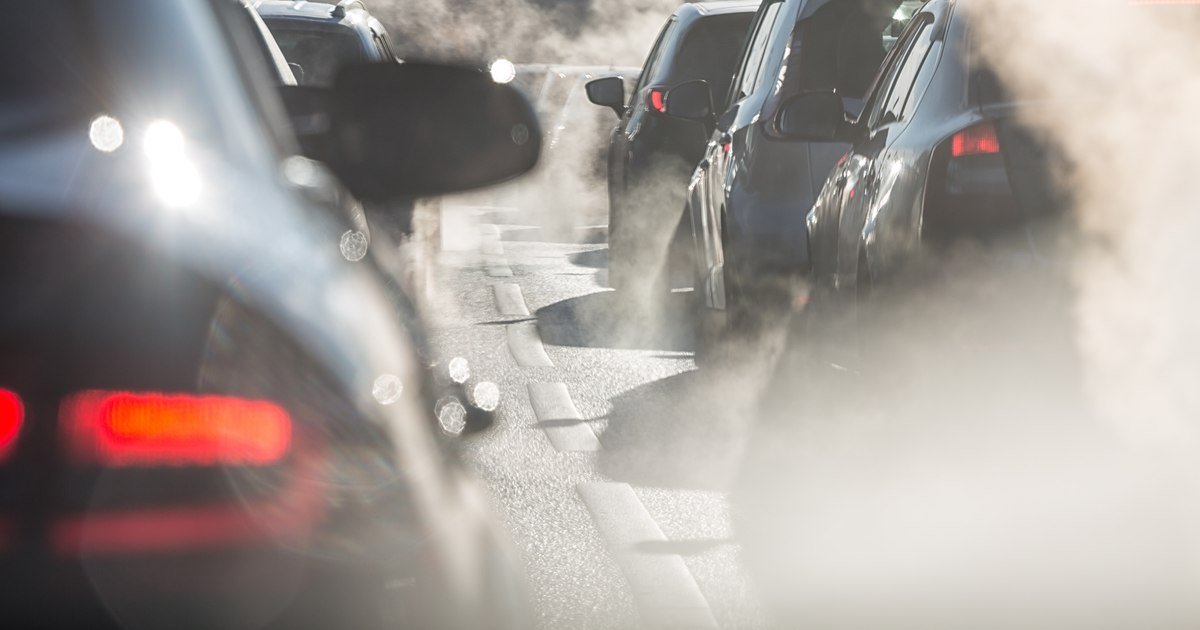
Diesel bans are multiplying in Europe. Photo by Shutterstock
In this context, the Italian region Piedmont proposes a different approach. Instead of introducing the planned ban on Euro 5 diesel vehicles, the regional authorities have decided to give financial incentives to drivers who use a renewable biofuel and invest in projects aimed at reducing pollution.
Diesel restrictions are becoming the new normal in Europe
In the last decade, many European cities have introduced Low Emission Zones (LEZ), where vehicle access is conditioned by the pollution norm.
Germany was among the first states to apply such measures, and cities such as Stuttgart or Darmstadt have restricted the access of certain categories of diesel cars to reduce the level of nitrogen dioxide in the air.
France uses the Crit’Air system, whereby vehicles are classified according to the level of emissions, and local authorities can restrict the access of the most polluting cars to certain areas or during periods of high pollution.
In London, drivers of vehicles that do not comply with the Euro 6 standard must pay a daily fee to drive in the Ultra Low Emission Zone (ULEZ), a measure that has significantly reduced the number of polluting cars on the road.
Belgium and the Netherlands have also introduced low-emission zones in major cities and are gradually tightening access conditions for older diesel vehicles.
In Italy, the strictest measures are being discussed in the regions of the Po Valley, one of the most polluted areas in Europe, where the authorities must reduce emissions to comply with their obligations to the European Union.
Piedmont abandons the ban and relies on incentives
In Piedmont, the ban on Euro 5 diesel cars was due to come into effect in autumn 2026 and would have affected more than 307,000 vehicles, according to Corriere della Sera.
Instead, the regional administration adopted a plan worth around 80 million euros, which combines incentives for the use of renewable fuels with investments in urban mobility and infrastructure.
The central element of the program is an annual bonus between 50 and 100 euros given to owners of diesel vehicles that fuel with HVO (Hydrotreated Vegetable Oil), a renewable fuel produced from vegetable oils, used cooking oil and other residual raw materials.
How polluting is biofuel production
Unlike conventional biodiesel, HVO has characteristics very close to those of classic diesel and can be used in many modern diesel engines without modifications, if they are approved for the European standard EN 15940.
The regional authorities allocated 14 million euros to finance the bonus and concluded agreements with fuel distributors to expand the HVO supply network.
Investments in public transport and smart traffic
The plan is not limited to granting fuel bonuses.
Another 44 million euros will be invested in the development of public transport, car-sharing services, bicycle infrastructure and other urban mobility projects.
At the same time, 11.5 million euros are intended for the implementation of systems based on artificial intelligence for traffic management in the Turin metropolitan area. They will monitor traffic flows and adapt speed limits depending on traffic conditions and pollution levels.
The program also includes investments in agriculture to reduce ammonia emissions and funds to modernize heating systems.
A change of strategy
Piedmont’s decision reflects a change in approach in environmental policies. If in recent years the focus has been on restricting the access of vehicles considered polluting, the Italian authorities are now trying to reduce emissions by stimulating the use of alternative fuels and investing in infrastructure.
The region’s leadership claims that simulations carried out together with research institutes and universities show that the package of measures can produce effects comparable to the ban on reducing concentrations of nitrogen dioxide and suspended particles.
However, the strategy remains controversial. Its supporters believe it avoids significant costs for hundreds of thousands of car owners and businesses at a time when new vehicle prices are still high. Critics argue, instead, that voluntary measures risk slowing down the transition to a low-emission car fleet.
The debate over the future of diesel cars is far from over. On the one hand, European states are obliged to comply with increasingly strict standards regarding air quality and to reduce transport emissions. On the other hand, millions of drivers and thousands of companies still depend on diesel vehicles, too their quick replacement involves considerable costs.