Tuesday, June 23, 2026, 10:00 p.m
10327 readings

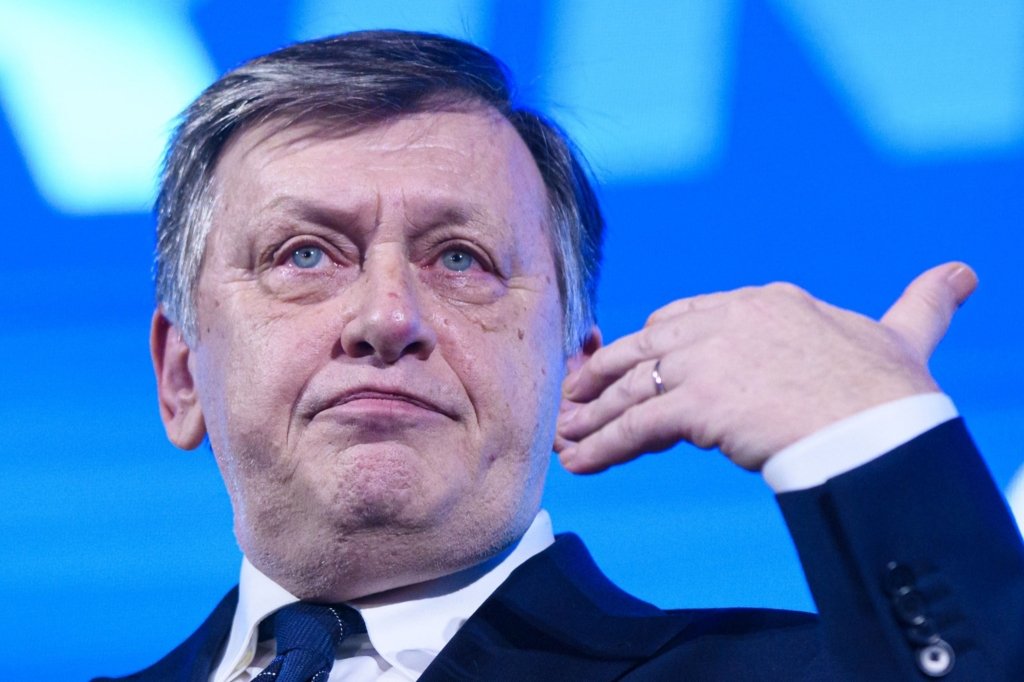
Crin Antonescu PHOTO Hepta
The former Liberal leader Crin Antonescu analyzed the behavior of the AUR party and his on Tuesday, June 23 George Simion in the context of the negotiations for the Vestea Cabinet. He believes that the sovereignist formation missed a huge strategic opportunity due to major hesitations and disastrous communication in the final phase of the talks in Parliament.
The rise of GOLD in the first part of the day
In the first part of the day dedicated to negotiations, the camp led by George Simion managed to impose its conditions and force the big parties to recognize their electoral weight. This firm positioning gave the formation an extremely important strategic advantage, being perceived as a way out of the political isolation in which it had been placed.
Antonescu explained, at thoughtthe extent of the initial success achieved by GOLD before the end-of-day crash:
“What I observed, AUR had an extraordinary growth point yesterday, up to a certain time, on the same day. Culminating with Simion’s first press conference, the one where he asked Vestea to come. He climbed tremendously and was on the verge of making a political gain, as I see it, very big, enormous.
In the end, however, I part ways with most of the commenters and most of the likes. And I think George Simion and AUR lost yesterday, where they had won a lot. And they lost, not because they didn’t vote for the Vestea Government. Of course, there is a discussion here whether it was in their political interest to vote for him or not, but I will not formulate their political interest, they formulate it themselves.”
The five o’clock rush and recognition of political status
The strength accumulated in those hours by the AUR parliamentarians was precisely based on the legitimate demand to be treated as equal dialogue partners by the other political forces. The message conveyed by George Simion at the time was one intended to break down the negative labels used by traditional opponents.
The former president of PNL recalls the speech by which the leader of the AUR excellently scored the balance of forces at noon:
“The point is that, in my opinion, where he got to around noon, like in the afternoon, around five o’clock, at a peak… As I said, at which time Simion behaved extraordinary. That is, he said you pushed us aside, you considered us pariahs, you considered us unfrequentable, you considered us extremists… Now the time has come to admit that this is not the case. Admit that we have the right to a dialogue and a status on the political stage to which the votes entitle us.”
The final stutters and suspicion of phone orders
The collapse of this political construct came not from the final decision on the vote, but from the gross inability of AUR leaders to logically and transparently communicate next steps. The sudden changes of opinion and behavior in the plenary left the audience with the impression that decisions were made under the influence of last-minute phone calls.
At the end of his comment, Antonescu associates AUR’s image failure with the dubious atmosphere created around the voting decision.
“The fact that you can’t cite anything extremist from what I did on the political stage and so on… In the end, however, not the decision not to vote, but the way it was not explained, the mysterious air… My feeling was, and I think that of many people, that, simply, from one minute to the next, George Simion changed his decision. He was talking on the phone and then you wonder with whom… I can believe anything”, concluded Crin Antonescu.