Tuesday, June 23, 2026, 10:42 p.m
3342 readings

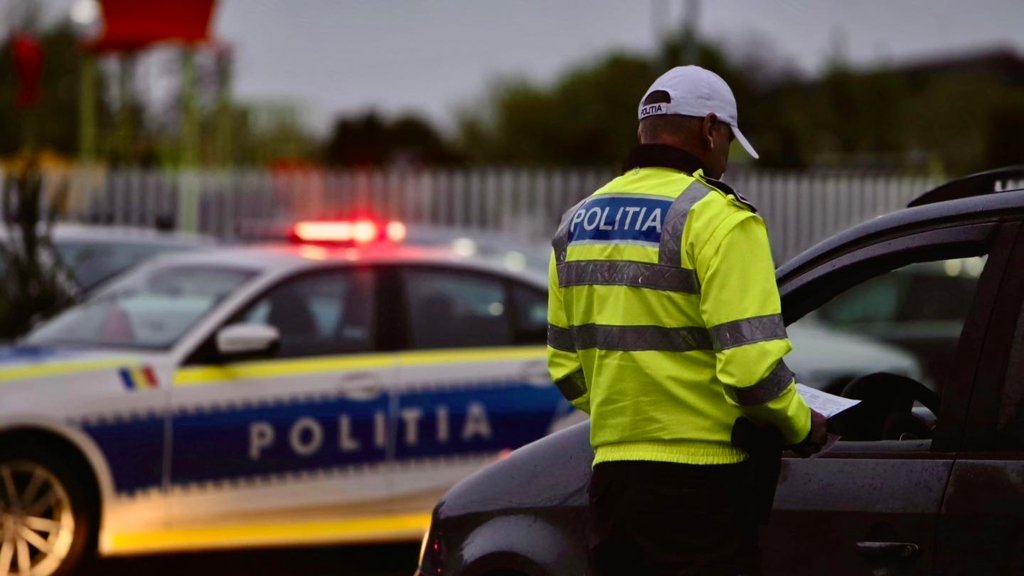
Police car, policeman, fine PHOTO Facebook/ Romanian Police
A small legislative revolution is being prepared for drivers in Romania, directly targeting one of the most irritating fines in the Highway Code. The upper house of Parliament has given the green light to an initiative aimed at correcting a bureaucratic anachronism, given that current technology allows instant verification of the right to drive without the need for pieces of plastic or paper.
Farewell penalties for inattention to steering wheel
The regulatory change comes in support of those who, in haste or simple inattention, go on the road without a wallet, although they are perfectly fine with all the documents and tax obligations. The paradigm shift practically forces the ascertaining agents to use the digital tools provided before issuing the receipt for a simple formality.
MP USR Alexandru Dimitriu explained on social networks the absurdity of the current situation and how the new approach will make life easier for those in traffic:
“If you have a valid license and the car is legally registered, the policeman can check this information in a few seconds, directly in the databases. However, until now you could receive a fine of several hundred lei just because you did not have the documents on you,” Dimitriu wrote on Facebook.
Electronic verification replaces physical obligation
The process of simplifying the road rules was started in the spring and aims to align with the European standards for the digitalization of public administration. The proposed text redefines how a traffic participant proves its quality to the authorities, putting official databases above traditional paperwork.
According to the technical argument, routine control will no longer depend on the physical presence of documents if the ministry’s IT systems are functional.
“If the related data can be verified by the traffic policeman by accessing official databases,” the draft law states.
Parliamentary route remaining until application
Although the vote in the first chamber is an extremely important step, the project still has a major political hop to pass before it is sent for promulgation and becomes mandatory on the roads. The final stake will be played in the other wing of the Parliament Palace, where MPs will decide whether to keep the text in this form or whether to add new exceptions.
The amendment to the Highway Code is now on the table of the deputies, who have the last word regarding the implementation calendar of the measure, the Chamber of Deputies being the decision-making body.