Tegucigalpa, Honduras
The Law for Strengthening and Protection of the Agroindustrial Sector It officially came into force after its publication in the official newspaper La Gaceta, with the aim of protecting productive activities considered strategic for the national economy.
The regulations, approved by the National Congress, consist of 10 articles and declare the protection of agro-industrial, agricultural, livestock, energy and tourism activities, as well as investments, lands and properties destined for these areas, of public order, interest and national priority.
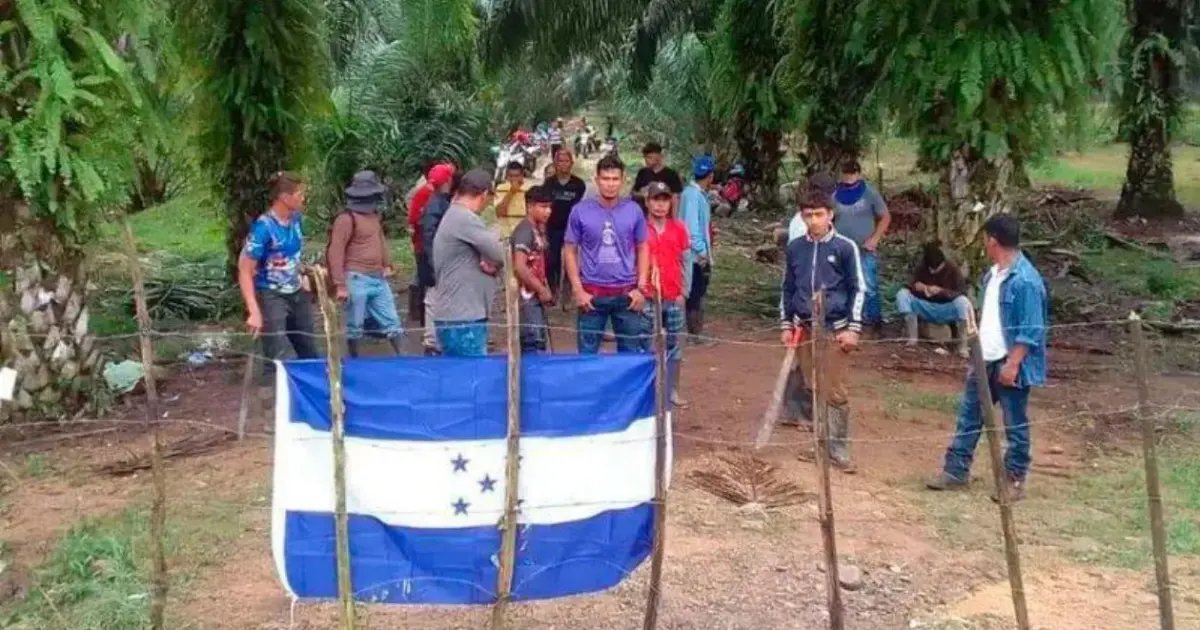
The law arises in a context marked by the concern of the productive sector regarding land invasions, agrarian conflicts and the need to guarantee legal security to producers, investors and owners who develop economic activities in different areas of the country.
According to the legal text, protection extends to agro-industrial, energy and tourism projects, as well as livestock farms, agricultural crops, productive lands and goods linked to production.
It also includes small agricultural producers, who are part of the national productive chain.
The central purpose of the regulations is to strengthen investment, protect private property and ensure the continuity of activities that generate employment, internal supply, exports and economic dynamism in rural areas.
The law too seeks to contribute to the country’s food security, by protecting lands and projects intended for the production of food, energy and tourist services, sectors considered key to national development.
has the regulations, and includes measures to protect producers, energy and tourism projects and key activities for food security.
With its entry into force, the authorities must apply the provisions contemplated in the regulations to prevent impacts on productive activity and guarantee that legally established investments have institutional support.
Business and productive sectors have insisted that legal certainty is an essential condition to maintain operations, attract new investments and avoid economic losses derived from occupations, damages or interruptions in production units.
The publication in La Gaceta turns the law into a current legal tool to protect productive areas, especially at a time when the country faces challenges related to job creation, agricultural production and the stability of private investment.