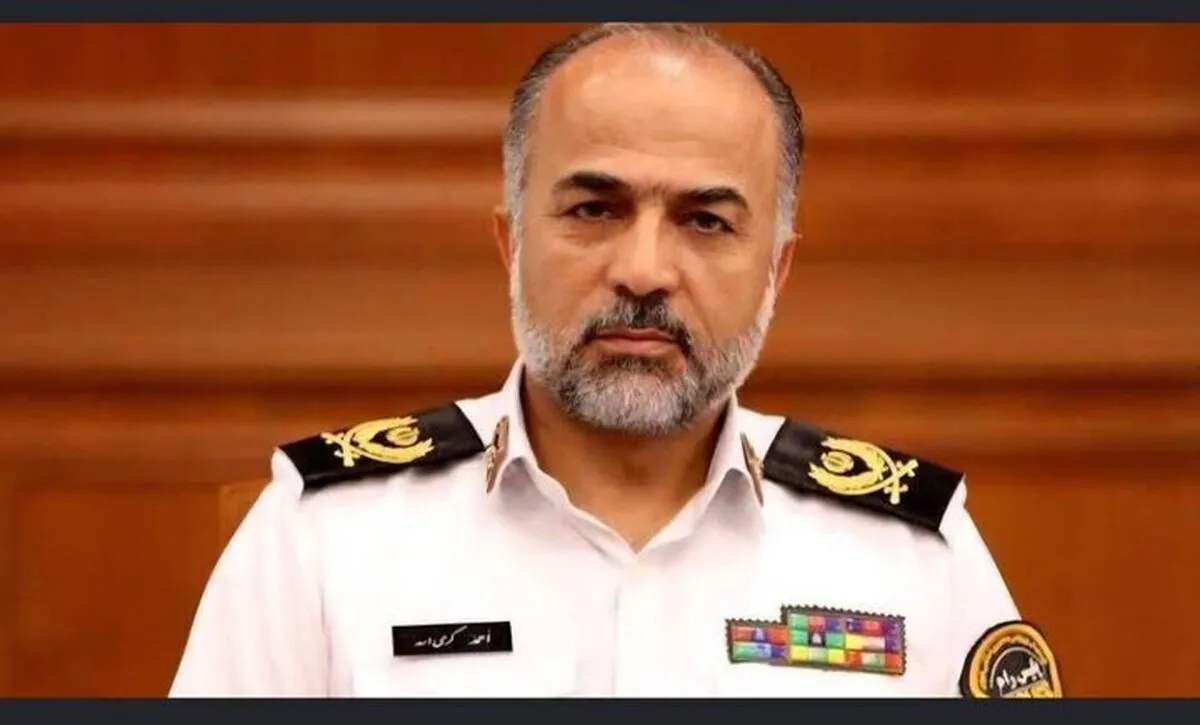
According to Jam Jam Online, the head of the Faraja Highway Police announced the start of the implementation of the Arbaeen 1405 traffic plan from August 1 and said: This plan will continue until August 16 across the country and all the responsible agencies must be fully prepared to manage the pilgrims’ traffic.
In the traffic coordination meeting of the Arbaeen Hosseini ceremony, Sardar Ahmed Karmi Asad stated that although the Arbaeen day is on August 13th, the traffic police mission will start on the first day of August so that the movement of pilgrims can be managed in the best way.
Reviewing last year’s performance, he added: In last year’s Arbaeen plan, 754 fixed bases, 279 mobile bases, 2,233 personnel, more than 6,000 operational vehicles and motorcycles, and 29 helicopters participated in the mission.
The head of the Faraja Highway Police considered the decrease in traffic accidents during last year’s Arbaeen days to be the result of coordination between the responsible agencies and said: In the provinces involved in this mission, including Ilam, Khuzestan, Kermanshah, Kurdistan, Lorestan, Hamedan, Central and West Azerbaijan, the number of dead and injured in accidents has decreased significantly compared to the previous year.
Referring to the traffic statistics of pilgrims, Karmi Asad said: Mehran border is still the busiest border in the country during the days of Arbaeen, and last year more than one million and 566 thousand people passed through this border. In such a way that 38% of the total traffic of pilgrims was carried out from Mehran border.
He further stated that the most important challenges of this year’s Arbaeen are security issues, non-completion of some construction projects, lack of public transport fleet in the last days of the trip, managing the return of pilgrims and the coincidence of some road construction operations with Arbaeen days.
The head of the Faraja Highway Police also emphasized the necessity of ending construction projects before the start of Arbaeen pilgrimages and added: Stopping road construction operations on the routes leading to the borders, strengthening the public transport fleet, deploying mobile refueling vehicles, increasing the monitoring of the passenger fleet, developing relief services, strengthening the air emergency and continuously holding crisis management meetings are among the most important police plans to implement this plan as best as possible.
In the end, he noted: Last year’s successful experience showed that coordination between the police, executive and service agencies plays an important role in reducing accidents and managing pilgrims’ smooth traffic, and this year they will try to implement this mission with maximum safety and minimum problems.