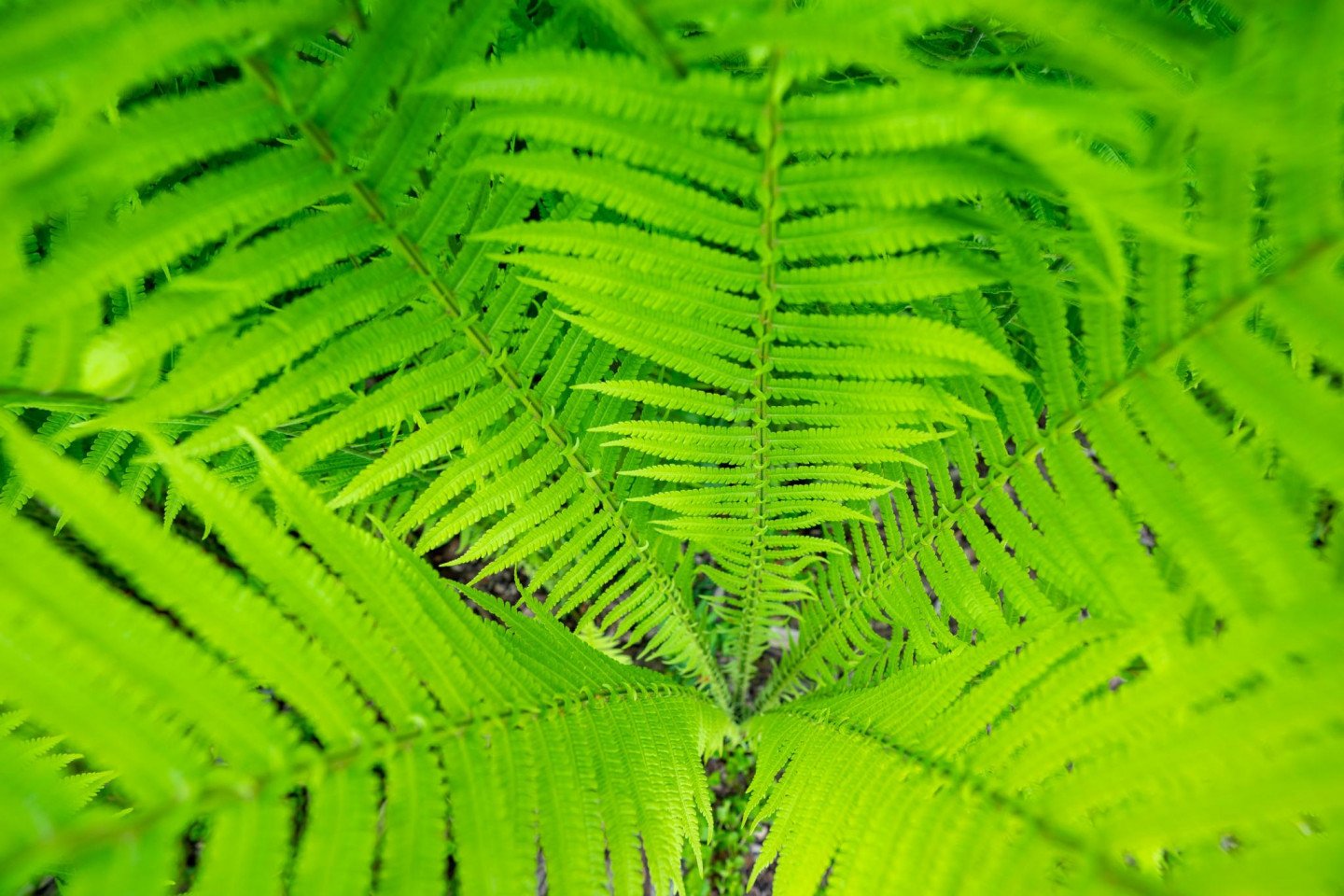
The real feeling of the Midsummer holiday can be found in nature – with horse grass, a bonfire and feasting in the fresh air. In order for the holiday to be not only safe for health, but also friendly to nature, it is worth downloading a couple of easy-to-implement tips in order to celebrate St. John’s in a more environmentally friendly and far-sighted way, without creating a burden on nature.
Send empty beverage containers for recycling
Empty glass bottles and aluminum cans are excellent raw materials for making new packaging. Instead of the Midsummer celebration, arrange boxes in which contractors can throw away bottles and cans separately – so that after the holiday they can be conveniently taken to the separated waste sorting area (you can find the nearest one at www.atkritumi.lv), or you can look at the options provided by the glass container reception points to hand over glass bottles for a fee, recommends “Green Belt”.
Avoid disposable tableware and utensils
When planning the St. John’s celebration, review the contents of the kitchen shelves in time – will there be enough reusable dishes, tableware and glasses for all parties, which could be easily washed and used again throughout the celebration. If cutlery is not enough, there are several ways to find a solution to avoid the use of single-use utensils that are harmful to the environment.
Invite guests to come with their own set of dishes. Or use the dish rental service. By taking a bright felt-tip pen to the place of celebration, each guest will be able to mark their glass with it so that it can be used safely throughout the evening – then the hand will not reach for a new glass every time.
Do not use a bonfire for waste disposal
The Midsummer bonfire is the central point of celebration. Anything that will be thrown into it, in the form of smoke, fumes, ash, will not only enter the lungs of the workers, but will also settle on nearby plants and pollute the environment.
Remember that you should not throw plastic and other products containing synthetic fibers into the bonfire – neither food packages, nor cigarette butts, nor drink glasses (even paper glasses contain a thin layer of plastic), not to mention various environmentally harmful goods, such as car tires.
Plan your meal to avoid food waste
Around 1/3 of the food produced in the world goes to waste. In Europe – about 20%. Therefore, one of the global and Latvian environmental sustainability goals is the reduction of food waste. During Midsummer, the amount of food waste tends to increase rapidly – an excessively rich festive table is prepared, where the food quickly spoils or spoils in the sun and heat.
To prevent this, make a shopping list to buy only what is necessary for the festive table. Coordinate with the guests who and what will be brought to the treat. Do not put all the food on the table at once – add to the festive table during the celebration, not allowing the food to remain in the heat for too long and rot.
Separates biological waste
Biological waste makes up the largest proportion of household waste. So that the amount of waste to be buried in the landfill is smaller, and therefore the bill for waste disposal does not increase, try to separate biological waste – fruit and vegetable peels, food leftovers, as well as withered St. John’s wort.
You can safely bury biological waste in the backyard compost, or if there is no compost, use the biological waste sorting options offered by waste managers, throwing them in BIO containers, which are becoming more and more common in Latvia.