Homs, June 21 (SANA) Syrian Minister of Higher Education and Scientific Research Marwan al-Halabi inaugurated a cardiac catheterization and vascular intervention unit at Homs University Hospital on Sunday, as part of the “Syria Recovery 2026” initiative aimed at supporting and upgrading the country’s health sector.
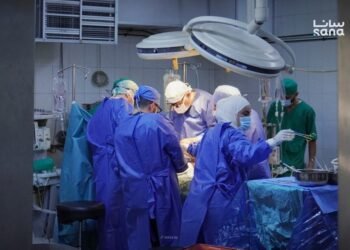
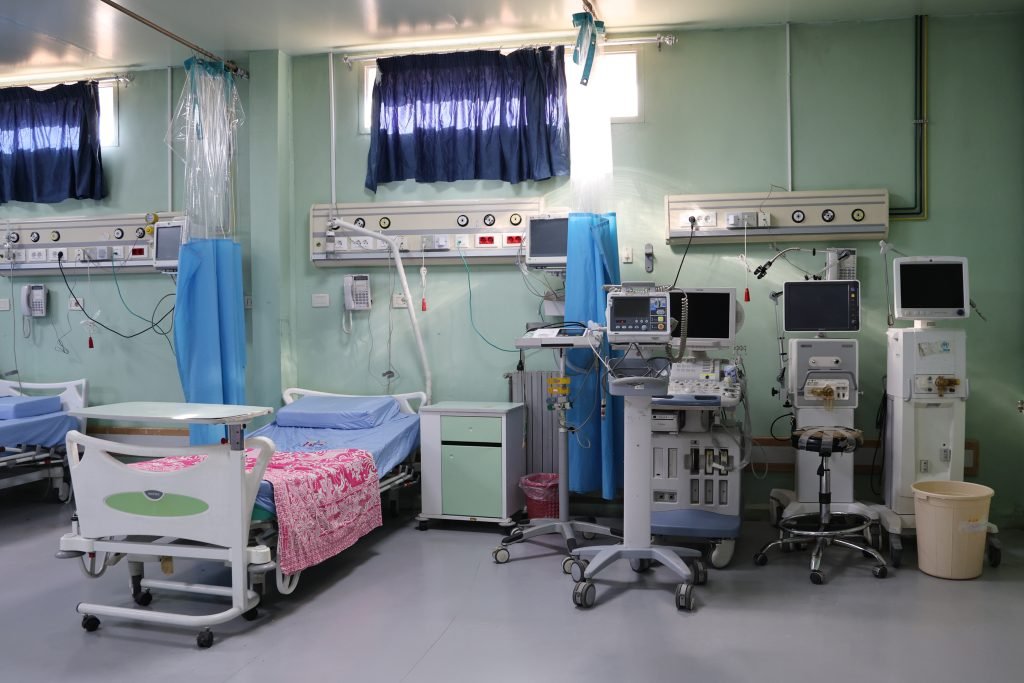
The unit, established in cooperation with the MedGlobal organization, is designed to provide advanced diagnostic and interventional cardiac services, enable rapid emergency treatment, and enhance training for medical residents and students in modern clinical techniques.
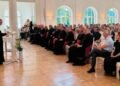
Speaking at the opening ceremony, al-Halabi said the project reflects coordination between the ministries of higher education and health, the medical syndicate, and international partners, stressing efforts to strengthen recovery in the health sector.
He highlighted the importance of linking medical education with labor market needs, building technical capacities, and promoting applied research to improve healthcare services in academic and medical institutions.
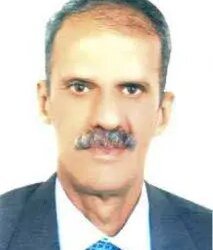
Homs University Hospital Director Dr. Fahd Shreibati said the new unit marks a significant step in cardiac care, noting that such procedures were previously unavailable due to a lack of equipment.
MedGlobal Director Dr. Zaher Sahloul said the initiative includes the establishment and upgrading of several medical departments at the hospital, aimed at improving patient care and expanding training opportunities for doctors and students.
He added that the cardiac catheterization unit was equipped with advanced technology donated by Syrians in the United States and Europe, enabling such procedures to be performed for the first time at the facility and potentially saving thousands of lives.
Sahloul said the initiative, which lasted more than a year and a half, involved donations worth around $2 million, used to support hospitals in Homs and other provinces, with further expansion planned as part of efforts to strengthen Syria’s healthcare system.
Homs University Hospital remains one of the main medical and educational institutions in central Syria, receiving thousands of patients annually and serving as a key training center for medical students and resident doctors.


R.D/ABD