The New Zealand Parole Board have granted parole for a Samoan horticultural labour contractor, imprisoned in 2020 for both human trafficking and slavery. In responding to Parole Board questions, Matamata and his lawyers misused Samoan culture and way of life, claiming the withheld wages were sent to Samoa for “various ceremonies.. which could cost up to $100,000.”
In pleading his case before the Parole Board, he and his defense lawyer used Samoan culture as an excuse, and gave a misinformed picture of the “way of life” in Samoa, to respond to issues raised by members.
Joseph Matamata, 71, was sentenced to 11 years in 2020 for human trafficking and slave labor in New Zealand.
His offending related to 13 Samoan nationals that he arranged to bring to New Zealand in small groups over a 25-year period between 1994 and 2019.
All of his victims, except three teenagers who were adopted by Matamata in 2016, came to New Zealand on three-month holiday visas. Some ended up staying for years, working long hours for Matamata, for no pay.
Matamata’s parole has been granted in his third appearance before the Parole Board, after serving nearly six years in prison.
He was refused parole twice last year but is now expected to be released next month.
While the parole board acknowledged his completion of rehabilitation programs, members raised concerns that Matamata continues to minimise his offenses, which involved exploiting workers for financial gain.
The original case, which involved 13 victims subjected to, among other abuses, physical violence and unpaid work, saw over $400,000 NZD in wages withheld.
Parole Board member Serina Bailey said “when considering undue risk of reoffending the board believed it could grant Matamata parole, however it is believed Matamata had minimised his offending and did not have a clear understanding of the full impact of his actions.”
Matamata’s lawyer Regena Sommers told the Parole Board that he was sorry for using the victims and not seeing their needs, and that he was under a lot of pressure at the time.
In efforts to release her client on parole. Ms Sommers made an unfounded claim that the money stolen in wages by her client, was sent to Samoa.
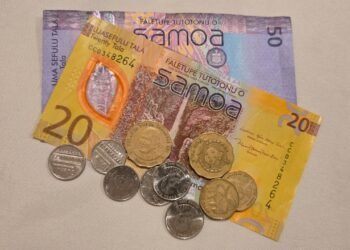
Matamata and his lawyers claimed he was “sending the fruits of his work and the victims’ labour to pay for various ceremonies and events back in Samoa, which could cost up to $100,000.”
They claimed “Matamata had been “humbled by this entire ordeal” and that he had addressed his offending through rehabilitation programmes.”
It is reported that Parole Board member Serina Bailey asked Matamata how he could have treated the victims the way he did.
Through an interpreter the convicted human trafficker and slave labor blamed life in Samoa.
“I am sad after realising that what I did and what happened was wrong, I realise now that living in New Zealand is very different from life in Samoa”.
Bailey asked if he meant that he could treat people like that in Samoa, and he didn’t understand he couldn’t do this in New Zealand.
Matamata replied, that “in Samoa people worked for themselves on their own plantations and that for me we were working with everybody here in a similar way, and hence the conviction.”
Matamata was also asked why he worked his victims so hard.
He said it was because he couldn’t afford at the time to provide for everyone who lived with their family and that he sometimes took out loans to bring people over from Samoa and pay for their flights, and that it was agreed that the people needed to repay the loans when they start working – “It was their way of contributing,” he said.
Matamata was also asked why he assaulted his victims.
He told the Parole Board that a lot of the assaults were things that happened when he was young, and behaved like a youth.
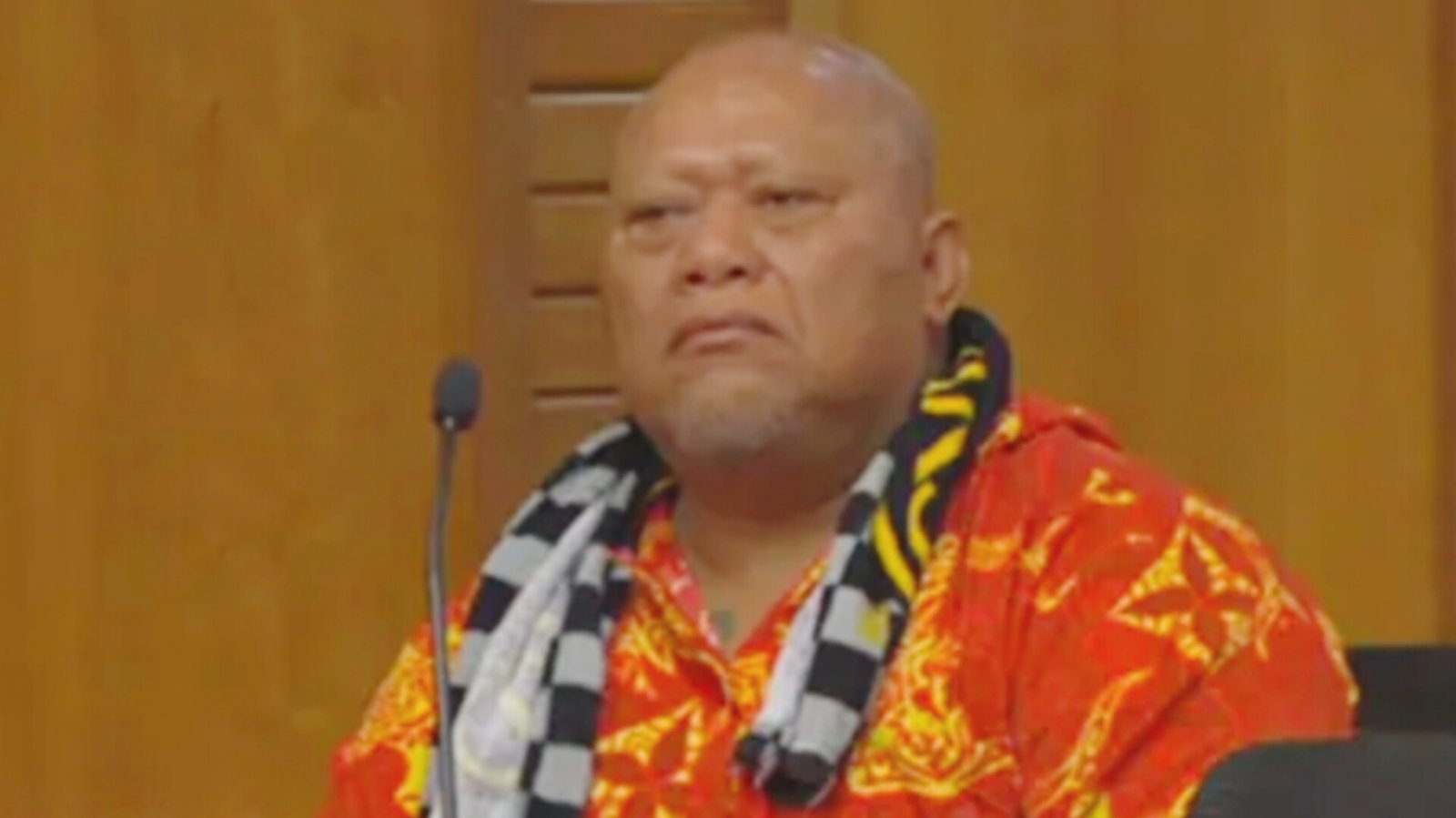
Matamata is reported to have cried at times when he told the Parole Board that after taking the rehabilitation programme, it was clear to him what he put those people through was wrong and that he realised he was guilty.
Another Parole Board member Alistair Spierling raised some concerns stating that “he noticed that the first high risk in Matamata’s safety plan was greed or money, but Matamata had not spoken of either of those, and he had concerns about Matamata’s minimization of his offending.”
However Matamata’s lawyer told the Parole Board that a psychologist who reviewed Matamata’s safety plan did not raise any concerns.

Post Views: 2,203