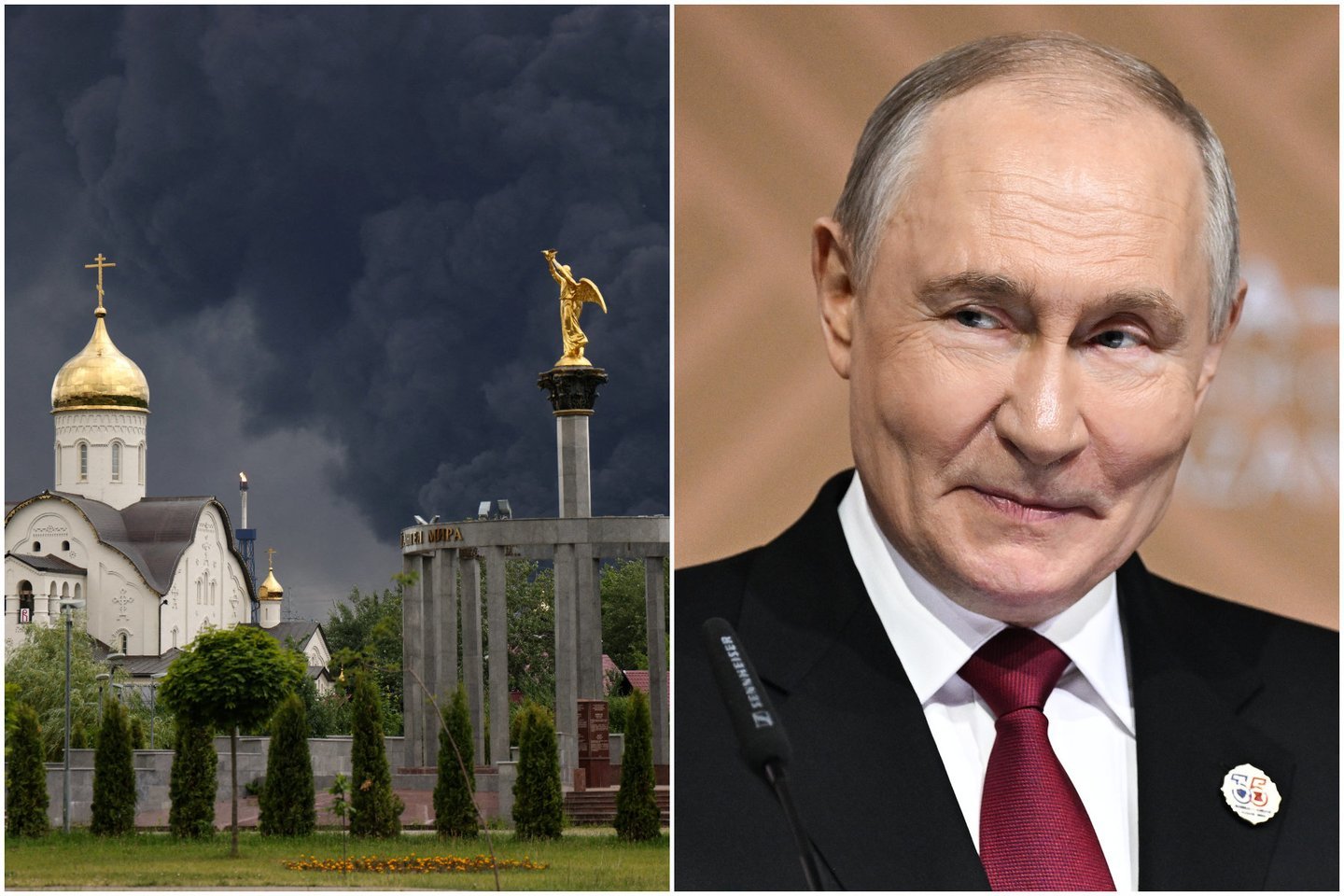
The publication “Financial Times” pointed out that during the attack Russians hid in basements, watched burning shops and found cars sprayed with toxic “oil rain”.
These were the first signs of the conflict, which the Kremlin has long tried to hide from the residents of the capital.
Konrad Muzyka, director of the Polish analytical group Rochan Consulting, pointed out that the Russian capital has become visibly more vulnerable to drone attacks, which have increased in both “frequency and effectiveness” since the spring.
“I dreamed we were being bombed. Then I woke up at 3:30 a.m. and realized it wasn’t a dream,” Amalia, who lives in the southeastern suburbs of Moscow, said of the attack. She said she had not received any warning from the authorities.
Similar complaints appeared in the comments on the Telegram channel of the governor of the Moscow region.
“We hear an approaching drone, run into the corridor – and an hour later a warning appears on the mayor’s Telegram channel,” wrote Olga, a woman living in Khimki
Ukraine’s strikes on Russian refineries have also deepened fuel shortages, sparking online outrage over official claims that supplies have not changed.
“Some people say there is a shortage of fuel in Russia. It’s all a lie,” Moscow-based blogger Mikhail Vitte said sarcastically in an Instagram video.
“Look, it was raining oil! We have so much of it, we don’t know what to do with it,” he added.
The refinery fire also spread to Russia’s largest wholesale market, Sadovod, destroying rows of shops and months of supplies. The traders estimated the damage in millions of roubles.
“We saw what we built turn into ashes. Tears flowed in streams, our legs couldn’t stand it,” the clothing store co-owner wrote on Instagram.
At the time, a resident of the Belgorod region on the Russian-Ukrainian border said: “I’m not ashamed to say this, but I’m partly happy that the people of Moscow will finally be able to experience the kind of life that our regions have lived for years.”
V. Putin was not affected by this
Political scientist and Moscow resident Andrei Kolesnikov emphasized that it is “impossible” to ignore these attacks. But for many people, they have become “just the new reality” unless they themselves have been directly affected.
“Moscow is huge – the western and eastern parts of the city are almost like different countries,” said A. Kolesnikov.
However, there are no signs that this wave of discontent is having any effect on Putin.
A. Kolesnikov noted that the drone attacks only strengthened the positions of the opponents of the war, including those who support the idea of a nuclear strike. “For V. Putin, this pressure is an incentive to escalate the conflict,” he believes.