Sunday, June 28, 2026
    The GeoStrategic Consensus
    No Result
    View All Result
    • Login
    • HOME
    • AMERICAS
      • Argentina
      • Brazil
      • Canada
      • Chile
      • Colombia
      • Costa Rica
      • Cuba
      • Dominican Republic
      • Ecuador
      • El Salvador
      • Greenland
      • Guatemala
      • Honduras
      • Mexico
      • Nicaragua
      • Panama
      • Paraguay
      • Peru
      • United States
      • Uruguay
      • Venezuela
    • ASIA-PACIFIC
      • Australia
      • Brunei Darussalam
      • Cambodia
      • China
      • Federated States of Micronesia
      • Fiji
      • Indonesia
      • Japan
      • Kiribati
      • Laos
      • Malaysia
      • Marshall Islands
      • Mongolia
      • Myanmar
      • Nauru
      • New Zealand
      • North Korea
      • Palau
      • Papua New Guinea
      • Philippines
      • Samoa
      • Singapore
      • Solomon Islands
      • South Korea
      • Taiwan
      • Thailand
      • Timor-Leste
      • Tonga
      • Tuvalu
      • Vanuatu
      • Vietnam
    • CARICOM
      • CARICOM – Non-English
        • Haiti
        • Suriname
      • CARICOM Associates
        • Anguilla
        • Bermuda
        • British-Virgin-Islands
        • Cayman-Islands
        • Curacao
        • Turks-and-Caicos
      • CARICOM English
        • Antigua and Barbuda
        • Barbados
        • Belize
        • Dominica
        • Grenada
        • Guyana
        • Jamaica
        • Montserrat
        • Saint Kitts and Nevis
        • Saint Lucia
        • Saint Vincent and the Grenadines
        • The Bahamas
        • Trinidad and Tobago
    • EURASIA
      • Armenia
      • Azerbaijan
      • Balarus
      • Georgia
      • Kazakhstan
      • Kyrgyzstan
      • Moldova
      • Russia
      • Tajikistan
      • Turkmenistan
      • Ukraine
      • Uzbekistan
    • EUROPE
      • Albania
      • Andorra
      • Austria
      • Bosnia and Herzegovina
      • Bulgaria
      • Croatia
      • Cyprus
      • Czech Republic
      • Denmark
      • Estonia
      • Finland
      • France
      • Germany
      • Greece
      • Holy See
      • Hungary
      • Iceland
      • Ireland
      • Italy
      • Kosovo
      • Latvia
      • Liechtenstein
      • Lithuania
      • Luxembourg
      • Malta
      • Monaco
      • Montenegro
      • Netherlands
      • North Macedonia
      • Norway
      • Poland
      • Portugal
      • Romania
      • San Marino
      • Serbia
      • Slovakia
      • Slovenia
      • Spain
      • Sweden
      • Switzerland
      • United Kingdom
    • MIDDLE EAST AND NORTH AFRICA
      • Algeria
      • Bahrain
      • Egypt
      • Iran
      • Iraq
      • Israel
      • Jordan
      • Kuwait
      • Lebanon
      • Lybia
      • Morocco
      • Oman
      • Palestinian Territories
      • Qatar
      • Saudi Arabia
      • Syria
      • Tunisia
      • Turkey
      • United Arab Emirates
      • Western Sahara
      • Yemen
    • SOUTH ASIA
      • Afghanistan
      • Bangladesh
      • Bhutan
      • India
      • Maldives
      • Nepal
      • Pakistan
      • Sri Lanka
    • SUB-SAHARAN AFRICA
      • Angola
      • Benin
      • Botswana
      • Burkina Faso
      • Burundi
      • Cabo Verde
      • Cameroon
      • Central African Republic
      • Chad
      • Comoros
      • Cote d’Ivoire
      • Democratic Republic of the Congo
      • Djibouti
      • Equatorial Guinea
      • Eritrea
      • Eswatini
      • Ethiopia
      • Gabon
      • Gambia
      • Ghana
      • Guinea
      • Guinea Bissau
      • Kenya
      • Lesotho
      • Liberia
      • Madagascar
      • Malawi
      • Mali
      • Mauritania
      • Mauritius
      • Mozambique
      • Namibia
      • Niger
      • Nigeria
      • Republic of the Congo
      • Rwanda
      • Sao Tome and Principe
      • Senegal
      • Seychelles
      • Sierra Leone
      • Somalia
      • South Africa
      • South Sudan
      • Sudan
      • Tanzania
      • Togo
      • Uganda
      • Zambia
      • Zimbabwe
    • HOME
    • AMERICAS
      • Argentina
      • Brazil
      • Canada
      • Chile
      • Colombia
      • Costa Rica
      • Cuba
      • Dominican Republic
      • Ecuador
      • El Salvador
      • Greenland
      • Guatemala
      • Honduras
      • Mexico
      • Nicaragua
      • Panama
      • Paraguay
      • Peru
      • United States
      • Uruguay
      • Venezuela
    • ASIA-PACIFIC
      • Australia
      • Brunei Darussalam
      • Cambodia
      • China
      • Federated States of Micronesia
      • Fiji
      • Indonesia
      • Japan
      • Kiribati
      • Laos
      • Malaysia
      • Marshall Islands
      • Mongolia
      • Myanmar
      • Nauru
      • New Zealand
      • North Korea
      • Palau
      • Papua New Guinea
      • Philippines
      • Samoa
      • Singapore
      • Solomon Islands
      • South Korea
      • Taiwan
      • Thailand
      • Timor-Leste
      • Tonga
      • Tuvalu
      • Vanuatu
      • Vietnam
    • CARICOM
      • CARICOM – Non-English
        • Haiti
        • Suriname
      • CARICOM Associates
        • Anguilla
        • Bermuda
        • British-Virgin-Islands
        • Cayman-Islands
        • Curacao
        • Turks-and-Caicos
      • CARICOM English
        • Antigua and Barbuda
        • Barbados
        • Belize
        • Dominica
        • Grenada
        • Guyana
        • Jamaica
        • Montserrat
        • Saint Kitts and Nevis
        • Saint Lucia
        • Saint Vincent and the Grenadines
        • The Bahamas
        • Trinidad and Tobago
    • EURASIA
      • Armenia
      • Azerbaijan
      • Balarus
      • Georgia
      • Kazakhstan
      • Kyrgyzstan
      • Moldova
      • Russia
      • Tajikistan
      • Turkmenistan
      • Ukraine
      • Uzbekistan
    • EUROPE
      • Albania
      • Andorra
      • Austria
      • Bosnia and Herzegovina
      • Bulgaria
      • Croatia
      • Cyprus
      • Czech Republic
      • Denmark
      • Estonia
      • Finland
      • France
      • Germany
      • Greece
      • Holy See
      • Hungary
      • Iceland
      • Ireland
      • Italy
      • Kosovo
      • Latvia
      • Liechtenstein
      • Lithuania
      • Luxembourg
      • Malta
      • Monaco
      • Montenegro
      • Netherlands
      • North Macedonia
      • Norway
      • Poland
      • Portugal
      • Romania
      • San Marino
      • Serbia
      • Slovakia
      • Slovenia
      • Spain
      • Sweden
      • Switzerland
      • United Kingdom
    • MIDDLE EAST AND NORTH AFRICA
      • Algeria
      • Bahrain
      • Egypt
      • Iran
      • Iraq
      • Israel
      • Jordan
      • Kuwait
      • Lebanon
      • Lybia
      • Morocco
      • Oman
      • Palestinian Territories
      • Qatar
      • Saudi Arabia
      • Syria
      • Tunisia
      • Turkey
      • United Arab Emirates
      • Western Sahara
      • Yemen
    • SOUTH ASIA
      • Afghanistan
      • Bangladesh
      • Bhutan
      • India
      • Maldives
      • Nepal
      • Pakistan
      • Sri Lanka
    • SUB-SAHARAN AFRICA
      • Angola
      • Benin
      • Botswana
      • Burkina Faso
      • Burundi
      • Cabo Verde
      • Cameroon
      • Central African Republic
      • Chad
      • Comoros
      • Cote d’Ivoire
      • Democratic Republic of the Congo
      • Djibouti
      • Equatorial Guinea
      • Eritrea
      • Eswatini
      • Ethiopia
      • Gabon
      • Gambia
      • Ghana
      • Guinea
      • Guinea Bissau
      • Kenya
      • Lesotho
      • Liberia
      • Madagascar
      • Malawi
      • Mali
      • Mauritania
      • Mauritius
      • Mozambique
      • Namibia
      • Niger
      • Nigeria
      • Republic of the Congo
      • Rwanda
      • Sao Tome and Principe
      • Senegal
      • Seychelles
      • Sierra Leone
      • Somalia
      • South Africa
      • South Sudan
      • Sudan
      • Tanzania
      • Togo
      • Uganda
      • Zambia
      • Zimbabwe
    No Result
    View All Result
    Agentially
    No Result
    View All Result
    Home EUROPE Austria

    Out of the democracy crisis! But how? – DiePresse.com

    The Analyst by The Analyst
    June 27, 2026
    in Austria
    Out of the democracy crisis! But how? – DiePresse.com


    Every new study makes the picture appear even bleaker: Across Europe, and therefore also in Austria, more and more people are dissatisfied with the institutions that shape coexistence politically – such as parliament or the government. For example, around two thirds of Austrian citizens feel poorly represented in parliament. The boys are particularly frustrated. Less than half (44 percent) of 16 to 26-year-olds said in last year’s additional Democracy Monitor survey commissioned by Parliament that the political system in the country works well. In 2018, 68 percent still held this opinion. If things aren’t turned around, our democracy will come under a lot of pressure in the long term. The paradox: At the same time, approval of democracy as a form of rule remains very high worldwide.

    READ ALSO

    Heat: Forgotten in the car: 18-month-old child in Marseille is dead – DiePresse.com

    Pastor Hansl: “The church was never super cool, but it is currently celebrating an extreme comeback” – DiePresse.com

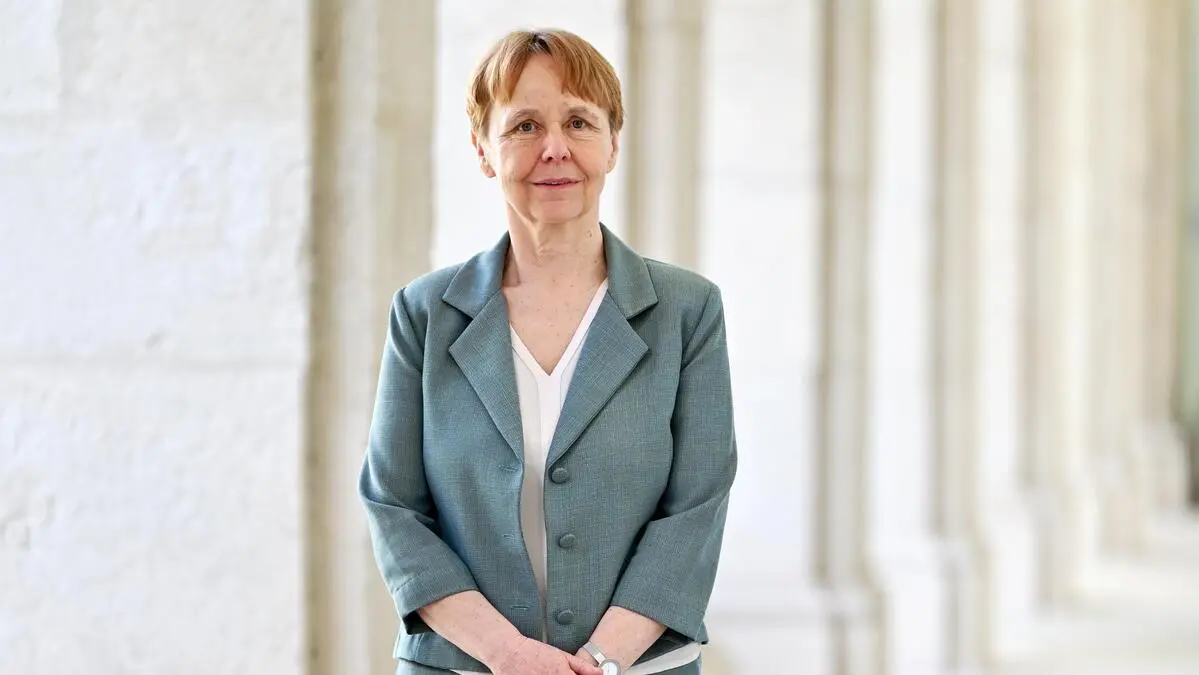
    Brigitte Geißel also conducts research at the Johann Wolfgang Goethe University in Frankfurt am Main. The political scientist and political sociologist specializes in democratic innovations, new forms of governance and political actors. She recently invited the Austrian Academy of Sciences to Vienna to discuss and discuss possible ways out of the democratic crisis.

    In their eyes, the fact that we ended up in such a situation is because the current design of our democratic system was designed for a social structure that no longer exists today. This development is reflected in the party system. Where two large popular parties used to get up to 80 percent of the vote, today there are significantly fewer. “Parties used to represent large groups that had very homogeneous interests. Today it is much more fragmented and differentiated. Younger people in particular think about which party comes closest to their current interests every election,” explains Geißel. The concept of parties that each represent a large group and are repeatedly elected by this group simply no longer works. That is a problem because democracy depends on parties being anchored in society and being its mouthpiece. “If only 25 percent say that they trust the parties at all, there will be an imbalance,” says Geißel. This means that it is not democracy as an idea that is outdated, but rather that its institutional form increasingly no longer fits with social reality.

    And so the number of non-voters is also growing – although people still have a need to help shape their social environment, as the professor explains. “When you ask non-voters why they don’t vote, the answer is often because no party represents me, not because I don’t care.”

    So in the end, is the whole thing more of a personnel question than a structural question? Do we just need better representatives? Preferably those that are completely free of their own sensitivities and only committed to the interests of the population? Scourge waves him off. “People aren’t saints, so we need institutions that keep them in check and diversify power. The idea that other recruitment mechanisms would actually lead to us having better representatives can be put aside. I don’t know where that has ever worked before.” In any case, it would help if politicians viewed the population as the undisputed sovereign, as their actual employer, instead of pursuing a kind of “education concept”. The motto “You just have to educate the stupid citizens and communicate better what we do, then they will understand” doesn’t work.

    How democracy can receive an image boost is currently one of the most exciting debates in political science. Various innovation ideas are discussed. According to Geißel, the basis of a functioning democracy is that the population recognizes a legislative process as legitimate, even if not everyone supports the result. In the future, it will be crucial to involve citizens more closely in political processes through new forms of participation. Geißel has been working with citizens’ councils for some time. Randomly selected citizens discuss political issues together and then make recommendations. But because there is a lot to recommend when money is not an issue at the same time, there is a similar model specifically for the use of public money. That was the original idea of ​​participatory budgeting.

    A citizens’ assembly in the Canadian province of British Columbia is considered one of the best-known and most successful examples of deliberative democracy (i.e. based on public exchange). Back in 2003, 160 citizens who were as representative of the population as possible were selected to examine whether the existing electoral system should be reformed. After eleven months of deliberations, the Citizens’ Assembly recommended the introduction of a new electoral system and also made a proposal. In a subsequent referendum there was no necessary 60 percent majority for the new system. However, the example clearly shows that randomly selected citizens are able to delve into complex political issues and develop well-founded recommendations. Nevertheless, says Geißel, citizens’ assemblies are not a replacement for traditional parliaments. She sees them more as an additional information medium, a group that can be consulted in legislative processes, but which is explicitly not an organized interest group.

    In Austria, Turquoise-Green set up a citizens’ assembly with 100 participants on climate policy in 2022. However, most of the results ended up in a drawer – and have not been taken out since. The lack of institutional commitment to participation processes is a fate that befalls many citizens’ councils, as Geißel confirms. This often leads to frustration among those involved. However, there is often simply the problem that the mandate given to the citizens’ councils is not clear and therefore vague recommendations are developed.

    Internationally, Switzerland is often cited as a reference case for highly developed direct democracy. Because there are already many referendums and initiatives for popular participation there, Geißel and her colleagues did not assume that citizens’ councils would be very well received there. But the opposite was the case: the reactions to the invitations were more often positive than in Germany. “This is probably because the Swiss identify much more strongly with their democracy. That they say, this is our democracy and we make the suggestions here.”

    In Austria, the demand for more direct democratic decisions based on the Swiss model has traditionally come from right-wing parties, especially the FPÖ. Scourge isn’t surprised. When right-wing parties are in opposition, direct democratic procedures are often a method to address people, because the right often translates political questions into a dichotomy between “people” and “elite”. However, once right-wing parties are in government, their commitment to direct democracy often diminishes.

    In fact, Switzerland has shown that direct democratic processes can also lead to greater acceptance of other opinions. “There’s the thought: ‘This decision didn’t turn out the way I wanted. But maybe I’ll win next time,'” says Geißel.

    So what does the way out of the democracy crisis look like? For Geißel this is clear: “Citizens should be more closely involved in shaping democracy and its institutions.”

    Focus: What lies ahead for us?

    It’s been 30 years since diepresse.com went online, “Die Presse” took the step into the digital age. We are taking this anniversary as an opportunity to look forward again. Young entrepreneurs, researchers, artists and politicians are asking themselves the big questions of our time: How will our most important areas of life change in the next few decades? How will we work, believe and love? And what else do we need to know in the future?
    To the focus.



    Source link

    Related Posts

    Heat: Forgotten in the car: 18-month-old child in Marseille is dead – DiePresse.com
    Austria

    Heat: Forgotten in the car: 18-month-old child in Marseille is dead – DiePresse.com

    June 28, 2026
    Pastor Hansl: “The church was never super cool, but it is currently celebrating an extreme comeback” – DiePresse.com
    Austria

    Pastor Hansl: “The church was never super cool, but it is currently celebrating an extreme comeback” – DiePresse.com

    June 27, 2026
    Tenants’ association wants to shift operating costs: “That would save a million households a lot of money” – DiePresse.com
    Austria

    Tenants’ association wants to shift operating costs: “That would save a million households a lot of money” – DiePresse.com

    June 27, 2026
    If you want to lead well, you have to communicate even better – DiePresse.com
    Austria

    If you want to lead well, you have to communicate even better – DiePresse.com

    June 27, 2026
    Justice Minister Anna Sporrer wants to spare young people from imprisonment – ​​DiePresse.com
    Austria

    Justice Minister Anna Sporrer wants to spare young people from imprisonment – ​​DiePresse.com

    June 27, 2026
    Two old, two new – DiePresse.com
    Austria

    Two old, two new – DiePresse.com

    June 27, 2026
    Next Post
    An incomprehensible agreement: Tehran interprets it as a “victory over America”.

    An incomprehensible agreement: Tehran interprets it as a "victory over America".

    POPULAR NEWS

    Pema Deki Brings Bhutanese Heritage to the World of Luxury Watches

    Pema Deki Brings Bhutanese Heritage to the World of Luxury Watches

    June 27, 2026
    Pastor Hansl: “The church was never super cool, but it is currently celebrating an extreme comeback” – DiePresse.com

    Pastor Hansl: “The church was never super cool, but it is currently celebrating an extreme comeback” – DiePresse.com

    June 27, 2026
    Palace: Impeachment trial won’t cause division, affect gov’t work

    Palace: Impeachment trial won’t cause division, affect gov’t work

    June 27, 2026
    CEO salaries in Switzerland: Eight top earners earned over 10 million francs in 2025

    CEO salaries in Switzerland: Eight top earners earned over 10 million francs in 2025

    June 27, 2026
    Pakistani prime minister says U.S.-Iran MOU paves way for long-term peace

    Pakistani prime minister says U.S.-Iran MOU paves way for long-term peace

    June 27, 2026

    EDITOR'S PICK

    Two convicted of armed robbery | News

    Two convicted of armed robbery | News

    June 27, 2026
    Nikolić crossed the border in 10 minutes: There was no crowd for them, they found out why

    Nikolić crossed the border in 10 minutes: There was no crowd for them, they found out why

    June 27, 2026
    Five years after 11J: Memory, resistance and freedom

    Five years after 11J: Memory, resistance and freedom

    June 27, 2026
    Dapsy Sarawak: Poster issue corrected, stresses federal, state roles in Bintulu Port deal

    Dapsy Sarawak: Poster issue corrected, stresses federal, state roles in Bintulu Port deal

    June 27, 2026

    Recent Posts

    • Timor-Leste street vendors pay final tribute to former President Francisco Guterres “Lú Olo”
    • Ho Chi Minh City police charge man over graffiti damage at pedestrian bridge site
    • Israel and Lebanon signed a framework agreement with the United States
    • The investigation into the murder of a 1-year-old child has been completed. The stepmother was arrested. CC:

      © 2026 Agentially - Navigating shifting sovereignties and global risk .

      Welcome Back!

      Login to your account below

      Forgotten Password?

      Retrieve your password

      Please enter your username or email address to reset your password.

      Log In
      No Result
      View All Result

        © 2026 Agentially - Navigating shifting sovereignties and global risk .

        This website uses cookies. By continuing to use this website you are giving consent to cookies being used. Visit our Privacy and Cookie Policy.