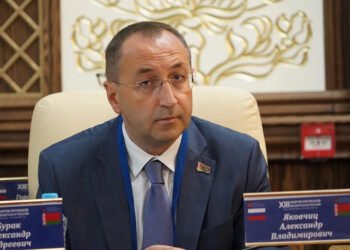
According to Andrei Strigelsky, tourism is viewed as a key driver of economic growth and is among the top priorities of state policy. “The head of state has issued a directive to double the tourism industry’s contribution to the country’s GDP by 2030,” he said.
Minsk is focusing on several areas at once, including medical, business, religious, industrial, event, and patriotic tourism. According to the deputy chairman of the Minsk City Executive Committee, it is this comprehensive approach that makes it possible to create a competitive tourism product and attract visitors year-round.
Minsk sees high potential in the medical services industry, which is in high demand far beyond the country’s borders. “In 2025, residents from more than 160 countries, including nations with advanced healthcare systems, sought medical care from Minsk doctors,” he emphasized.
Andrei Strigelsky also focused on industrial tourism, which has become increasingly popular in recent years. Today, enterprises offer visitors not just guided tours, but interactive programs with an opportunity to get an inside look at the production process. “This is no longer just about walking through workshop floors. People get a chance to personally participate in production processes and discover the history of famous Belarusian brands,” he added.
According to Andrei Strigelsky, event tourism also holds significant potential. Every year, Minsk hosts more than 500 events that attract over 1.5 million guests. It is this industry that largely shapes the capital’s recognizable tourism brand.
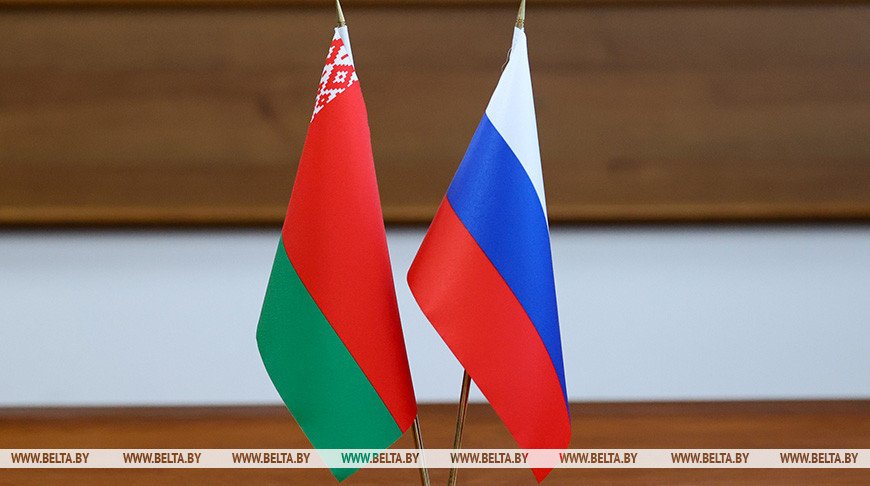
Particular attention is paid to the development of joint Belarus-Russia routes for international tourists. This involves multi-destination tours that will allow overseas guests to explore the sights of both countries in a single trip. “Visa issues within the Union State have already been resolved. Now it is important to work together on logistics, route content, and their promotion on foreign markets,” the deputy chairman of the Minsk City Executive Committee noted.
The official also stressed that Russian citizens currently account for around 86% of Minsk’s tourist influx. In this regard, the Belarusian capital is interested in further expanding interregional ties, developing new tourism products, and promoting shared cultural and historical routes within the Union State.