Monday, May 4, 2026
    The GeoStrategic Consensus
    No Result
    View All Result
    • Login
    • HOME
    • AMERICAS
      • Argentina
      • Brazil
      • Canada
      • Chile
      • Colombia
      • Costa Rica
      • Cuba
      • Dominican Republic
      • Ecuador
      • El Salvador
      • Greenland
      • Guatemala
      • Honduras
      • Mexico
      • Nicaragua
      • Panama
      • Paraguay
      • Peru
      • United States
      • Uruguay
      • Venezuela
    • ASIA-PACIFIC
      • Australia
      • Brunei Darussalam
      • Cambodia
      • China
      • Federated States of Micronesia
      • Fiji
      • Indonesia
      • Japan
      • Kiribati
      • Laos
      • Malaysia
      • Marshall Islands
      • Mongolia
      • Myanmar
      • Nauru
      • New Zealand
      • North Korea
      • Palau
      • Papua New Guinea
      • Philippines
      • Samoa
      • Singapore
      • Solomon Islands
      • South Korea
      • Taiwan
      • Thailand
      • Timor-Leste
      • Tonga
      • Tuvalu
      • Vanuatu
      • Vietnam
    • CARICOM
      • CARICOM – Non-English
        • Haiti
        • Suriname
      • CARICOM Associates
        • Anguilla
        • Bermuda
        • British-Virgin-Islands
        • Cayman-Islands
        • Curacao
        • Turks-and-Caicos
      • CARICOM English
        • Antigua and Barbuda
        • Barbados
        • Belize
        • Dominica
        • Grenada
        • Guyana
        • Jamaica
        • Montserrat
        • Saint Kitts and Nevis
        • Saint Lucia
        • Saint Vincent and the Grenadines
        • The Bahamas
        • Trinidad and Tobago
    • EURASIA
      • Armenia
      • Azerbaijan
      • Balarus
      • Georgia
      • Kazakhstan
      • Kyrgyzstan
      • Moldova
      • Russia
      • Tajikistan
      • Turkmenistan
      • Ukraine
      • Uzbekistan
    • EUROPE
      • Albania
      • Andorra
      • Austria
      • Bosnia and Herzegovina
      • Bulgaria
      • Croatia
      • Cyprus
      • Czech Republic
      • Denmark
      • Estonia
      • Finland
      • France
      • Germany
      • Greece
      • Holy See
      • Hungary
      • Iceland
      • Ireland
      • Italy
      • Kosovo
      • Latvia
      • Liechtenstein
      • Lithuania
      • Luxembourg
      • Malta
      • Monaco
      • Montenegro
      • Netherlands
      • North Macedonia
      • Norway
      • Poland
      • Portugal
      • Romania
      • San Marino
      • Serbia
      • Slovakia
      • Slovenia
      • Spain
      • Sweden
      • Switzerland
      • United Kingdom
    • MIDDLE EAST AND NORTH AFRICA
      • Algeria
      • Bahrain
      • Egypt
      • Iran
      • Iraq
      • Israel
      • Jordan
      • Kuwait
      • Lebanon
      • Lybia
      • Morocco
      • Oman
      • Palestinian Territories
      • Qatar
      • Saudi Arabia
      • Syria
      • Tunisia
      • Turkey
      • United Arab Emirates
      • Western Sahara
      • Yemen
    • SOUTH ASIA
      • Afghanistan
      • Bangladesh
      • Bhutan
      • India
      • Maldives
      • Nepal
      • Pakistan
      • Sri Lanka
    • SUB-SAHARAN AFRICA
      • Angola
      • Benin
      • Botswana
      • Burkina Faso
      • Burundi
      • Cabo Verde
      • Cameroon
      • Central African Republic
      • Chad
      • Comoros
      • Cote d’Ivoire
      • Democratic Republic of the Congo
      • Djibouti
      • Equatorial Guinea
      • Eritrea
      • Eswatini
      • Ethiopia
      • Gabon
      • Gambia
      • Ghana
      • Guinea
      • Guinea Bissau
      • Kenya
      • Lesotho
      • Liberia
      • Madagascar
      • Malawi
      • Mali
      • Mauritania
      • Mauritius
      • Mozambique
      • Namibia
      • Niger
      • Nigeria
      • Republic of the Congo
      • Rwanda
      • Sao Tome and Principe
      • Senegal
      • Seychelles
      • Sierra Leone
      • Somalia
      • South Africa
      • South Sudan
      • Sudan
      • Tanzania
      • Togo
      • Uganda
      • Zambia
      • Zimbabwe
    • HOME
    • AMERICAS
      • Argentina
      • Brazil
      • Canada
      • Chile
      • Colombia
      • Costa Rica
      • Cuba
      • Dominican Republic
      • Ecuador
      • El Salvador
      • Greenland
      • Guatemala
      • Honduras
      • Mexico
      • Nicaragua
      • Panama
      • Paraguay
      • Peru
      • United States
      • Uruguay
      • Venezuela
    • ASIA-PACIFIC
      • Australia
      • Brunei Darussalam
      • Cambodia
      • China
      • Federated States of Micronesia
      • Fiji
      • Indonesia
      • Japan
      • Kiribati
      • Laos
      • Malaysia
      • Marshall Islands
      • Mongolia
      • Myanmar
      • Nauru
      • New Zealand
      • North Korea
      • Palau
      • Papua New Guinea
      • Philippines
      • Samoa
      • Singapore
      • Solomon Islands
      • South Korea
      • Taiwan
      • Thailand
      • Timor-Leste
      • Tonga
      • Tuvalu
      • Vanuatu
      • Vietnam
    • CARICOM
      • CARICOM – Non-English
        • Haiti
        • Suriname
      • CARICOM Associates
        • Anguilla
        • Bermuda
        • British-Virgin-Islands
        • Cayman-Islands
        • Curacao
        • Turks-and-Caicos
      • CARICOM English
        • Antigua and Barbuda
        • Barbados
        • Belize
        • Dominica
        • Grenada
        • Guyana
        • Jamaica
        • Montserrat
        • Saint Kitts and Nevis
        • Saint Lucia
        • Saint Vincent and the Grenadines
        • The Bahamas
        • Trinidad and Tobago
    • EURASIA
      • Armenia
      • Azerbaijan
      • Balarus
      • Georgia
      • Kazakhstan
      • Kyrgyzstan
      • Moldova
      • Russia
      • Tajikistan
      • Turkmenistan
      • Ukraine
      • Uzbekistan
    • EUROPE
      • Albania
      • Andorra
      • Austria
      • Bosnia and Herzegovina
      • Bulgaria
      • Croatia
      • Cyprus
      • Czech Republic
      • Denmark
      • Estonia
      • Finland
      • France
      • Germany
      • Greece
      • Holy See
      • Hungary
      • Iceland
      • Ireland
      • Italy
      • Kosovo
      • Latvia
      • Liechtenstein
      • Lithuania
      • Luxembourg
      • Malta
      • Monaco
      • Montenegro
      • Netherlands
      • North Macedonia
      • Norway
      • Poland
      • Portugal
      • Romania
      • San Marino
      • Serbia
      • Slovakia
      • Slovenia
      • Spain
      • Sweden
      • Switzerland
      • United Kingdom
    • MIDDLE EAST AND NORTH AFRICA
      • Algeria
      • Bahrain
      • Egypt
      • Iran
      • Iraq
      • Israel
      • Jordan
      • Kuwait
      • Lebanon
      • Lybia
      • Morocco
      • Oman
      • Palestinian Territories
      • Qatar
      • Saudi Arabia
      • Syria
      • Tunisia
      • Turkey
      • United Arab Emirates
      • Western Sahara
      • Yemen
    • SOUTH ASIA
      • Afghanistan
      • Bangladesh
      • Bhutan
      • India
      • Maldives
      • Nepal
      • Pakistan
      • Sri Lanka
    • SUB-SAHARAN AFRICA
      • Angola
      • Benin
      • Botswana
      • Burkina Faso
      • Burundi
      • Cabo Verde
      • Cameroon
      • Central African Republic
      • Chad
      • Comoros
      • Cote d’Ivoire
      • Democratic Republic of the Congo
      • Djibouti
      • Equatorial Guinea
      • Eritrea
      • Eswatini
      • Ethiopia
      • Gabon
      • Gambia
      • Ghana
      • Guinea
      • Guinea Bissau
      • Kenya
      • Lesotho
      • Liberia
      • Madagascar
      • Malawi
      • Mali
      • Mauritania
      • Mauritius
      • Mozambique
      • Namibia
      • Niger
      • Nigeria
      • Republic of the Congo
      • Rwanda
      • Sao Tome and Principe
      • Senegal
      • Seychelles
      • Sierra Leone
      • Somalia
      • South Africa
      • South Sudan
      • Sudan
      • Tanzania
      • Togo
      • Uganda
      • Zambia
      • Zimbabwe
    No Result
    View All Result
    Agentially
    No Result
    View All Result
    Home AMERICAS Colombia

    Individual savings or greater state control? This is how the underlying dispute over pensions goes in the run-up to the Asofondos Congress

    The Analyst by The Analyst
    April 22, 2026
    in Colombia
    Individual savings or greater state control? This is how the underlying dispute over pensions goes in the run-up to the Asofondos Congress


    The pension debate in Colombia stopped being a technical discussion and became a structural dispute about the country’s economic and social model. What is at stake is no longer just the architecture of the system, but the destination of the savings of millions of workers and the capacity of the State to guarantee sustainable pensions over time.

    In this scenario, the Government’s recent decisions—such as limiting the investment of funds abroad or proposing the massive transfer of resources to the public system—have further tense the discussion. While the Executive defends them as economic policy measures, From the private sector these are interpreted as interventions that could deteriorate profitability, increase risk and weaken confidence in the system.

    READ ALSO

    Banco de Bogotá expands options to receive immediate payments with Bre-B

    Woman demands a man’s cell phone password after suffering a serious accident in Cartagena: ‘I don’t care!’ | DNA Diary

    READ ALSO

    pensions

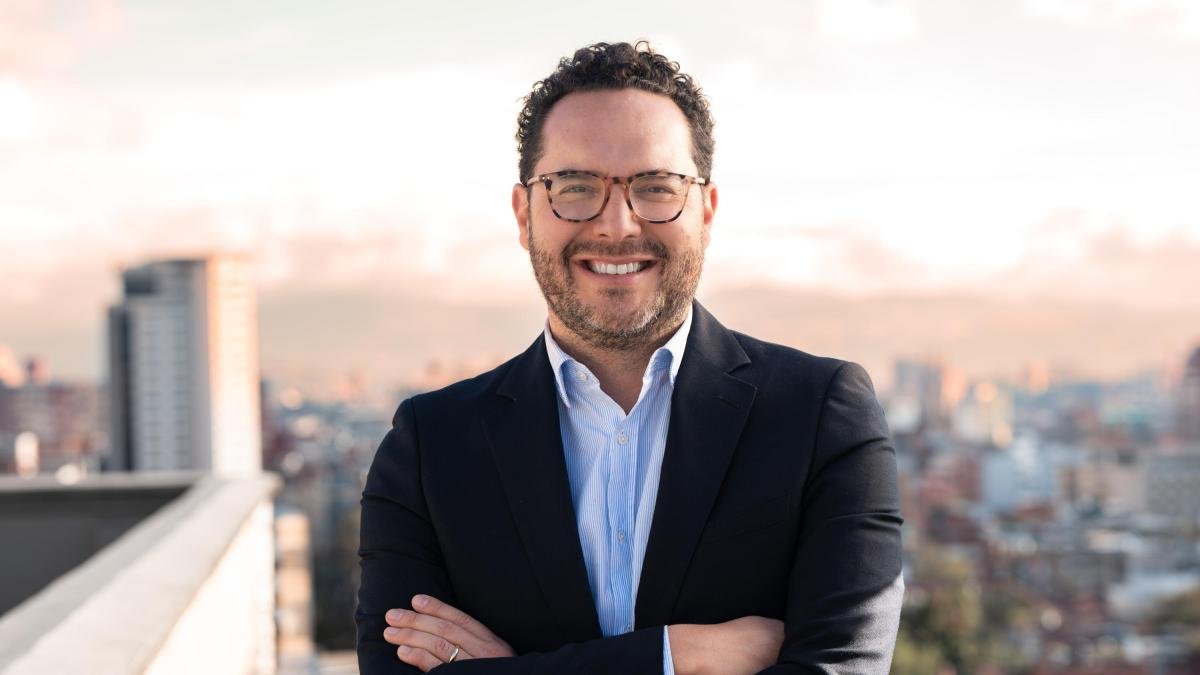
    Andrés Mauricio Velasco, president of Asofondos, maintains that The country is making decisions that ignore basic principles of portfolio management, generate legal uncertainty and may end up directly affecting millions of affiliates..

    A few days before the holding of its annual congress in Cartagena, the spokesperson for the private funds (AFP) told EL TIEMPO why he considers several of these measures to be wrong and warns about their possible long-term consequences.

    The Government does not cease in its efforts to hinder the work of private funds and for example the recent decree that limits investments abroad. What specific effects do you foresee on portfolios, systemic risk and long-term profitability?

    Limiting investment abroad breaks a basic principle: less diversification means lower profitability and more risk. In a system where 80 percent of the pension depends on those returns, that inevitably translates into lower pensions and fewer Colombians managing to retire. Furthermore, it forces decisions contrary to financial logic, such as selling international assets at times when they should serve to protect savings. Thus, restricting this investment ends up translating into lower balances in individual accounts, which means fewer people retiring and lower pensions.

    Gustavo Petro, president of Colombia, imposed limits on foreign investments by the AFPs. Photo:Presidency

    As legal actions progress, what can members expect in the short term?

    There is an element of tranquility in the short term, since the decree contemplates six months to define the transition mechanism. During that time, the portfolios would not be affected. There is also a clause that allows exceptions if equivalent local assets are not found to replace the international ones, which could be decisive. However, the scenario is uncertain. We are in the hands of the institutions: the Government can review the decree, and ongoing judicial actions can generate effects. The important thing is that we are using all legal tools to protect the savings of Colombians.

    The idea of ​​transferring 25 billion pesos is still firm, what impact would it have on the liquidity and sustainability of the system?

    This decree would have serious legality problems. Congress was clear that these resources are intended for savings, not spending. The risk is that, if executed, it would involve liquidating assets in a very short period, affecting entire markets. These resources are in the conservative fund, belong to people about to retire, and are invested in liquid assets such as TES. Colpensiones does not have the structure to manage investment portfolios, so the only alternative would be to sell those assets. That would affect not only those monies, but the entire market, by putting downward pressure on prices. Furthermore, the argument of lack of money to pay pensions is not correct. The contributions of those who moved are enough and more than enough to cover these obligations.

    The Government insists that the AFP transfer $25 billion to Colpensiones to pay allowances. Photo:iStock

    Do these decisions strengthen the sustainability of the pension system?

    No. What we see is a statist vision that goes against international evidence. The average premium regime is unsustainable: it has liabilities close to 170 percent of GDP and strong inefficiencies. In contrast, the individual savings regime has proven to be more efficient and profitable. In fact, 95 percent of Colombians are better off with individual savings. And that is not an opinion, it is a fact. The main problem is in the labor market: only 25 percent manage to complete the weeks to retire. Recent decisions – investment restrictions, possible mass relocations, regulatory changes – go in the opposite direction of what should be done. They affect the well-being of current and future workers. The decisions being made not only generate uncertainty, but can deteriorate a system that has worked reasonably well within the country’s conditions.

    READ ALSO
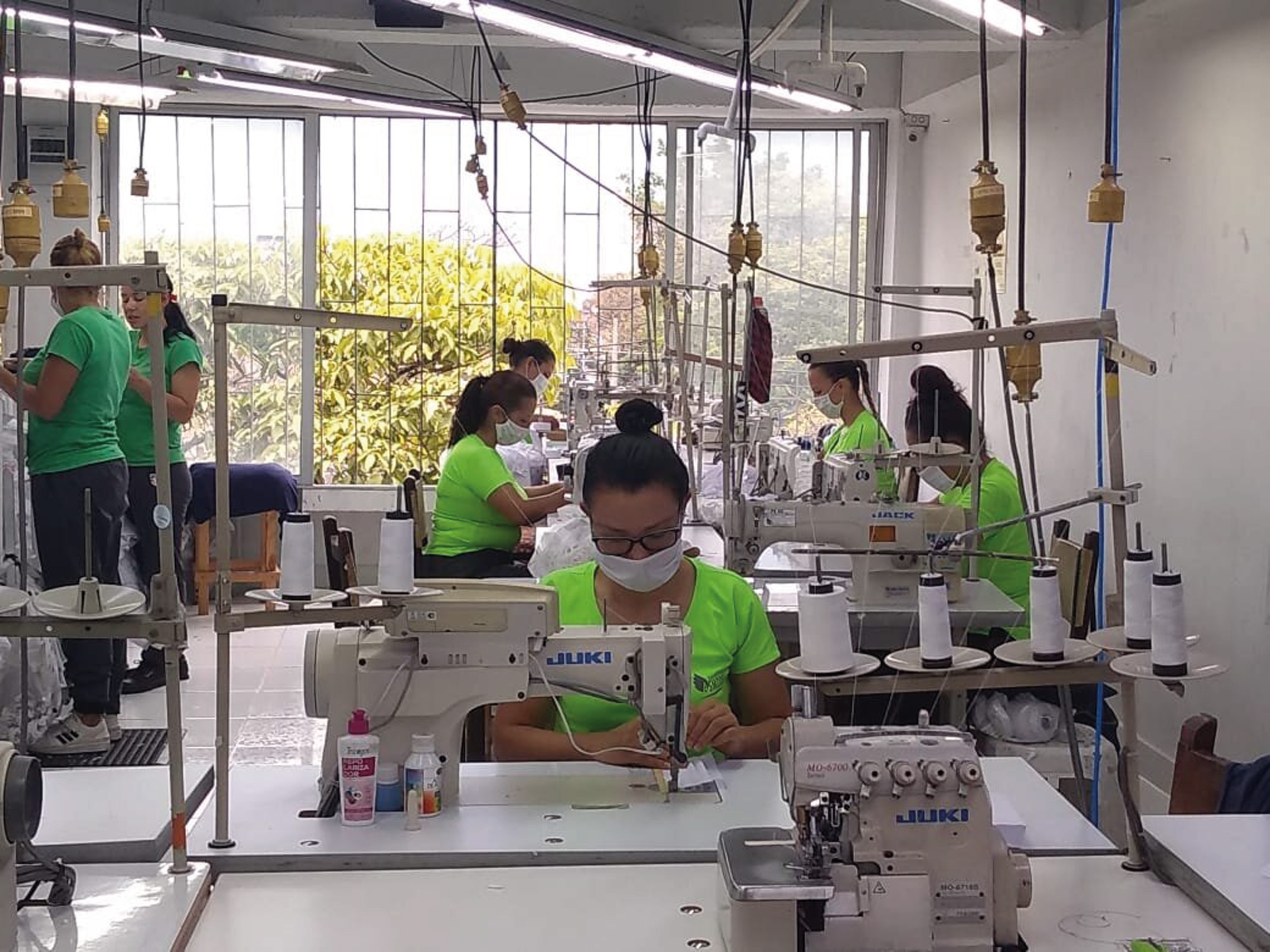
    Colombia has a gap of 4.5 points: 13 percent women versus 8.5 percent men.

    This week the Supreme Court of Justice ordered private funds to compensate those people who moved in the past without proper advice. What financial and operational implications does this have for the AFPs?

    It is a sensitive topic that must be put in context. Many of these cases correspond to transfers made before 2014, when the advisory standards were different. Since then, the system has changed structurally: today there are double advisory processes, much stricter protocols and complete records of recommendations. What we are seeing are decisions about individual cases, not an actual systemic failure. However, there are risks: they can encourage new lawsuits and generate legal tensions if current standards are applied to situations from the past. For now, the financial impact is limited because the number of cases is small, but eventual overcrowding could generate significant contingencies. Therefore, the focus has been to legally defend the cases and, at the same time, continue to strengthen advisory standards.

    Are you saying this could open the door to a wave of litigation or even regulatory adjustments?

    Yes, there is that risk, but it must be sized appropriately. We are not facing a generalized situation, but rather specific processes. Now, it is true that decisions of this type can generate incentives for more people to go to court. In this scenario, the challenge will be to avoid generalizations that ignore the differences between cases and between regulatory frameworks. As for regulatory adjustments, in practice they were already made more than a decade ago. The double advisory system and registration mechanisms seek precisely to prevent situations like these from being repeated. That is why we believe that the focus today should not be on new regulations, but on providing legal clarity and consistency in decisions.

    Double advice seeks to prevent people from going to the law to correct a possible failure. Photo:iStock

    All this noise is occurring in an environment of uncertainty in the absence of a ruling from the Constitutional Court regarding the pension reform, how much damage does this situation generate?

    It is a critical factor. Today we are operating in a scenario in which we do not know what the definitive regulatory framework of the pension system will be. And that affects decision-making at both the institutional and individual levels. This is not about questioning the Court, but rather highlighting the need for a timely decision. There are investments, strategies and operational definitions that depend on that clarity. Furthermore, prolonged uncertainty can affect confidence in the system, and that is something that is especially delicate in pension matters, because we are talking about long-term decisions. There are three possible scenarios: return to Congress, approval or total unenforceability.

    READ ALSO

    Today's dollar rate

    If the Court returns the reform to Congress, have they evaluated the checks and balances of this happening in the scenario of the new Congress?

    The risks undoubtedly increase, because the outcome would be in the hands of a Congress with a different and still uncertain political composition. We do not know how the majorities will be configured, nor what weight the different forces will have in the key commissions or in the board of directors. That introduces an additional element of volatility, because the debate would no longer be just technical, but deeply political. Depending on this balance, the reform could be substantially modified or even take a very different path than originally proposed. In this scenario, uncertainty is not only prolonged, but amplified, making it much more difficult to anticipate what the country’s pension model will be.

    The Constitutional Court could return the Pension Reform to Congress for correction. Photo:César Melgarejo/ CEET @cesarmelgarejoa

    Without knowing what will happen with this reform, there are already very strong voices in the sense that another is needed to solve structural problems that remain unaddressed…

    Yes, regardless of what happens with this reform, the Colombian pension system will need additional adjustments (retirement age, replacement rate, subsidies). There are structural factors that do not disappear: the drop in the birth rate, the aging of the population and the problems of the labor market. This implies that, sooner rather than later, the country will have to hold in-depth discussions on the parameters of the system, to make it more sustainable, expand coverage and improve equity. Furthermore, there is a major intergenerational problem. The decisions made today affect the incentives of young people: if they perceive that the system is not sustainable or that it will not offer them clear benefits, they may opt for informality or even leave the country. That ends up accelerating the problems we are trying to solve.

    Image from the 18th Annual Congress of Asofondos 2025, which took place in Cartagena. Photo:Asofunds

    Finally, what is the message that you will bring to Congress, the Government and the presidential candidates in the midst of this debate?

    The message is that Colombia needs to build long-term consensus. This is not an ideological debate, but a structural one. There are three key points. First, protect the savings of Colombians and ensure that they are managed with technical criteria. Second, address the real underlying problem: the labor market, especially informality and low contribution rates. And third, give clear signals towards the future, because today’s decisions directly affect the behavior of young people. At the Cartagena Congress we want to open that discussion with experts, authorities and presidential candidates, putting on the table the real challenges of the country, not only in pensions, but also in fiscal and institutional matters. We represent nearly 20 million members and have the responsibility of managing their savings. That is the message that we are going to take to all scenarios.

    READ ALSO
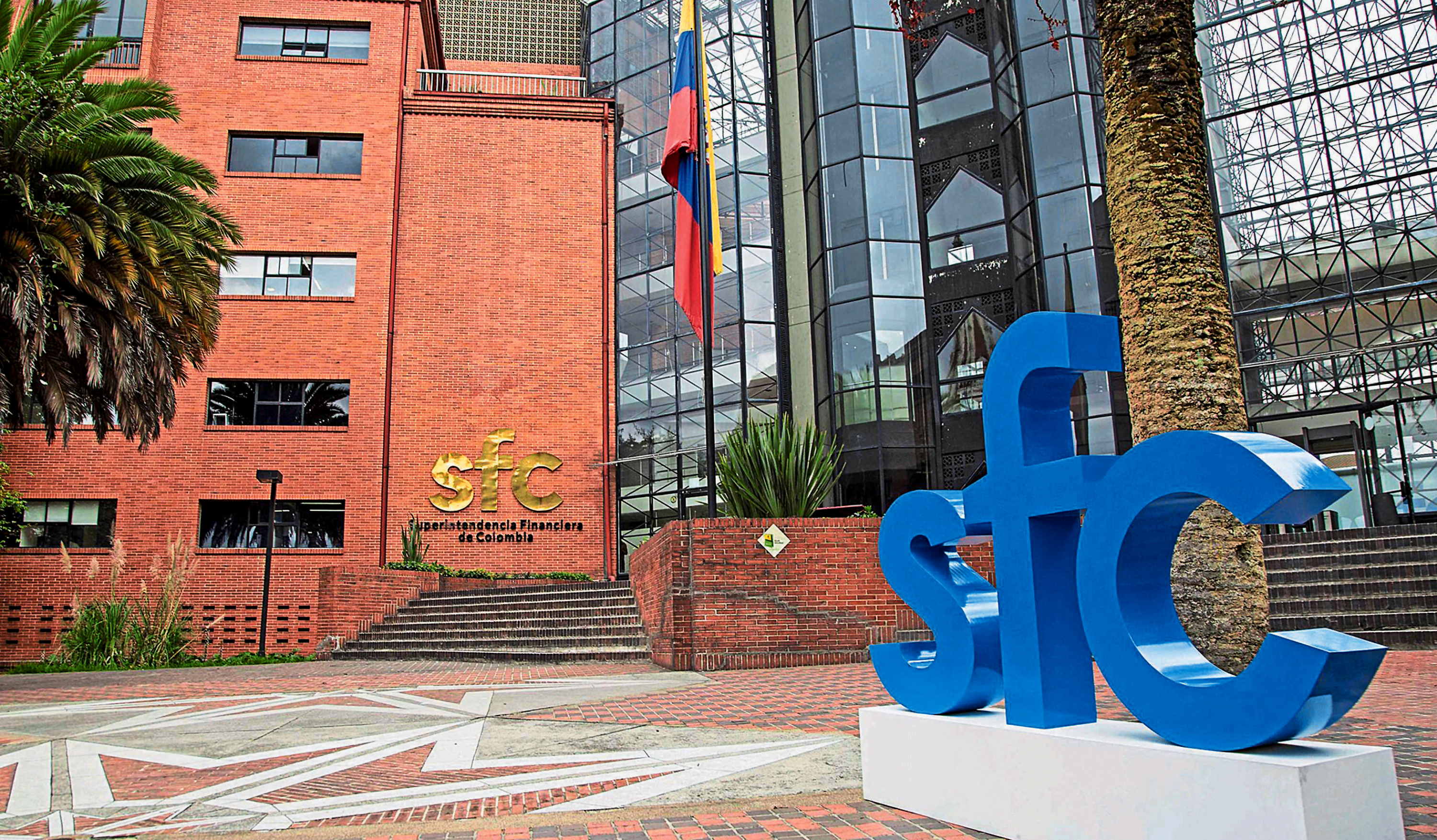
    The Superfinanciera is also seeking an internal restructuring to improve its supervision and sanction tasks.


    Source link

    Related Posts

    Banco de Bogotá expands options to receive immediate payments with Bre-B
    Colombia

    Banco de Bogotá expands options to receive immediate payments with Bre-B

    May 4, 2026
    Woman demands a man’s cell phone password after suffering a serious accident in Cartagena: ‘I don’t care!’ | DNA Diary
    Colombia

    Woman demands a man’s cell phone password after suffering a serious accident in Cartagena: ‘I don’t care!’ | DNA Diary

    May 4, 2026
    Everything exploded in the air in Santa Fe: Hugo Rodallega did not like being replaced by Pablo Repetto and came out throwing insults (video)
    Colombia

    Everything exploded in the air in Santa Fe: Hugo Rodallega did not like being replaced by Pablo Repetto and came out throwing insults (video)

    May 4, 2026
    Scoop: Colombians spend more and more out of pocket on medicines as the country deepens its dependence on imports, reveals Ascif
    Colombia

    Scoop: Colombians spend more and more out of pocket on medicines as the country deepens its dependence on imports, reveals Ascif

    May 3, 2026
    Mining title given by the President does not border the Rifles battalion, but it is in the area and there are complaints about illegal mining
    Colombia

    Mining title given by the President does not border the Rifles battalion, but it is in the area and there are complaints about illegal mining

    May 3, 2026
    Avianca announces investigation and legal actions in the case of paper with fecal matter found in a flight seat to the United States: sabotage is suspected
    Colombia

    Avianca announces investigation and legal actions in the case of paper with fecal matter found in a flight seat to the United States: sabotage is suspected

    May 3, 2026
    Next Post
    Are you willing? A movement wants you to put down the phone

    Are you willing? A movement wants you to put down the phone

    POPULAR NEWS

    Justin Bieber fans flood Coachella festival for headlining show – Entertainment

    Justin Bieber fans flood Coachella festival for headlining show – Entertainment

    April 20, 2026

    Over 600 flee homes as Army, NPA clash in Negros Occidental

    April 21, 2026

    Ex-DPWH exec recalls P800-M ‘delivery’ to Zaldy Co 

    April 20, 2026

    Former PM Paluckas suspends party membership, to waive immunity over criminal probe

    April 24, 2026
    Pres. Ali challenges CARICOM to transform into health research powerhouse

    Pres. Ali challenges CARICOM to transform into health research powerhouse

    April 23, 2026

    EDITOR'S PICK

    Ministry of Agriculture suspends issuance of open burn permits

    Ministry of Agriculture suspends issuance of open burn permits

    April 24, 2026
    Notes from Central Taiwan: Taiwan missing the boat on maritime tourism

    Notes from Central Taiwan: Taiwan missing the boat on maritime tourism

    April 24, 2026
    Net Swiss household wealth rises to above CHF5 trillion

    Net Swiss household wealth rises to above CHF5 trillion

    April 29, 2026
    Jose David Vilar

    Jose David Vilar

    April 16, 2026

    Recent Posts

    • Wild parrots copy their friends when deciding whether to try new foods, study finds
    • Weekly Comic | On World Press Freedom Day
    • IT consultant Shivam Teelucksingh T&T at an early stage of digital payments, experts say
    • Persecution against journalists and censorship are still alive in Venezuela

      © 2026 Agentially - Navigating shifting sovereignties and global risk .

      Welcome Back!

      Login to your account below

      Forgotten Password?

      Retrieve your password

      Please enter your username or email address to reset your password.

      Log In
      No Result
      View All Result

        © 2026 Agentially - Navigating shifting sovereignties and global risk .

        This website uses cookies. By continuing to use this website you are giving consent to cookies being used. Visit our Privacy and Cookie Policy.