Monday, June 22, 2026
    The GeoStrategic Consensus
    No Result
    View All Result
    • Login
    • HOME
    • AMERICAS
      • Argentina
      • Brazil
      • Canada
      • Chile
      • Colombia
      • Costa Rica
      • Cuba
      • Dominican Republic
      • Ecuador
      • El Salvador
      • Greenland
      • Guatemala
      • Honduras
      • Mexico
      • Nicaragua
      • Panama
      • Paraguay
      • Peru
      • United States
      • Uruguay
      • Venezuela
    • ASIA-PACIFIC
      • Australia
      • Brunei Darussalam
      • Cambodia
      • China
      • Federated States of Micronesia
      • Fiji
      • Indonesia
      • Japan
      • Kiribati
      • Laos
      • Malaysia
      • Marshall Islands
      • Mongolia
      • Myanmar
      • Nauru
      • New Zealand
      • North Korea
      • Palau
      • Papua New Guinea
      • Philippines
      • Samoa
      • Singapore
      • Solomon Islands
      • South Korea
      • Taiwan
      • Thailand
      • Timor-Leste
      • Tonga
      • Tuvalu
      • Vanuatu
      • Vietnam
    • CARICOM
      • CARICOM – Non-English
        • Haiti
        • Suriname
      • CARICOM Associates
        • Anguilla
        • Bermuda
        • British-Virgin-Islands
        • Cayman-Islands
        • Curacao
        • Turks-and-Caicos
      • CARICOM English
        • Antigua and Barbuda
        • Barbados
        • Belize
        • Dominica
        • Grenada
        • Guyana
        • Jamaica
        • Montserrat
        • Saint Kitts and Nevis
        • Saint Lucia
        • Saint Vincent and the Grenadines
        • The Bahamas
        • Trinidad and Tobago
    • EURASIA
      • Armenia
      • Azerbaijan
      • Balarus
      • Georgia
      • Kazakhstan
      • Kyrgyzstan
      • Moldova
      • Russia
      • Tajikistan
      • Turkmenistan
      • Ukraine
      • Uzbekistan
    • EUROPE
      • Albania
      • Andorra
      • Austria
      • Bosnia and Herzegovina
      • Bulgaria
      • Croatia
      • Cyprus
      • Czech Republic
      • Denmark
      • Estonia
      • Finland
      • France
      • Germany
      • Greece
      • Holy See
      • Hungary
      • Iceland
      • Ireland
      • Italy
      • Kosovo
      • Latvia
      • Liechtenstein
      • Lithuania
      • Luxembourg
      • Malta
      • Monaco
      • Montenegro
      • Netherlands
      • North Macedonia
      • Norway
      • Poland
      • Portugal
      • Romania
      • San Marino
      • Serbia
      • Slovakia
      • Slovenia
      • Spain
      • Sweden
      • Switzerland
      • United Kingdom
    • MIDDLE EAST AND NORTH AFRICA
      • Algeria
      • Bahrain
      • Egypt
      • Iran
      • Iraq
      • Israel
      • Jordan
      • Kuwait
      • Lebanon
      • Lybia
      • Morocco
      • Oman
      • Palestinian Territories
      • Qatar
      • Saudi Arabia
      • Syria
      • Tunisia
      • Turkey
      • United Arab Emirates
      • Western Sahara
      • Yemen
    • SOUTH ASIA
      • Afghanistan
      • Bangladesh
      • Bhutan
      • India
      • Maldives
      • Nepal
      • Pakistan
      • Sri Lanka
    • SUB-SAHARAN AFRICA
      • Angola
      • Benin
      • Botswana
      • Burkina Faso
      • Burundi
      • Cabo Verde
      • Cameroon
      • Central African Republic
      • Chad
      • Comoros
      • Cote d’Ivoire
      • Democratic Republic of the Congo
      • Djibouti
      • Equatorial Guinea
      • Eritrea
      • Eswatini
      • Ethiopia
      • Gabon
      • Gambia
      • Ghana
      • Guinea
      • Guinea Bissau
      • Kenya
      • Lesotho
      • Liberia
      • Madagascar
      • Malawi
      • Mali
      • Mauritania
      • Mauritius
      • Mozambique
      • Namibia
      • Niger
      • Nigeria
      • Republic of the Congo
      • Rwanda
      • Sao Tome and Principe
      • Senegal
      • Seychelles
      • Sierra Leone
      • Somalia
      • South Africa
      • South Sudan
      • Sudan
      • Tanzania
      • Togo
      • Uganda
      • Zambia
      • Zimbabwe
    • HOME
    • AMERICAS
      • Argentina
      • Brazil
      • Canada
      • Chile
      • Colombia
      • Costa Rica
      • Cuba
      • Dominican Republic
      • Ecuador
      • El Salvador
      • Greenland
      • Guatemala
      • Honduras
      • Mexico
      • Nicaragua
      • Panama
      • Paraguay
      • Peru
      • United States
      • Uruguay
      • Venezuela
    • ASIA-PACIFIC
      • Australia
      • Brunei Darussalam
      • Cambodia
      • China
      • Federated States of Micronesia
      • Fiji
      • Indonesia
      • Japan
      • Kiribati
      • Laos
      • Malaysia
      • Marshall Islands
      • Mongolia
      • Myanmar
      • Nauru
      • New Zealand
      • North Korea
      • Palau
      • Papua New Guinea
      • Philippines
      • Samoa
      • Singapore
      • Solomon Islands
      • South Korea
      • Taiwan
      • Thailand
      • Timor-Leste
      • Tonga
      • Tuvalu
      • Vanuatu
      • Vietnam
    • CARICOM
      • CARICOM – Non-English
        • Haiti
        • Suriname
      • CARICOM Associates
        • Anguilla
        • Bermuda
        • British-Virgin-Islands
        • Cayman-Islands
        • Curacao
        • Turks-and-Caicos
      • CARICOM English
        • Antigua and Barbuda
        • Barbados
        • Belize
        • Dominica
        • Grenada
        • Guyana
        • Jamaica
        • Montserrat
        • Saint Kitts and Nevis
        • Saint Lucia
        • Saint Vincent and the Grenadines
        • The Bahamas
        • Trinidad and Tobago
    • EURASIA
      • Armenia
      • Azerbaijan
      • Balarus
      • Georgia
      • Kazakhstan
      • Kyrgyzstan
      • Moldova
      • Russia
      • Tajikistan
      • Turkmenistan
      • Ukraine
      • Uzbekistan
    • EUROPE
      • Albania
      • Andorra
      • Austria
      • Bosnia and Herzegovina
      • Bulgaria
      • Croatia
      • Cyprus
      • Czech Republic
      • Denmark
      • Estonia
      • Finland
      • France
      • Germany
      • Greece
      • Holy See
      • Hungary
      • Iceland
      • Ireland
      • Italy
      • Kosovo
      • Latvia
      • Liechtenstein
      • Lithuania
      • Luxembourg
      • Malta
      • Monaco
      • Montenegro
      • Netherlands
      • North Macedonia
      • Norway
      • Poland
      • Portugal
      • Romania
      • San Marino
      • Serbia
      • Slovakia
      • Slovenia
      • Spain
      • Sweden
      • Switzerland
      • United Kingdom
    • MIDDLE EAST AND NORTH AFRICA
      • Algeria
      • Bahrain
      • Egypt
      • Iran
      • Iraq
      • Israel
      • Jordan
      • Kuwait
      • Lebanon
      • Lybia
      • Morocco
      • Oman
      • Palestinian Territories
      • Qatar
      • Saudi Arabia
      • Syria
      • Tunisia
      • Turkey
      • United Arab Emirates
      • Western Sahara
      • Yemen
    • SOUTH ASIA
      • Afghanistan
      • Bangladesh
      • Bhutan
      • India
      • Maldives
      • Nepal
      • Pakistan
      • Sri Lanka
    • SUB-SAHARAN AFRICA
      • Angola
      • Benin
      • Botswana
      • Burkina Faso
      • Burundi
      • Cabo Verde
      • Cameroon
      • Central African Republic
      • Chad
      • Comoros
      • Cote d’Ivoire
      • Democratic Republic of the Congo
      • Djibouti
      • Equatorial Guinea
      • Eritrea
      • Eswatini
      • Ethiopia
      • Gabon
      • Gambia
      • Ghana
      • Guinea
      • Guinea Bissau
      • Kenya
      • Lesotho
      • Liberia
      • Madagascar
      • Malawi
      • Mali
      • Mauritania
      • Mauritius
      • Mozambique
      • Namibia
      • Niger
      • Nigeria
      • Republic of the Congo
      • Rwanda
      • Sao Tome and Principe
      • Senegal
      • Seychelles
      • Sierra Leone
      • Somalia
      • South Africa
      • South Sudan
      • Sudan
      • Tanzania
      • Togo
      • Uganda
      • Zambia
      • Zimbabwe
    No Result
    View All Result
    Agentially
    No Result
    View All Result
    Home EURASIA Tajikistan

    Harvest on credit. Why are Tajik farmers afraid of loans?

    The Analyst by The Analyst
    June 22, 2026
    in Tajikistan
    Harvest on credit. Why are Tajik farmers afraid of loans?


    A year ago, Tajikistan President Emomali Rahmon ordered to make loans more accessible to farmers. A year has passed. What has changed?

    READ ALSO

    “Helping every person.” The first international medical conference was held in Dushanbe

    Uzbekistan has opened the door to the World Cup. Will Tajikistan be able to follow?

    Last May, Tajik President Emomali Rahmon instructed the National Bank and credit institutions to support farmers, dekhkan farms and agricultural enterprises – to make loans more accessible, preferential and long-term. Formally, there are agricultural loans on the market, but farmers themselves say: with interest rates of 24–28% per annum, borrowing money is still risky.

    As the head of state noted then, in January–April 2025, credit organizations issued 9.1 billion somoni to economic sectors and the population – 37% more than a year earlier. But agriculture accounted for only 14% of loans issued, industry – 11%, while almost half – 49% – went to consumer loans.

    The President instructed the National Bank and other credit organizations to take practical measures to ensure that small and medium-sized enterprises, especially in industry and agriculture, have access to preferential and long-term loans.

    “It’s better slowly, but without debt”

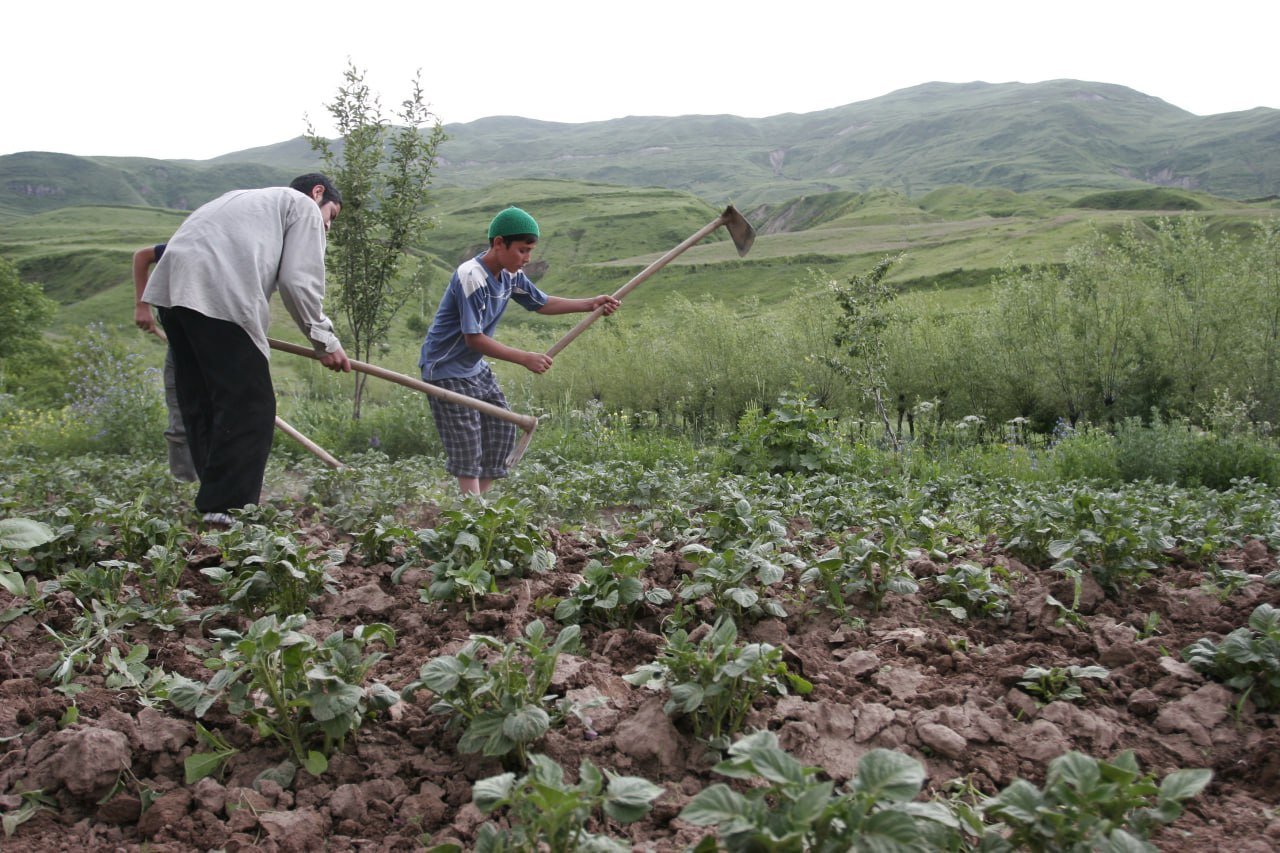
    A farmer from one of the districts of republican subordination says that after the president’s instructions he was interested in the terms of the loans, but did not dare to take money from the bank.

    He has a small farm: vegetables, a small garden, several heads of livestock. Money is needed almost every season – for seeds, fertilizers, fuel, hiring workers, repairing equipment. But a loan, he said, is too much of a risk for such an economy.

    “

    “I understand that it is difficult to develop without money. But if you take out a loan, you need to be sure that the harvest will be good, the price will not fall, there will be water, and the equipment will not fail. And every season with us is a risk. It’s better to do it slowly, but without debt,” he says.

    According to the farmer, in agriculture it is impossible to accurately calculate income in advance. The harvest may be damaged by the weather, there may not be enough water, the price on the market may drop sharply just when the goods need to be sold.

    “The bank will wait for its payment every month. But the land doesn’t give money every month,” he says.

    photo asia+

    “Choryakkors of the XXI century”

    The second farmer we spoke with had already taken out loans; he was sure that the rates in Tajikistan were too high.

    According to the published conditions of banks and microfinance organizations, agricultural loans in somoni today are mainly issued at approximately 21–28% per annum. For some banks, rates start from 24–25%, for some products they reach 28%.

    “

    “If the loan is at 25%, this means that a quarter must be given to the bank. In the old days there were choryakkors (sharecroppers) – peasants who worked for the bais and gave away part of the harvest. Of course, now the system is different, but for a farmer 25% is a lot,” he says.

    With a loan of 1 million somoni at 24% per annum for 5 years, the monthly payment with an annuity schedule can be about 28.8 thousand somoni. Over the entire period, the farmer will pay approximately 1.73 million somoni, of which more than 700 thousand somoni are overpayments on interest.

    Annuity payment — This is a loan or loan repayment scheme in which the debt is repaid in equal installments over the entire term. The deposited amount remains fixed, but its internal ratio changes: at the beginning of the term, the lion’s share goes to pay interest, and at the end – to repay the principal debt.

    With a loan at 25% per annum for 3 years, the total amount of payments will be about 1.43 million somoni, and the overpayment will be approximately 431 thousand somoni. This does not take into account possible commissions, insurance and other expenses.

    For large farms, such amounts may be part of the business plan. For small dehkan farms, this is a risk that they are often not ready to take.

    photo asia+

    Who still takes loans?

    There is a third category of farmers – those who, despite high rates, still take out loans. They believe that in some areas borrowed money can pay off.

    One of the farmers says that a loan can be useful if the money is used not just “for the season,” but for something that will generate income for several years: a greenhouse, a refrigerator, drip irrigation, equipment, a livestock complex, processing or storage of products.

    “

    “If you take out a loan just for expenses, you may not get it. But if you invest in a greenhouse or equipment that will work for several years, then it makes sense to take the risk,” he says.

    According to him, an expensive loan can only be justified where the farmer controls sales and can sell products not immediately after harvest, but at a more profitable period. For example, if there is a refrigerator, agreements with customers or the possibility of recycling.

    The debate about “preferential” loans has been going on for a long time

    The problem of the high cost of loans for farmers has been raised for several years. Back in 2021, when Amonatbank launched the “Kishovarz-2021” campaign and offered farmers loans from 3 to 500 thousand somoni for up to 36 months at 18% per annum in national currency and 8% in foreign currency, economist Khojimuhamad Umarov criticized such conditions.

    He believed that even these loans could not be called truly accessible to agriculture.

    “

    “The interest on loans for farmers in Tajikistan should not exceed 10%,” Umarov said.

    photo asia+

    In his opinion, at a higher rate, the loan does not give the expected effect for farmers, because a significant part of the income is spent on servicing the debt. Today, when many agricultural loans in somoni are already offered at 21–28% per annumthis criticism sounds even more relevant.

    Money goes to consumption, not to fields

    The president also pointed this out at a meeting in May 2025. Despite the growth in the total volume of lending, the structure of loans issued did not correspond to the priorities of economic development.

    As we noted above, in January–April 2025, which the head of state spoke about, of the 9.1 billion loans allocated to agriculture, only 14%.

    And, judging by open aggregated data, there has been no turning point since then. The weighted average rate on loans in national currency increased from 22.1% in 2024 to 22.6% in 2025, and in January–April 2026 reached 24.11%.

    The share of agriculture in lending also did not increase: in 2024, the agricultural sector accounted for 12.7% of loans issued, in the first half of 2025 – 12.6%, and at the end of 2025 – 11.8%.

    It turns out that overall more money was invested in the economy, but agriculture did not receive a noticeably larger share of credit resources.

    What do banks offer?

    Formally, there are agrocredit products on the market. They are offered by both banks and microfinance organizations.

    Amonatbank indicates loans for agriculture in somoni from approximately 21% per annum depending on the term. Bank “Eskhata” offers agricultural loans for crop production, livestock farming and other areas of agriculture – up to 4 million somoni, for a period of up to 60 months, with a rate of 24% per annum. Agricultural equipment and future harvests can be accepted as collateral.

    Bank “Arvand” offers loans for growing crops and livestock at 25% in somoni, “Spitamen Bank” – agricultural loan at 28% in somoni, “Imon International” – product “Farovon” for farms and dehkan farms at 26% per annum.

    photo asia+

    There is also Islamic financing: for example, Tavhidbank offers the “Murabaha for Agriculture” product with fixed markup of 10%, but this is not a classic interest-bearing loan and operates on its own terms.

    That is, there is a choice on the market. But the main question is not only the availability of the product, but its cost, term, collateral and the farmer’s real ability to service the debt.

    “Agriculture is not a store where there is revenue every day”

    Farmers often say that banks value them in the same way as trade or services. But in agriculture, money works differently.

    “

    “Agriculture is not a store where there is revenue every day. Today you invested money, and you will receive results in a few months. And only if everything goes well,” says the farmer.

    A merchant can buy a product, sell it and return part of the loan in just a few weeks. The farmer invests money in land, seeds, fertilizers, water, equipment and workers. However, it depends on the weather, plant diseases, pests, market prices and access to water.

    For large farms, such expenses may be part of the business plan. For small dehkan farms, this is a risk that they are often not ready to take.

    If the loan is short and expensive, the farmer is forced to either risk the entire harvest or abandon development. Therefore, farmers believe that agriculture needs different conditions: longer terms, a grace period before harvest, lower rates, clear collateral requirements and separate programs for those who invest in storage, processing and water-saving technologies.

    photo asia+

    What’s the result?

    Banks and microfinance organizations have special products for agriculture, and the amounts for individual programs reach millions of somoni. But for many farmers, such loans remain expensive and risky.

    Some prefer to develop slowly, but without debt. Others believe that a rate of 24–28% actually “eats” a significant part of the future harvest. Still others still take out loans, but only if they see that the investment will have a long-term effect.
    Source link

    Related Posts

    “Helping every person.” The first international medical conference was held in Dushanbe
    Tajikistan

    “Helping every person.” The first international medical conference was held in Dushanbe

    June 22, 2026
    Uzbekistan has opened the door to the World Cup. Will Tajikistan be able to follow?
    Tajikistan

    Uzbekistan has opened the door to the World Cup. Will Tajikistan be able to follow?

    June 22, 2026
    Tajiks in Russia were reminded of the need to respect local culture and traditions
    Tajikistan

    Tajiks in Russia were reminded of the need to respect local culture and traditions

    June 21, 2026
    Tajikistan proposed creating an SCO energy platform
    Tajikistan

    Tajikistan proposed creating an SCO energy platform

    June 21, 2026
    Tajikistan received almost $10 million in humanitarian aid
    Tajikistan

    Tajikistan received almost $10 million in humanitarian aid

    June 21, 2026
    Agricultural production in Tajikistan: growth in livestock farming and decline in crop production
    Tajikistan

    Agricultural production in Tajikistan: growth in livestock farming and decline in crop production

    June 21, 2026
    Next Post
    Nobody experiments in someone else’s head, by Enrique Castillo

    Nobody experiments in someone else's head, by Enrique Castillo

    POPULAR NEWS

    The Minister of Justice reviews the experience of the judicial system and the development of justice in the Sahrawi state

    The Minister of Justice reviews the experience of the judicial system and the development of justice in the Sahrawi state

    June 21, 2026
    Colombia’s electoral body expects to give results in less than an hour

    Colombia’s electoral body expects to give results in less than an hour

    June 21, 2026
    How to build strength and muscle mass in a 15-minute workout, according to the world’s strongest man: “You’ll progress faster than 95% of the people I see at the gym”

    How to build strength and muscle mass in a 15-minute workout, according to the world’s strongest man: “You’ll progress faster than 95% of the people I see at the gym”

    June 22, 2026
    Poverty is not a side effect of the corruption looting of the budget of epic proportions, but its functional part – the Economy

    Poverty is not a side effect of the corruption looting of the budget of epic proportions, but its functional part – the Economy

    June 22, 2026
    (VIDEO) Disappeared underwater after jumping from a bridge in Mostar, rescued during panic

    (VIDEO) Disappeared underwater after jumping from a bridge in Mostar, rescued during panic

    June 22, 2026

    EDITOR'S PICK

    First batch of SkyGuardian drones arrives in Taiwan

    First batch of SkyGuardian drones arrives in Taiwan

    June 22, 2026
    A priest from Split criticized coach Dalić: “God does not support Croatia” – World Cup 2026

    A priest from Split criticized coach Dalić: “God does not support Croatia” – World Cup 2026

    June 21, 2026

    Police Charge Eight Men with Gang-Related Offences

    June 21, 2026

    Paris airports staff to strike on Thursday

    June 21, 2026

    Recent Posts

    • How to build strength and muscle mass in a 15-minute workout, according to the world’s strongest man: “You’ll progress faster than 95% of the people I see at the gym”
    • Poverty is not a side effect of the corruption looting of the budget of epic proportions, but its functional part – the Economy
    • (VIDEO) Disappeared underwater after jumping from a bridge in Mostar, rescued during panic
    • We will be ruled by the non-Christian right, 2.

      © 2026 Agentially - Navigating shifting sovereignties and global risk .

      Welcome Back!

      Login to your account below

      Forgotten Password?

      Retrieve your password

      Please enter your username or email address to reset your password.

      Log In
      No Result
      View All Result

        © 2026 Agentially - Navigating shifting sovereignties and global risk .

        This website uses cookies. By continuing to use this website you are giving consent to cookies being used. Visit our Privacy and Cookie Policy.