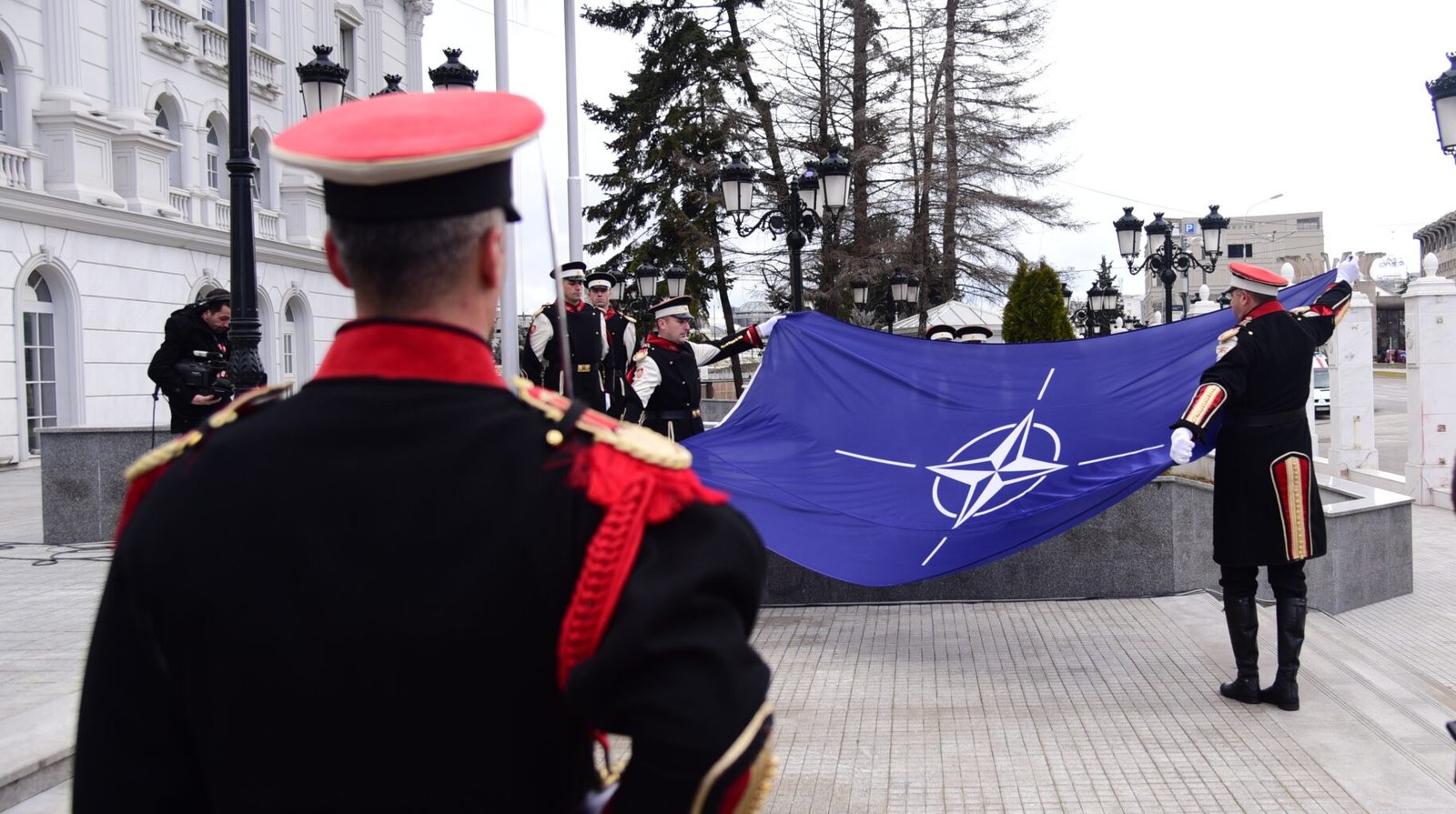
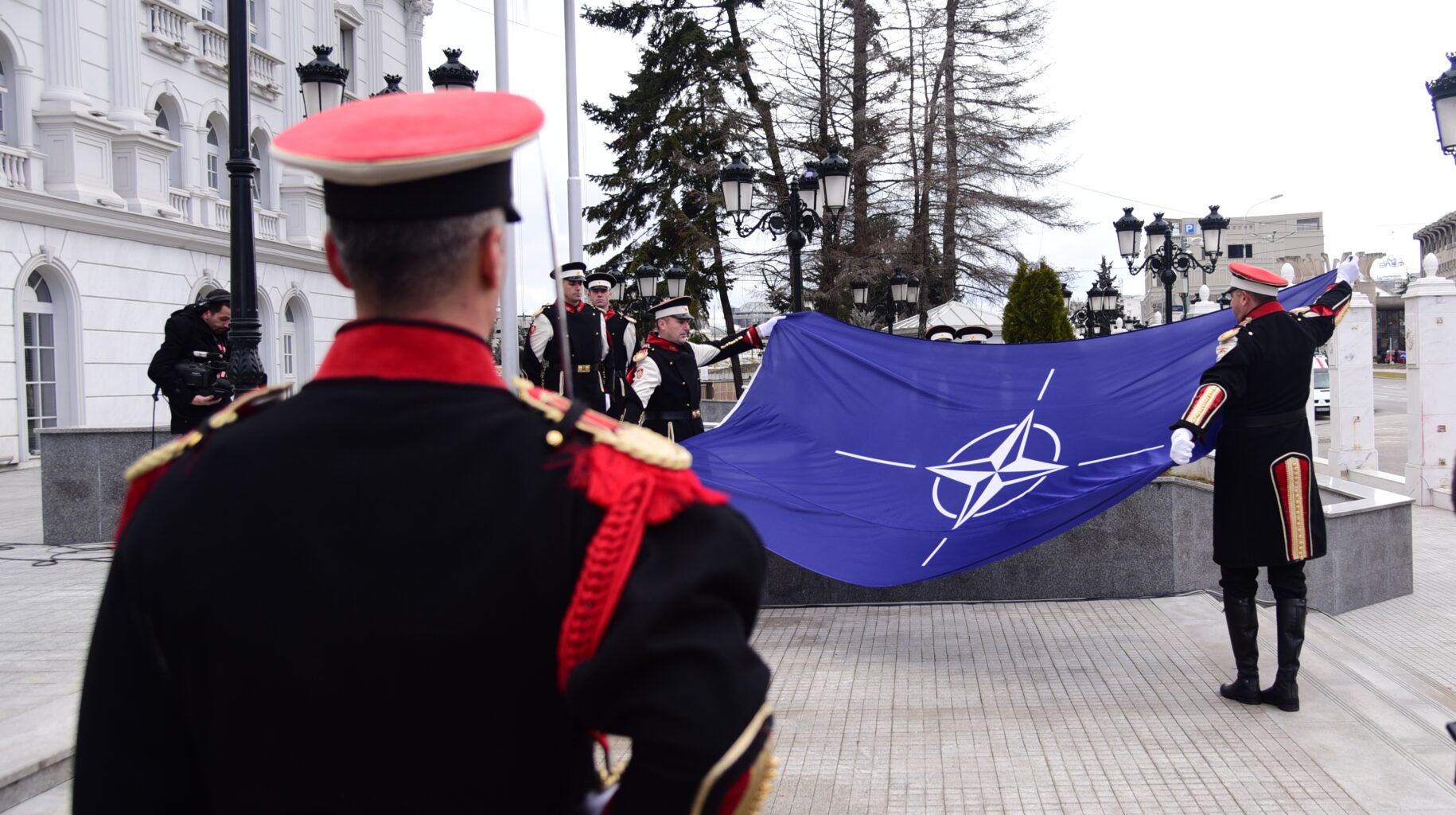
Can someone convey first hand to Macedonia what it means when the Secretary General of NATO, Rutte, says that it is “time to build NATO 3.0”?
- At a time when the new rules of Euro-Atlantic security are being written, Macedonia has the obligation and the right to use all its diplomatic and strategic capital.
At a time when NATO is carrying out the biggest transformation since its establishment, Macedonia has a rare advantage, which it has almost never possessed until now – its own representative in the highest structures of the Alliance.
Radmila Šekerinska, as Deputy Secretary General of NATO, is at the very center of the processes that will shape the future of European security. This does not mean that it can make decisions on behalf of Macedonia, nor that its function is national and not international. But her position enables something else – a timely understanding of trends, priorities and the direction in which the Alliance is moving.
This is exactly why the question arises why the Deputy Secretary General of NATO does not use this opportunity, within the possibilities that this capacity allows, to make herself available to the Macedonian institutions, and in general to help her country.
Namely, in a period when NATO 3.0 is being created, the country needs more strategic assessments, more expert debates and more information about how the new policies will affect the army, the defense budget, infrastructure and regional security.
Macedonia cannot influence global processes, but it can prepare for them in time.
That is why it would be useful for the public, institutions and the professional community to listen more often to the assessments and views of our highest-ranking representative in NATO. Not as a political-party figure, but as a person who follows first-hand the most important security changes in the modern world.
At a time when the new rules of Euro-Atlantic security are being written, Macedonia has the obligation and the right to use all its diplomatic and strategic capital. RS