The announcement of the imminent issuance of regulatory and implementation texts regulating organ transplantation from donors in the event of brain death constitutes an important step in the development of the Algerian health system, especially for patients who have been waiting for years for the opportunity to obtain a life-saving organ.
In this context, the President of the National Council of the Deanship of Algerian Physicians, Dr. Mohamed Bqat Berkani, confirmed that this decision is positive and comes at the right time, noting that organ transplantation operations need a clear legal framework that guarantees respect for medical and ethical standards and protects the rights of all parties concerned.
Baqat Berkani explained during an interview broadcast on Al-Khabar TV channel that transplanting organs from brain-dead people is not an issue specific to Algeria, but rather is subject to recognized international standards and standards. He added that determining the case of brain death must be done by specialists and experts in accordance with precise scientific controls, ensuring transparency and credibility in medical decision-making.
The head of the Deanship of Physicians believes that the issuance of these laws will contribute to expanding treatment opportunities for patients who suffer from serious diseases that require organ transplantation, such as kidneys or corneas, some of whom are forced to travel abroad and bear exorbitant financial costs in the hope of obtaining treatment.
The speaker also stressed the need to establish a culture of organ donation within Algerian society, considering that donation after death represents a noble humanitarian and solidarity act that gives a new lease of life to other patients. Stressing that strict ethical controls must be established that determine the conditions for donating and benefiting from transplanted organs.
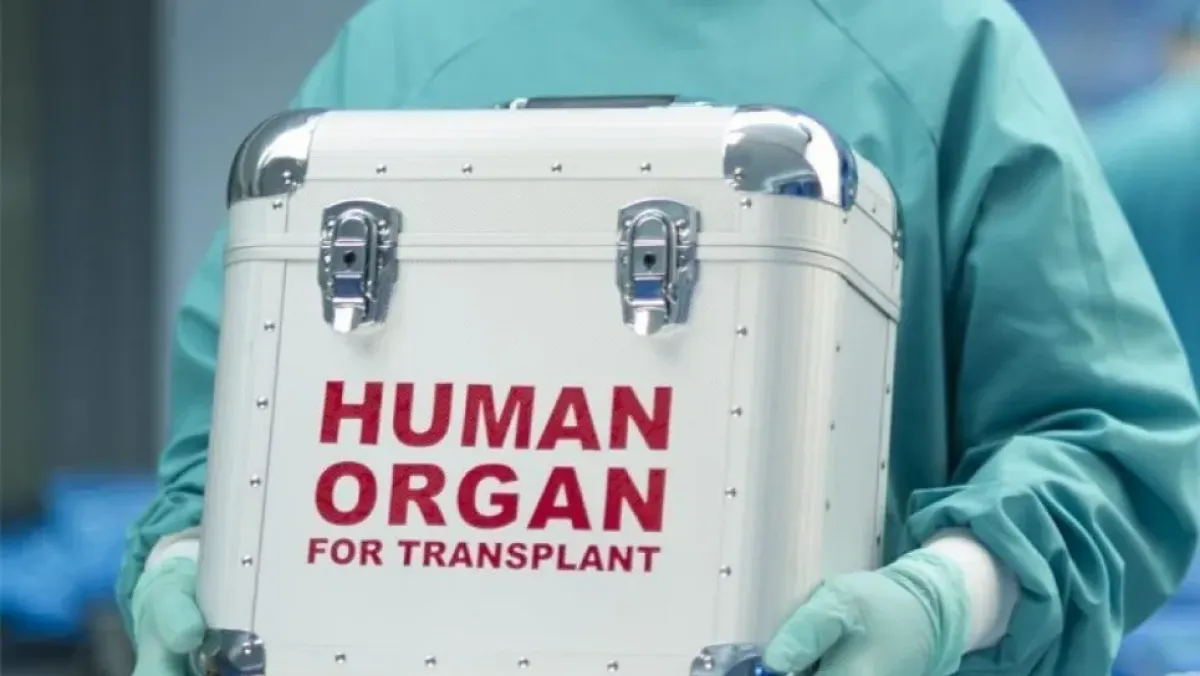
On the other hand, Baqat explained that the success of this step does not stop at organizing the organ removal process only, but also requires organizing transplant operations and providing the necessary human and technical capabilities within hospital institutions. Human organs are very sensitive and require special conditions for preservation and transportation, and they must be transplanted within a limited period of time to ensure their viability.
In this context, he called for the adoption of hospitals qualified to perform transplant operations, which have all the necessary logistical means and medical equipment, noting that many countries adopt rapid means of transportation, including airplanes, to ensure that organs reach patients in a timely manner and avoid damage.
It is expected that the entry into force of these regulatory texts will constitute a qualitative shift in the field of organ transplantation in Algeria, by strengthening the legal framework for the procedure, expanding treatment opportunities for patients, and establishing a culture of solidarity and donation that will save many lives.