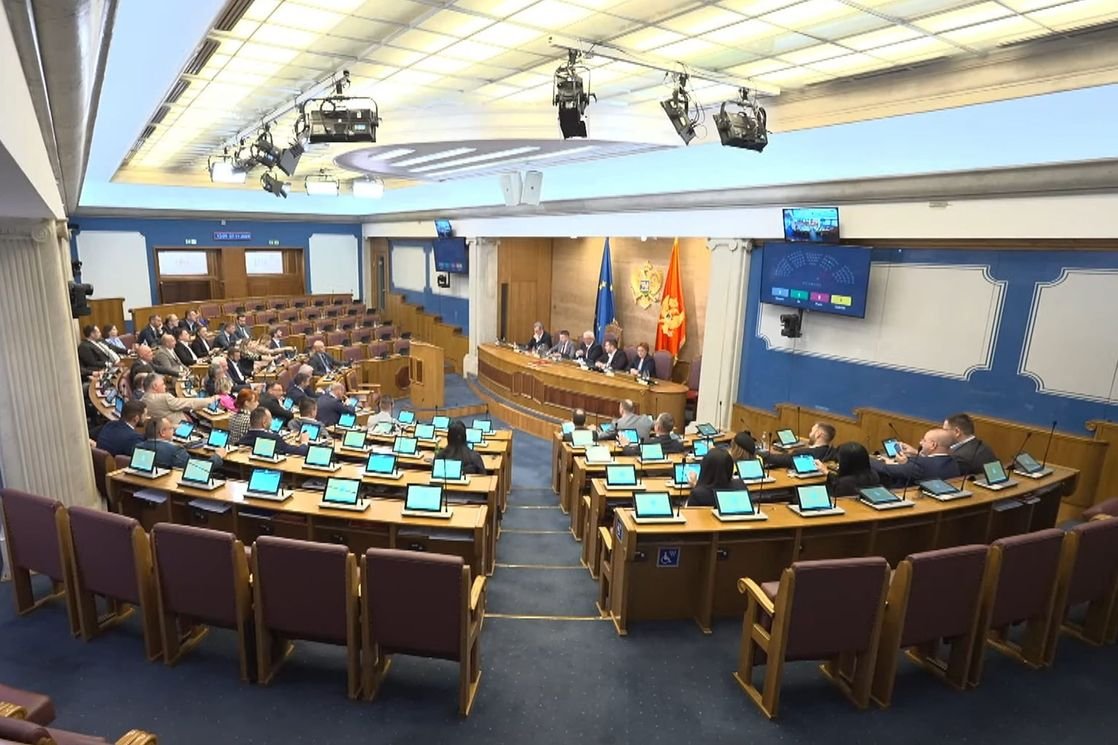
The agenda was announced at the very beginning of the session, so MPs will discuss proposals for laws on weapons and ammunition, on local self-government, on vehicle homologation of systems of vehicle components and special technical units, on electronic identification and trust services, amendments to the Law on Obligations, the Law on Civil Procedure, the Law on the Protection of Cultural Property, the Law on the Use of Energy from Renewable Sources, the Law on Liability for Environmental Damage, the Law on Medicines, the Law on Health and Safety at Work, of the Law on Working Conditions on Fishing Vessels, and the Law on Free Zones.
Vuković-Kuč: They are putting a demit facade and air conditioners on the building from 1815, let’s go there and invite others to join us
At the very beginning, Aleksandra Vuković-Kuč (DPS) spoke.
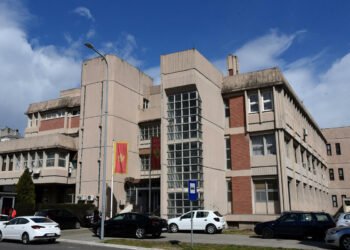
“The situation with the house of St. Peter Cetinjski on Rijeka Crnojevića, which has been protected as a cultural asset since 1950, is extremely alarming. The inspection has filed a criminal complaint. The reason is illegal works that have been going on for months, without a single consent or conservation permit,” she emphasized.
She reminded that the building from 1815 was damaged in a number of ways – from the installation of a demit facade to air conditioning.
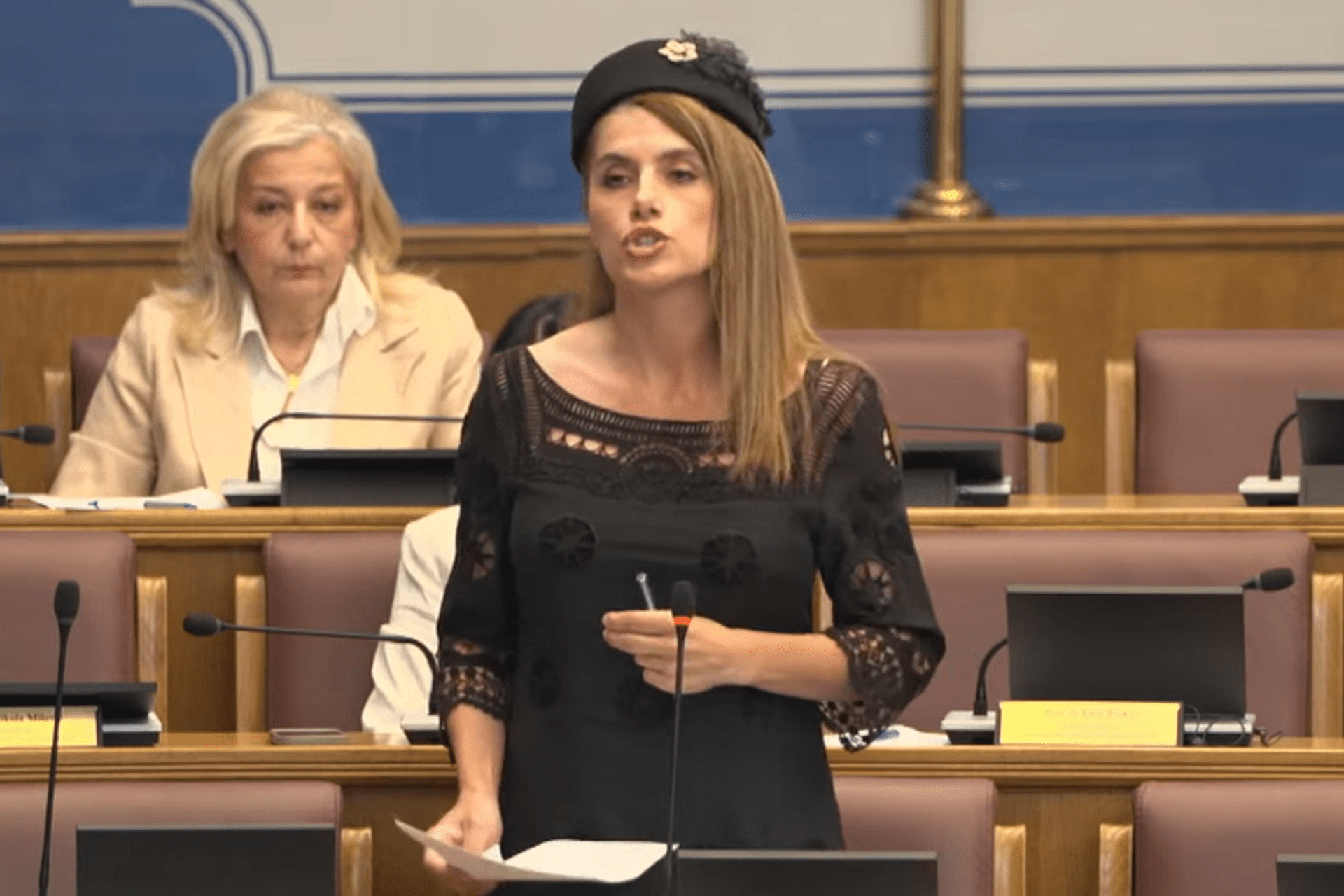
“It is particularly worrying that, on the land belonging to the Capital of Cetinje, the Metropolis of Montenegro and the Littoral is the user, and at the same time it is registered as the owner of the building. This legal inconsistency has not been resolved, and under its auspices, the systemic devastation of cultural property has been going on for decades. Our demand is that the prosecutor’s office urgently determine who the investor is. A criminal complaint has been filed against an unknown person. Cetinje must protect its property,” said Vuković-Kuč.
As she added, DPS deputies will go to the scene, and she invited representatives of other parties to join them.
“We will try to find out what is happening there and stop the devastation while there is still time, and I think it has gone too far,” she added.
Nenezić: Đeljošaj to say who is putting pressure on him, and if he means us – see you in court
Branislav Nenezić (ES) introduced the attendees to their Draft Law on Free Zones.
“The law on free zones, which was adopted here in February, has obviously caused damage to the Montenegrin economy. We have an opportunity to correct it. Businessmen who operate in the free zone of the Port of Bar are worried, as are all shipping companies and two shipping companies. And yesterday we could read a statement by Niko Đeljošaj that, since the adoption of the new law, there has been pressure from the tobacco mafia to make changes to it. It will be nice to hear Đeljošaj at the committees and at the plenum, who put this on him pressures, and if he meant the members of the EC, who are the submitters of this act, then he will have to explain it in court,” he said.
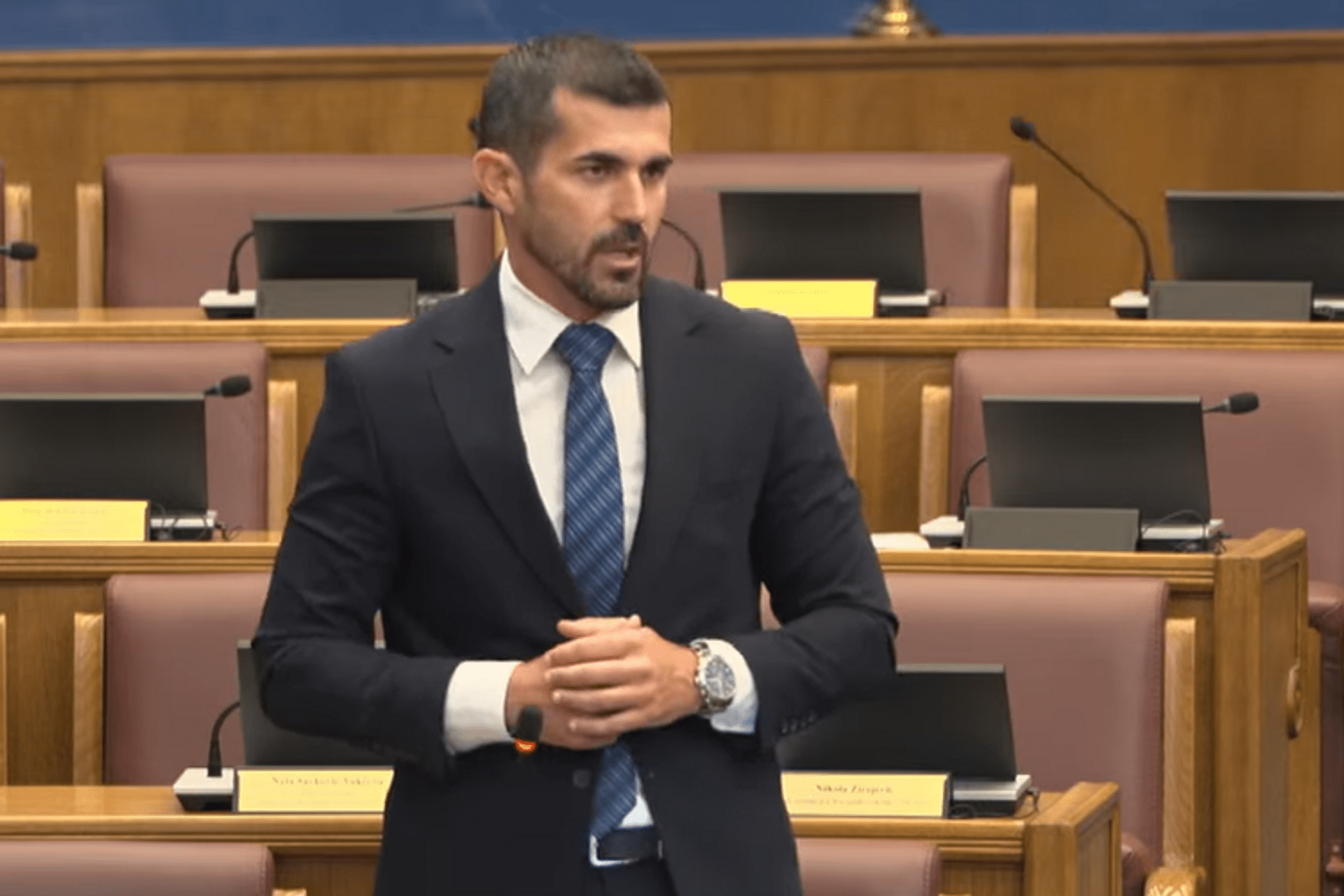
The law on free zones, he added, directly affects the economy of Bar and will lead to the shutdown of the port.
“The port of Bar was built where the city used to be. By shutting it down, you shut down a municipality,” he emphasized.
Azemović: Do not pass decisions on limiting voting rights without consulting the diaspora
After that, representatives of the Government were in front of the MPs, and Oskar Huter (DPS) asked the Minister of Diaspora, Mirsad Azemović, whether our emigrants will lose certain rights in Montenegro with the new legal solutions.
“Part of them are concerned about how long absence from the country can affect their residence status, and what evidence can confirm or deny residence. How do you view the draft act on amendments to the Law on the Register of Residence and Residence and how do you view the removal of Montenegrin citizens with temporary residence abroad from the voter list,” he asked.
Azemović replied that the ministry was not involved in the drafting of the aforementioned law, and that it was not submitted to them for comment.
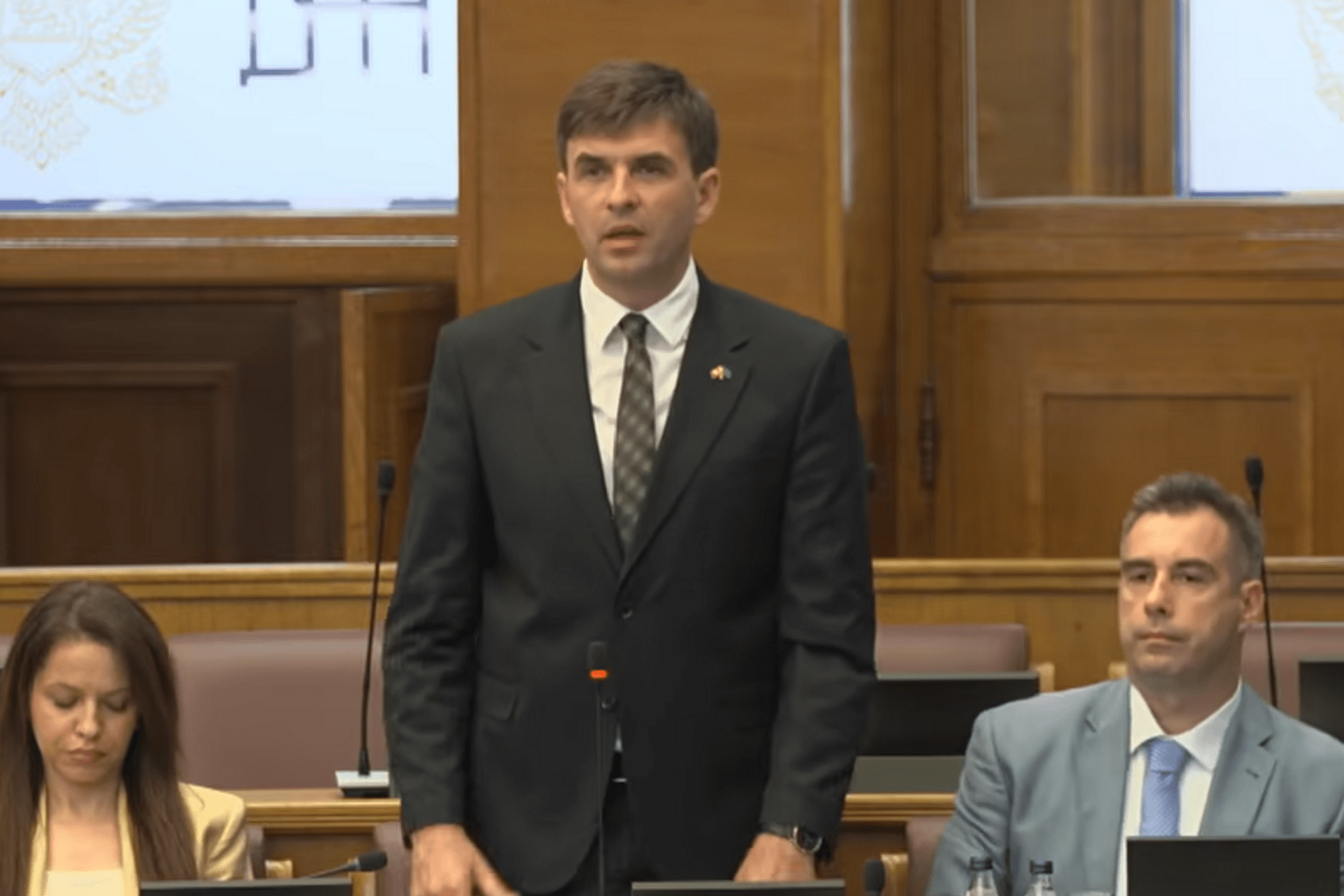
“We are unable to give an assessment of specific solutions that have not been officially submitted to us for consideration. If we are consulted by the authorities, we will represent the interests of our citizens who live and work abroad. We believe that issues that may affect the status of our citizens who are temporarily working abroad require their timely information and appropriate consultation with representatives of the diaspora and institutions responsible for cooperation with it,” said Azemović.
Any solution that would lead to the loss or limitation of voting rights for our citizens on temporary work abroad, he added, would require a special constitutional and legal analysis, as well as consultations with the diaspora.