OPEC emphasizes its strong expectations for oil demand, and does not see a peak on the horizon
Oil is heading for a 9% weekly decline as traders await the prospects of a truce

OPEC expects global oil demand to rise to 113.3 million barrels per day in 2030.
Brent crude is expected to record a weekly decline of 9% on Friday, with traders anticipating a decline in the chances of reaching a truce between the United States and Iran after the talks were canceled and Israel escalated its attacks in Lebanon.
Brent crude futures fell 24 cents, or 0.3%, to $79.61 a barrel by 11:00 GMT. The contract is heading towards recording a second weekly decline. In contrast, the July contract, the fastest-maturating contract for US West Texas Intermediate crude, which expires on Monday, rose 58 cents, or 0.8%, to $77.18 a barrel. While the August contract, the most actively traded, settled at $75.87 per barrel.
Switzerland said the United States would not hold talks with Iranian negotiators on a deal to end the conflict in the Middle East on Friday, after US Vice President J.D. Vance canceled his travel plans, adding to uncertainty about the prospects for a permanent truce.
“This reveals the difficult road ahead to achieve a complete and uninterrupted resumption of the flow of oil through the strait,” said Tamas Varga, an analyst at PVM Oil Associates. He added: “There is no doubt that the headlines related to the extended ceasefire agreement will continue to influence market trends.”
Both indicators recorded their lowest levels since the first days of the conflict on Thursday, as several tankers, including three Saudi-flagged ships carrying 6 million barrels of crude oil, crossed the strait hours after the American and Iranian presidents signed a temporary agreement to end the war between them.
Analysts expect that this agreement will allow more than 85 million barrels of oil stuck in the Arabian Gulf to be pumped to global markets. The agreement also includes lifting US sanctions on Iranian oil, which will increase supply.
About 20% of global oil and liquefied natural gas supplies pass through the Strait of Hormuz, but the recovery of flows and production after the US-Iranian agreement may take several months. Citi stated that the basic scenario, with a probability of 60%, expects flows to return to normal on a sustainable basis, with oil markets turning into surplus and prices gradually declining over the next six to twelve months to reach about $60-65 per barrel by the first quarter of 2027.
Commerzbank expected oil supply to gradually recover, and lowered its forecast for the price of Brent crude to $80 per barrel by the end of the year from $85, with prices expected to remain higher than pre-war levels during most of next year.
The Iraqi Oil Minister, Bassem Muhammad, announced that Iraqi oil fields are ready to resume production, and that production will gradually return to normal levels, returning to its previous rates.
On the demand side, OPEC expected, in its “World Oil Outlook 2026” report, that global demand would rise to 113.3 million barrels per day in 2030, compared to 105.1 million barrels per day in 2025.
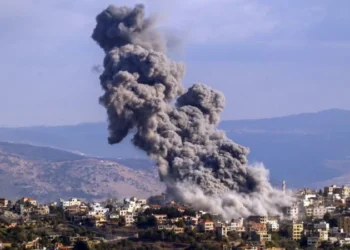
However, Israel continues its war against Hezbollah in Lebanon, raising questions about the durability of the US-Iran peace deal.