Saturday, June 20, 2026
    The GeoStrategic Consensus
    No Result
    View All Result
    • Login
    • HOME
    • AMERICAS
      • Argentina
      • Brazil
      • Canada
      • Chile
      • Colombia
      • Costa Rica
      • Cuba
      • Dominican Republic
      • Ecuador
      • El Salvador
      • Greenland
      • Guatemala
      • Honduras
      • Mexico
      • Nicaragua
      • Panama
      • Paraguay
      • Peru
      • United States
      • Uruguay
      • Venezuela
    • ASIA-PACIFIC
      • Australia
      • Brunei Darussalam
      • Cambodia
      • China
      • Federated States of Micronesia
      • Fiji
      • Indonesia
      • Japan
      • Kiribati
      • Laos
      • Malaysia
      • Marshall Islands
      • Mongolia
      • Myanmar
      • Nauru
      • New Zealand
      • North Korea
      • Palau
      • Papua New Guinea
      • Philippines
      • Samoa
      • Singapore
      • Solomon Islands
      • South Korea
      • Taiwan
      • Thailand
      • Timor-Leste
      • Tonga
      • Tuvalu
      • Vanuatu
      • Vietnam
    • CARICOM
      • CARICOM – Non-English
        • Haiti
        • Suriname
      • CARICOM Associates
        • Anguilla
        • Bermuda
        • British-Virgin-Islands
        • Cayman-Islands
        • Curacao
        • Turks-and-Caicos
      • CARICOM English
        • Antigua and Barbuda
        • Barbados
        • Belize
        • Dominica
        • Grenada
        • Guyana
        • Jamaica
        • Montserrat
        • Saint Kitts and Nevis
        • Saint Lucia
        • Saint Vincent and the Grenadines
        • The Bahamas
        • Trinidad and Tobago
    • EURASIA
      • Armenia
      • Azerbaijan
      • Balarus
      • Georgia
      • Kazakhstan
      • Kyrgyzstan
      • Moldova
      • Russia
      • Tajikistan
      • Turkmenistan
      • Ukraine
      • Uzbekistan
    • EUROPE
      • Albania
      • Andorra
      • Austria
      • Bosnia and Herzegovina
      • Bulgaria
      • Croatia
      • Cyprus
      • Czech Republic
      • Denmark
      • Estonia
      • Finland
      • France
      • Germany
      • Greece
      • Holy See
      • Hungary
      • Iceland
      • Ireland
      • Italy
      • Kosovo
      • Latvia
      • Liechtenstein
      • Lithuania
      • Luxembourg
      • Malta
      • Monaco
      • Montenegro
      • Netherlands
      • North Macedonia
      • Norway
      • Poland
      • Portugal
      • Romania
      • San Marino
      • Serbia
      • Slovakia
      • Slovenia
      • Spain
      • Sweden
      • Switzerland
      • United Kingdom
    • MIDDLE EAST AND NORTH AFRICA
      • Algeria
      • Bahrain
      • Egypt
      • Iran
      • Iraq
      • Israel
      • Jordan
      • Kuwait
      • Lebanon
      • Lybia
      • Morocco
      • Oman
      • Palestinian Territories
      • Qatar
      • Saudi Arabia
      • Syria
      • Tunisia
      • Turkey
      • United Arab Emirates
      • Western Sahara
      • Yemen
    • SOUTH ASIA
      • Afghanistan
      • Bangladesh
      • Bhutan
      • India
      • Maldives
      • Nepal
      • Pakistan
      • Sri Lanka
    • SUB-SAHARAN AFRICA
      • Angola
      • Benin
      • Botswana
      • Burkina Faso
      • Burundi
      • Cabo Verde
      • Cameroon
      • Central African Republic
      • Chad
      • Comoros
      • Cote d’Ivoire
      • Democratic Republic of the Congo
      • Djibouti
      • Equatorial Guinea
      • Eritrea
      • Eswatini
      • Ethiopia
      • Gabon
      • Gambia
      • Ghana
      • Guinea
      • Guinea Bissau
      • Kenya
      • Lesotho
      • Liberia
      • Madagascar
      • Malawi
      • Mali
      • Mauritania
      • Mauritius
      • Mozambique
      • Namibia
      • Niger
      • Nigeria
      • Republic of the Congo
      • Rwanda
      • Sao Tome and Principe
      • Senegal
      • Seychelles
      • Sierra Leone
      • Somalia
      • South Africa
      • South Sudan
      • Sudan
      • Tanzania
      • Togo
      • Uganda
      • Zambia
      • Zimbabwe
    • HOME
    • AMERICAS
      • Argentina
      • Brazil
      • Canada
      • Chile
      • Colombia
      • Costa Rica
      • Cuba
      • Dominican Republic
      • Ecuador
      • El Salvador
      • Greenland
      • Guatemala
      • Honduras
      • Mexico
      • Nicaragua
      • Panama
      • Paraguay
      • Peru
      • United States
      • Uruguay
      • Venezuela
    • ASIA-PACIFIC
      • Australia
      • Brunei Darussalam
      • Cambodia
      • China
      • Federated States of Micronesia
      • Fiji
      • Indonesia
      • Japan
      • Kiribati
      • Laos
      • Malaysia
      • Marshall Islands
      • Mongolia
      • Myanmar
      • Nauru
      • New Zealand
      • North Korea
      • Palau
      • Papua New Guinea
      • Philippines
      • Samoa
      • Singapore
      • Solomon Islands
      • South Korea
      • Taiwan
      • Thailand
      • Timor-Leste
      • Tonga
      • Tuvalu
      • Vanuatu
      • Vietnam
    • CARICOM
      • CARICOM – Non-English
        • Haiti
        • Suriname
      • CARICOM Associates
        • Anguilla
        • Bermuda
        • British-Virgin-Islands
        • Cayman-Islands
        • Curacao
        • Turks-and-Caicos
      • CARICOM English
        • Antigua and Barbuda
        • Barbados
        • Belize
        • Dominica
        • Grenada
        • Guyana
        • Jamaica
        • Montserrat
        • Saint Kitts and Nevis
        • Saint Lucia
        • Saint Vincent and the Grenadines
        • The Bahamas
        • Trinidad and Tobago
    • EURASIA
      • Armenia
      • Azerbaijan
      • Balarus
      • Georgia
      • Kazakhstan
      • Kyrgyzstan
      • Moldova
      • Russia
      • Tajikistan
      • Turkmenistan
      • Ukraine
      • Uzbekistan
    • EUROPE
      • Albania
      • Andorra
      • Austria
      • Bosnia and Herzegovina
      • Bulgaria
      • Croatia
      • Cyprus
      • Czech Republic
      • Denmark
      • Estonia
      • Finland
      • France
      • Germany
      • Greece
      • Holy See
      • Hungary
      • Iceland
      • Ireland
      • Italy
      • Kosovo
      • Latvia
      • Liechtenstein
      • Lithuania
      • Luxembourg
      • Malta
      • Monaco
      • Montenegro
      • Netherlands
      • North Macedonia
      • Norway
      • Poland
      • Portugal
      • Romania
      • San Marino
      • Serbia
      • Slovakia
      • Slovenia
      • Spain
      • Sweden
      • Switzerland
      • United Kingdom
    • MIDDLE EAST AND NORTH AFRICA
      • Algeria
      • Bahrain
      • Egypt
      • Iran
      • Iraq
      • Israel
      • Jordan
      • Kuwait
      • Lebanon
      • Lybia
      • Morocco
      • Oman
      • Palestinian Territories
      • Qatar
      • Saudi Arabia
      • Syria
      • Tunisia
      • Turkey
      • United Arab Emirates
      • Western Sahara
      • Yemen
    • SOUTH ASIA
      • Afghanistan
      • Bangladesh
      • Bhutan
      • India
      • Maldives
      • Nepal
      • Pakistan
      • Sri Lanka
    • SUB-SAHARAN AFRICA
      • Angola
      • Benin
      • Botswana
      • Burkina Faso
      • Burundi
      • Cabo Verde
      • Cameroon
      • Central African Republic
      • Chad
      • Comoros
      • Cote d’Ivoire
      • Democratic Republic of the Congo
      • Djibouti
      • Equatorial Guinea
      • Eritrea
      • Eswatini
      • Ethiopia
      • Gabon
      • Gambia
      • Ghana
      • Guinea
      • Guinea Bissau
      • Kenya
      • Lesotho
      • Liberia
      • Madagascar
      • Malawi
      • Mali
      • Mauritania
      • Mauritius
      • Mozambique
      • Namibia
      • Niger
      • Nigeria
      • Republic of the Congo
      • Rwanda
      • Sao Tome and Principe
      • Senegal
      • Seychelles
      • Sierra Leone
      • Somalia
      • South Africa
      • South Sudan
      • Sudan
      • Tanzania
      • Togo
      • Uganda
      • Zambia
      • Zimbabwe
    No Result
    View All Result
    Agentially
    No Result
    View All Result
    Home ASIA-PACIFIC Taiwan

    Taiwan’s geothermal problem is above ground

    The Analyst by The Analyst
    June 20, 2026
    in Taiwan
    Taiwan’s geothermal problem is above ground


    Japan built the institutions Taiwan lacks for managing long-cycle energy risk, yet still failed to unlock its geothermal wealth — a reminder that institutional capacity matters, but does not guarantee delivery

    • By Romain Blachier / Contributing reporter

      READ ALSO

      Kazakhstan, Firebird ink US$10bn deal with Nvidia support

      Deadly Russian strikes hit landmark Kyiv cathedral

    Taiwan’s renewable shortfall is a problem of execution, not resources. Japan’s long-cycle, joined-up energy planning is the model worth studying — but what Taiwan can borrow is the institutional machinery, not the politics.

    When Nvidia CEO Jensen Huang (黃仁勳) used his visit to Taipei last month to warn that the country needs far more electricity, he was naming a constraint its own planners already know well: Taiwan Power Co (Taipower, 台電) expects demand from the semiconductor and artificial intelligence (AI) sector alone to exceed 5 gigawatts (GW) by 2030. The harder question is not whether to build more capacity but which kind, and whether the institutions exist to deliver it — a question Japan’s energy system has grappled with for decades.

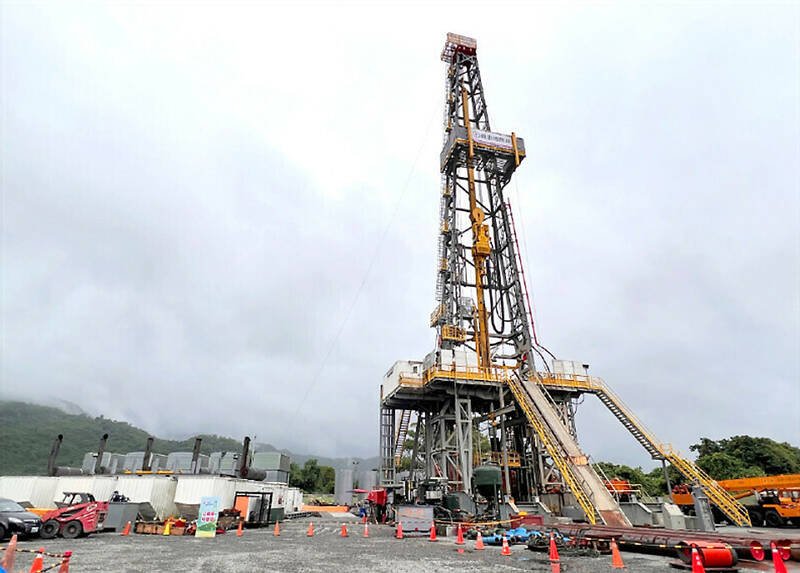
    Part 1 of this feature (“Why Taiwan’s energy transition keeps falling short,” May 27) argued that Taiwan’s shortfall is a failure of institutional follow-through rather than of geology, geography or capital. Geothermal makes the point. The government’s own surveys put the island’s deep geothermal potential at up to 40GW, of which about 10GW is realistically developable. What feeds the grid is trivial: the Tuchang plant in Yilan, which began generating in January, became the first in Taiwan to exceed 5 megawatts (MW). Every operating plant taps shallow hot water, not the deep, engineered reservoirs that next-generation geothermal needs. As Taiwan winds down its nuclear fleet, the gap falls largely to imported coal and gas — the opposite of where the country says it wants to go. The heat beneath Taiwan is not the constraint. Bringing it to the surface and onto the grid is.
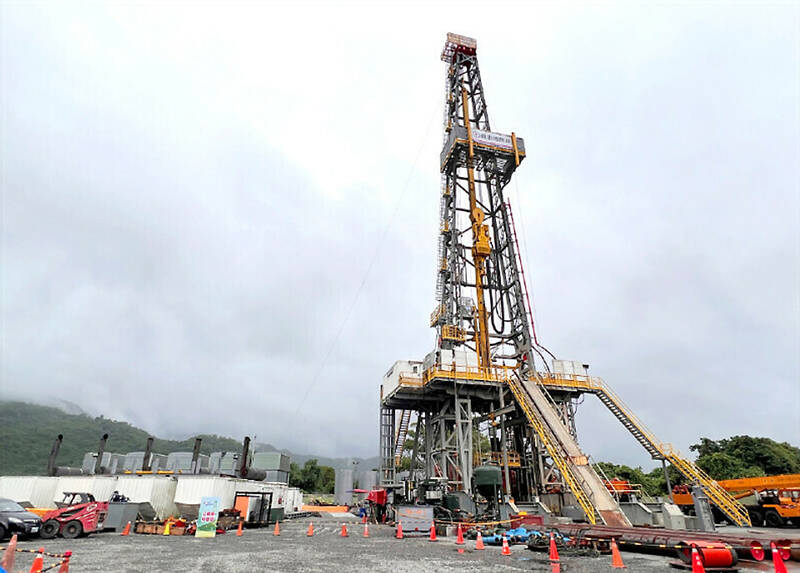
    Photo: Lin Ching-hua, Taipei Times

    EXPLORATION RISK

    Ask the few companies drilling in Taiwan what is missing, and the answer is consistent. For Alexander Helling, chief executive of Baseload Capital, which is developing projects at Tatun in the north and Hualien in the east, the binding constraint is exploration risk.

    A developer must sink wells costing hundreds of millions of dollars before knowing whether the resource below is worth exploiting; many disappoint, and no private company can shoulder that gamble alone. No Taiwanese mechanism shares it either: a power-purchase contract guarantees a price but does nothing about the risk that the drilling itself fails. Helling’s remedy is a single, empowered cross-agency body with firm deadlines, real power and a direct link to financing and risk-sharing.
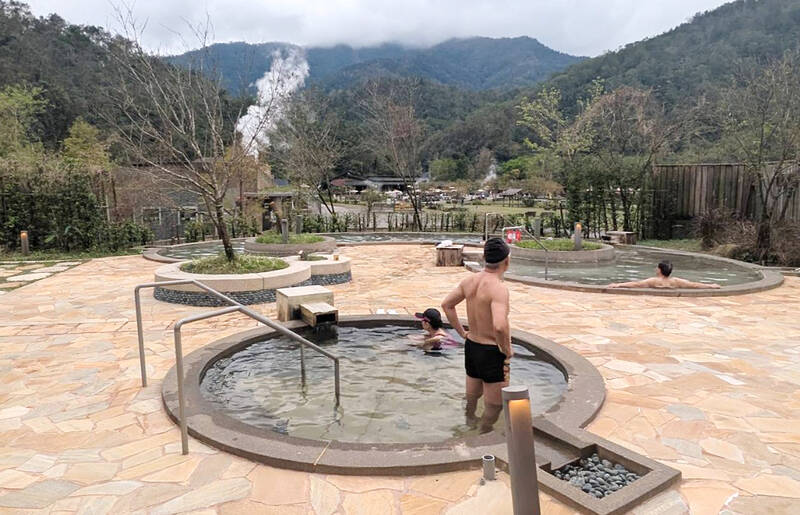
    Photo: Chiang Chih-hsiung, Taipei Times

    Sharing this kind of upfront risk is something Japan has spent decades building into its institutions. Its state-owned energy and minerals agency, Japan Oil, Gas and Metals National Corp (JOGMEC), takes equity stakes in mining projects abroad, holds strategic stockpiles and guarantees to buy output years ahead, so private investors are not left exposed — the logic behind the joint critical-minerals group it agreed to the US in October last year, under the Ministry of Economy, Trade and Industry (METI). For Taiwan, the lesson is the method, not the mineral: a state prepared to absorb the risk that private capital will not.

    CAUTIONARY TALE

    Yet Japan is also a cautionary tale on the very resource at issue. JOGMEC’s mandate has included geothermal since 2012, and Japan sits on the world’s third-largest geothermal reserves, estimated at about 23GW. Even so, geothermal still only provides about 0.3 percent of the country’s electricity. The machinery is not the obstacle; entrenched local interests are. Roughly 80 percent of the resource lies inside national parks, and the powerful hot-spring industry has resisted it for decades.

    Seen from inside Taiwan’s own system, the picture looks less like gridlock. The Industrial Technology Research Institute (ITRI) describes the offshore-wind build-out as agencies genuinely cooperating: the transport, defense and agriculture ministries jointly redrew parts of the Taiwan Strait shipping lanes to free sea space for wind farms, a decision that crossed three bureaucracies and touched a national-security nerve. As of March, installed offshore wind capacity had reached 4.5GW, according to the Ministry of Economic Affairs (MOEA), among the leading in the Asia-Pacific. Finance tells the same story. Offshore wind will need close to NT$2 trillion in financing by 2035, the government estimates, and in October 2024 the Executive Yuan raised the national credit-guarantee ratio from 60 to 80 percent to coax cautious lenders in. Taiwan can do it, when political will is concentrated on a single sector.

    On geothermal, the bottleneck is at last drawing a response. The MOEA has proposed amendments to the Renewable Energy Development Act (再生能源發展條例) that would define geothermal as a national natural resource and create a clearer legal basis for directional drilling. The 2026 feed-in tariff now carries a dedicated rate for next-generation geothermal for the first time. Meanwhile, Taiwan’s geothermal policy framework now points toward a national target of 6GW by 2050.

    Whether such cooperation can be sustained is the harder question, and the record is mixed. The clearest test is the one Part 1 examined: the long friction with the EU over local-content rules in the third round of offshore-wind auctions. What that exposed was not an inability to coordinate one decision, but a failure to hold a steady signal across auction rounds and changes of government — enough to push several European developers out of the market.

    Holding a course steady over years is what Japan’s system is built to do, and where the comparison grows delicate. METI’s energy blueprint, revised on a fixed cycle and negotiated among ministries before publication, is meant to survive changes of government. But part of that continuity is political, not institutional: the near-monopoly of the Liberal Democratic Party has spared Tokyo the test of handing an energy strategy to a successor determined to undo it. Taiwan has no such cushion, and should not want one — its lively alternation between the Democratic Progressive Party (DPP) and the Chinese Nationalist Party (KMT) is the mark of a healthy democracy, and precisely what makes holding a single line across a decade so hard. And because almost all the nation’s electricity is bought by one utility, Taipower, risk gathers in a single place rather than spreading across many buyers.

    The window Jensen Huang pointed to is real. Taiwan’s challenge is to build an institution with a horizon longer than the next election, with the authority and balance sheet to carry the risks no single developer will. Even that guarantees nothing: Japan has had such institutions for years and still leaves its geothermal reserves in the ground. The shortfall was never a lack of resources, capital or policy, but the failure to turn all three into electricity on the grid — and by that measure, the only one that counts, neither the model nor its student can yet claim success.

    Romain Blachier is an associate fellow at the Fondation Jean-Jaures. He works in the renewable energy sector and teaches political science.

    Source link

    Related Posts

    Kazakhstan, Firebird ink US$10bn deal with Nvidia support
    Taiwan

    Kazakhstan, Firebird ink US$10bn deal with Nvidia support

    June 20, 2026
    Deadly Russian strikes hit landmark Kyiv cathedral
    Taiwan

    Deadly Russian strikes hit landmark Kyiv cathedral

    June 20, 2026
    Swiss reject cap on population
    Taiwan

    Swiss reject cap on population

    June 20, 2026
    AI propaganda is governance issue
    Taiwan

    AI propaganda is governance issue

    June 19, 2026
    Beijing reporter ban was own goal
    Taiwan

    Beijing reporter ban was own goal

    June 19, 2026
    EDITORIAL: What will the Fed do now?
    Taiwan

    EDITORIAL: What will the Fed do now?

    June 19, 2026
    Next Post
    The ‘Extreme Job’ duo is back — and Netflix is betting their dumb fun goes global

    The 'Extreme Job' duo is back — and Netflix is betting their dumb fun goes global

    POPULAR NEWS

    Second round results Peru 2026 Elections LIVE: ONPE count, electoral flash and who wins between Keiko Fujimori and Roberto Sánchez today, June 7

    Second round results Peru 2026 Elections LIVE: ONPE count, electoral flash and who wins between Keiko Fujimori and Roberto Sánchez today, June 7

    June 19, 2026
    Students take to streets to protest rising fuel prices, living costs – Politics

    Students take to streets to protest rising fuel prices, living costs – Politics

    June 19, 2026
    Shakira and Nancy.. How did they become the “icons” of the World Cup songs? – Saudi Arabia News

    Shakira and Nancy.. How did they become the “icons” of the World Cup songs? – Saudi Arabia News

    June 19, 2026
    Silver for Andersson, barely a second away from gold

    Silver for Andersson, barely a second away from gold

    June 20, 2026
    Boats, bankers and borders: five symbols that sum up Brexit a decade on | Brexit

    Boats, bankers and borders: five symbols that sum up Brexit a decade on | Brexit

    June 20, 2026

    EDITOR'S PICK

    Premium modules and miniature houses: what they are like and how much they are worth the properties that are gaining ground on traditional construction

    Premium modules and miniature houses: what they are like and how much they are worth the properties that are gaining ground on traditional construction

    June 20, 2026
    Turkmenistan participated in the 11th UNESCO General Assembly for the Safeguarding of Intangible Cultural Heritage

    Turkmenistan participated in the 11th UNESCO General Assembly for the Safeguarding of Intangible Cultural Heritage

    June 20, 2026
    Armenian tomatoes will be exported to Europe – ARMENPRESS Armenian News Agency

    Armenian tomatoes will be exported to Europe – ARMENPRESS Armenian News Agency

    June 19, 2026

    12

    June 20, 2026

    Recent Posts

    • Silver for Andersson, barely a second away from gold
    • Boats, bankers and borders: five symbols that sum up Brexit a decade on | Brexit
    • Driver dead and 33 people seriously injured as Bedford train crash declared major incidentThe crash, which happened at about 17:15 BST, has left almost 90 people hurt.1 hr agoBeds, Herts & Bucks
    • Daniel Areny will receive the Order of Charlemagne of Andorra for his contribution to choral music

      © 2026 Agentially - Navigating shifting sovereignties and global risk .

      Welcome Back!

      Login to your account below

      Forgotten Password?

      Retrieve your password

      Please enter your username or email address to reset your password.

      Log In
      No Result
      View All Result

        © 2026 Agentially - Navigating shifting sovereignties and global risk .

        This website uses cookies. By continuing to use this website you are giving consent to cookies being used. Visit our Privacy and Cookie Policy.