In a judicial development that may cast a shadow over the US midterm elections scheduled for next November, a federal court in Boston allowed Democratic states and voting rights organizations to continue legal appeals against the executive order issued by President Donald Trump regarding voting by mail.
Federal Judge Indira Talwani issued a ruling requiring the case to continue, considering that the potential repercussions of the presidential decision on the upcoming elections make it necessary to decide the case during the current stage, and not postpone it until the final executive regulations are issued.
The importance of timing
The court confirmed that the executive order includes direct directions to federal agencies to implement specific procedures within clear timetables, which may be reflected in voting mechanisms and election management in the coming months.
The judge believed that delaying judicial review could cause potential harm to the appellants, especially with the approaching electoral elections and the associated primaries.
On the other hand, the court indicated that some of the executive aspects of the decision are still unresolved, in light of the failure to adopt the final regulations by the competent authorities, including the Department of Homeland Security and the US Postal Service, which prompted it to exclude some appeals related to the subsequent elections while maintaining the possibility of resubmitting them in the future.
Welcome and objection
The plaintiffs, including the League of American Women Voters and organizations supported by the American Civil Liberties Union, welcomed the ruling, considering that the court recognized the sensitivity of the case and the importance of resolving it before the upcoming elections.
On the other hand, White House spokeswoman Abigail Jackson confirmed that the administration will continue to defend the president’s decision, stressing that ensuring the integrity and security of the elections represents one of the main axes of Trump’s agenda.
Decision details
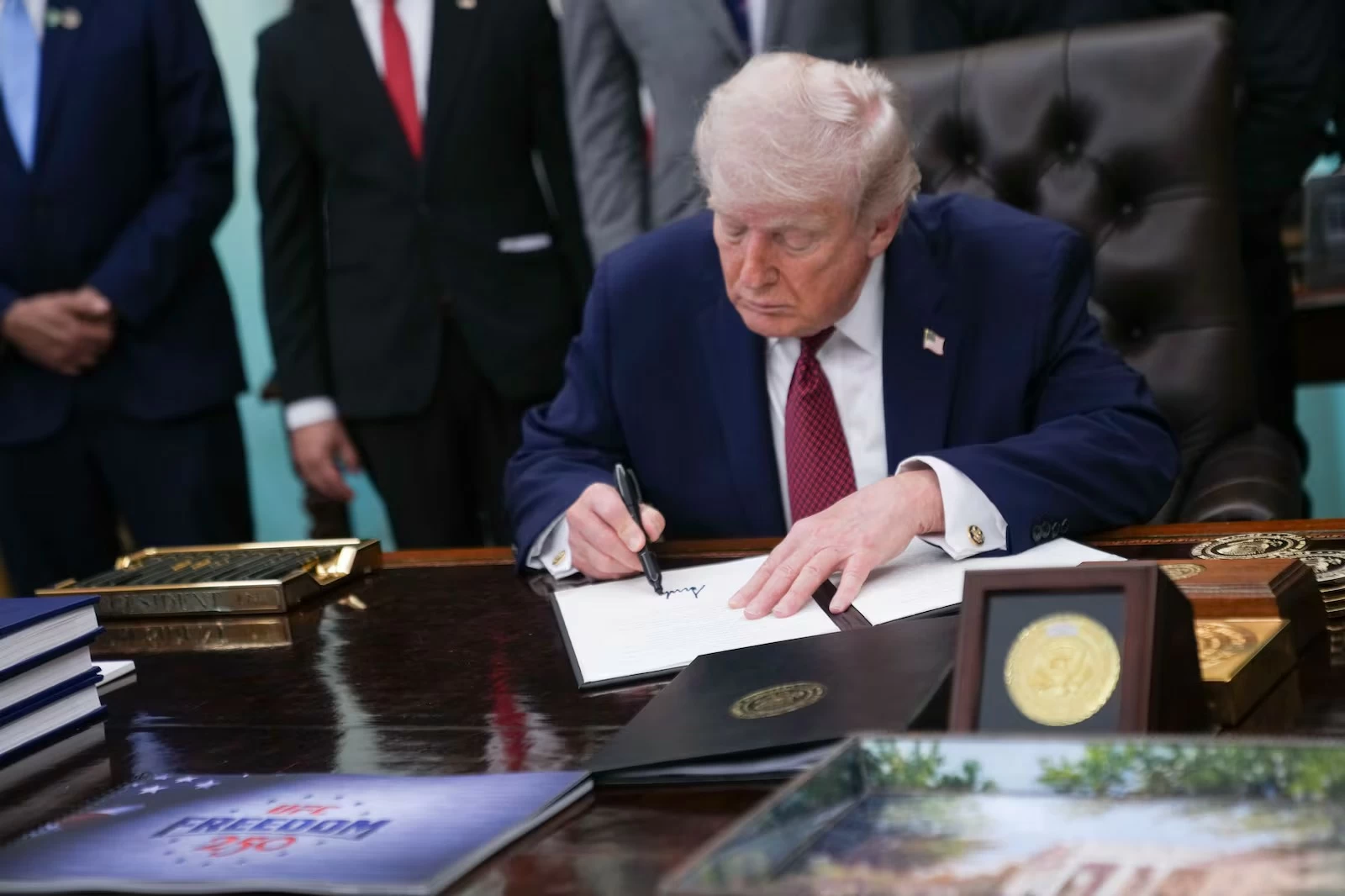
President Donald Trump signed the executive order on March 31, as part of his efforts to tighten controls related to voting by mail, a file that has been the focus of his criticism since the 2020 elections.
The decision mandates that the Department of Homeland Security prepare lists of eligible voters based on citizenship and naturalization records and federal databases, and send them to the states. It also requires the Postal Service to deliver ballots to voters only on the approved lists for voting by mail.
The decision also includes giving the Department of Justice priority to investigate and prosecute local and state election officials who issue federal ballots to people whom authorities consider ineligible to vote.
Constitutional dispute
The 23 plaintiff states in addition to the District of Columbia believe that the decision exceeds the constitutional powers of the president, considering that the management of federal elections falls within the jurisdiction of the states according to the US Constitution, and is not within the powers of the federal executive authority.
The case is seen as one of the most prominent legal confrontations related to the upcoming US elections, in light of the ongoing controversy over the rules of mail-in voting and the limits of the federal government’s powers to regulate the electoral process.
In a judicial development that may cast a shadow over the upcoming US midterm elections scheduled for next November, a federal court in Boston has allowed Democratic states and voting rights organizations to continue their legal challenges against the executive order issued by President Donald Trump regarding mail-in voting.
Federal Judge Indira Talwani ruled that the case will continue, considering that the potential implications of the presidential decision on the upcoming elections make it necessary to address the issue at this stage, rather than postponing it until the final executive regulations are issued.
The Importance of Timing
The court emphasized that the executive order includes direct instructions to federal agencies to implement specific procedures within clear timelines, which may affect voting mechanisms and election management in the coming months.
The judge noted that delaying judicial review could cause potential harm to the challenging parties, especially with the approaching election deadlines and the associated primaries.
Conversely, the court pointed out that some executive aspects of the decision are still unresolved, given that the final regulations have not been adopted by the relevant authorities, including the Department of Homeland Security and the US Postal Service, which led it to dismiss some challenges related to subsequent elections while keeping the possibility of reintroducing them in the future.
Welcome and topics
The plaintiffs welcomed the ruling, including the League of Women Voters and organizations supported by the American Civil Liberties Union, considering that the court recognized the sensitivity of the issue and the importance of resolving it before the upcoming elections.
In contrast, White House spokesperson Abigail Jackson confirmed that the administration will continue to defend the president’s decision, emphasizing that ensuring the integrity and security of elections is one of the main pillars of Trump’s agenda.
Details of the decision
President Donald Trump signed the executive order on March 31, as part of his efforts to tighten regulations related to mail-in voting, a topic he has criticized since the 2020 elections.
The order mandates the Department of Homeland Security to prepare lists of eligible voters based on citizenship and naturalization records and federal databases, and to send them to the states. It also requires the Postal Service to deliver ballots only to voters listed on the approved mail-in voting lists.
The order also includes prioritizing the Department of Justice to investigate and prosecute local and state election officials who issue federal ballots to individuals deemed ineligible to vote by the authorities.
Constitutional Dispute
The plaintiff states, numbering 23 states plus the District of Columbia, believe that the decision exceeds the constitutional powers of the president, arguing that federal election administration falls within the jurisdiction of the states under the US Constitution and is not within the powers of the federal executive branch.
The case is viewed as one of the most prominent legal confrontations related to the upcoming US elections, amid ongoing debate over mail-in voting rules and the limits of federal government authority in regulating the electoral process.