For men of Mohamed Ouahbithis meeting against the “Tartan Army” is not a simple step, but the real turning point of their first American tour. The point won against the Seleção confirmed that the Moroccan grinta had remained intact under the leadership of the new coach, but this must now be improved by a victory.
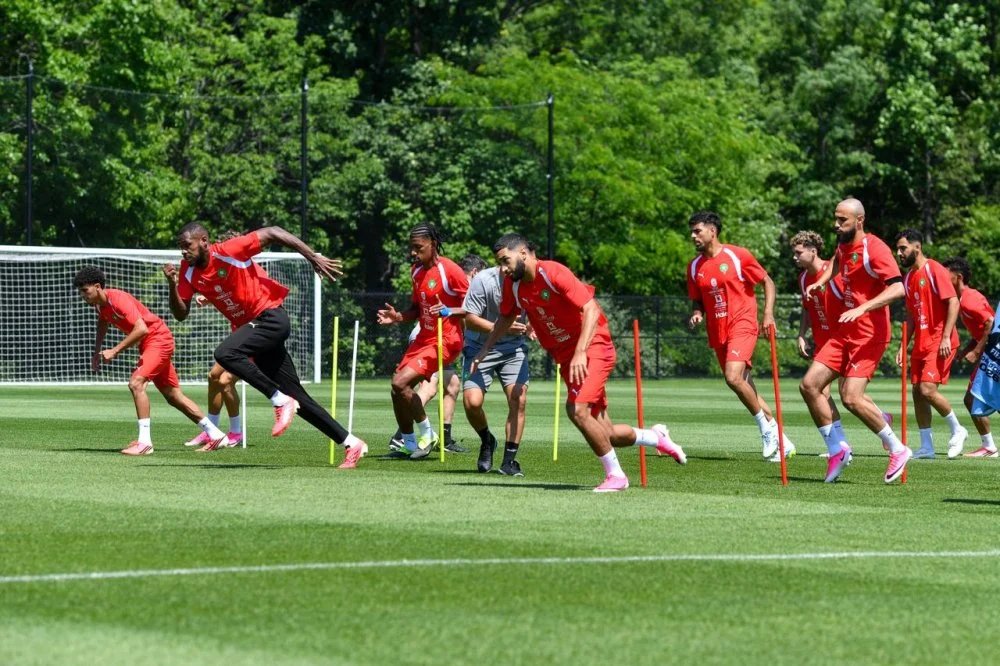
A success would propel the Morocco to four points before concluding the group stage against Haiti, an ideal scenario to avoid last minute calculations. Aware of the capital importance of this shock, the Lions of the Atlas benefited from careful preparation in their base camp in New Jersey. Mohamed Ouahbi placed the emphasis on physical recovery after the excess of energy shown against Brazil, while refining his tactical principles based on rapid offensive animation in order to bypass a possible Scottish low block.
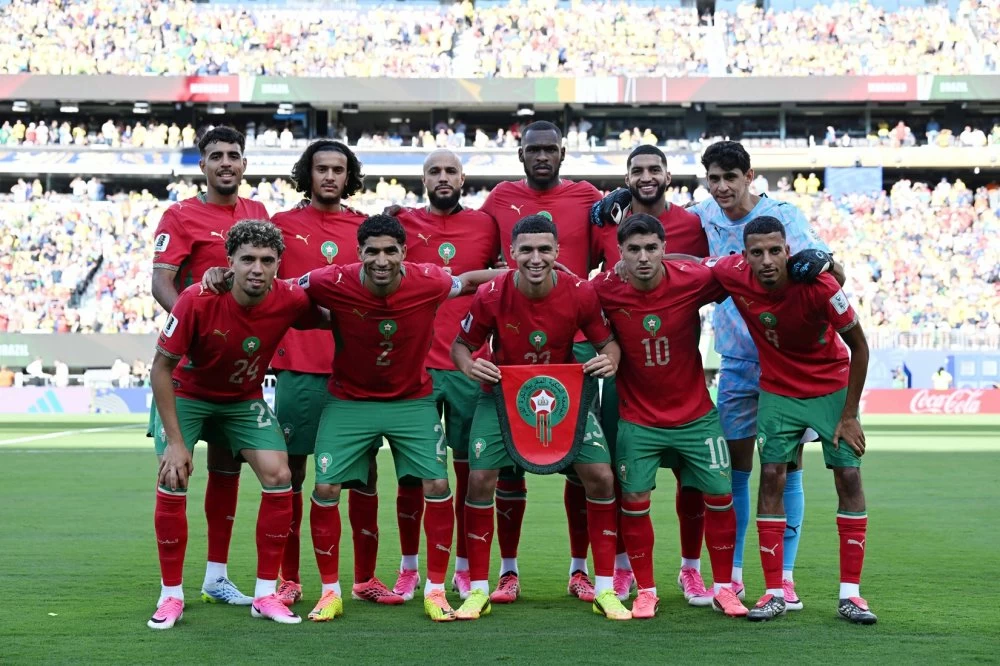
Carried by executives like Achraf Hakimi and young talents on the rise, likeAyyoub BouaddiMorocco approaches this meeting with the certainty of having the necessary weapons to win in this second meeting of Group C. Concentration is maximum in training, where the emphasis has been placed on the speed of transitions and efficiency in front of goal, two essential keys to breaking the Scottish barrier. The Atlas Lions know that success would fully validate their ambitions in this tournament.
A “Tartan Army” in full confidence
In front, Scotland by Steve Clarke approaches this meeting without the slightest complexion. Invigorated by their inaugural victory against Haiti thanks to an achievement of John McGinnthe British temporarily occupy the lead of Group C and enjoy their first World Cup success since 1998.
The main strength of this team lies in its rigorous defensive organization and constant solidarity. Its midfielder, led by the tireless Scott McTominayexcels in physical impact, intense pressing and the exploitation of set pieces.
However, this Scottish formation also presents flaws that the Morocco intends to exploit. Facing HaitiL’Scotland displayed a clear lack of technical mastery and creativity in positional play, suffering the pace for much of the second half before relying on the decisive saves of their goalkeeper Angus Gunn.
Facing mobile and technically superior teams, the Scots often tend to fall back and concede dangerous fouls on the outskirts of their area. If the Moroccan creative circles manage to impose a high pace while depriving the “Tartan Army” of its aerial game, gaps in the Scottish system could quickly appear in the heat of Boston.
A history tinged with revenge between Morocco and Scotland
The history of this confrontation gives a very particular flavor to this meeting of Boston. Indeed, Scots and Moroccans have only faced each other once in World Cupa duel that remains engraved in memories.
It was in 1998, in France, on the last day of the group stage, already in a group where Brazil appeared. That day, at the Geoffroy-Guichard stadium in Saint-Étienne, the Atlas Lions brilliantly dominated the “Tartan Army” (3-0), thanks to a memorable double from Salaheddine Bassir and a goal from Abdeljalil Hadda, known as “Kamatcho”.
A resounding victory which had nevertheless transformed into immense disillusionment. Norway’s surprise success against Brazil (2-1), obtained in the last moments in Marseille, had deprived Morocco, like Scotland, of qualification for the next round.
Twenty-eight years later, although the faces have changed, the memory of this warm June evening remains vivid in the memories of supporters of the two nations. For Scotland, this meeting represents the ideal opportunity to erase this heavy historical setback. For Morocco, it is a question of confirming its supremacy against the Scots while offering itself, this time, a happier destiny in this American World Cup.