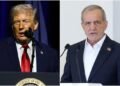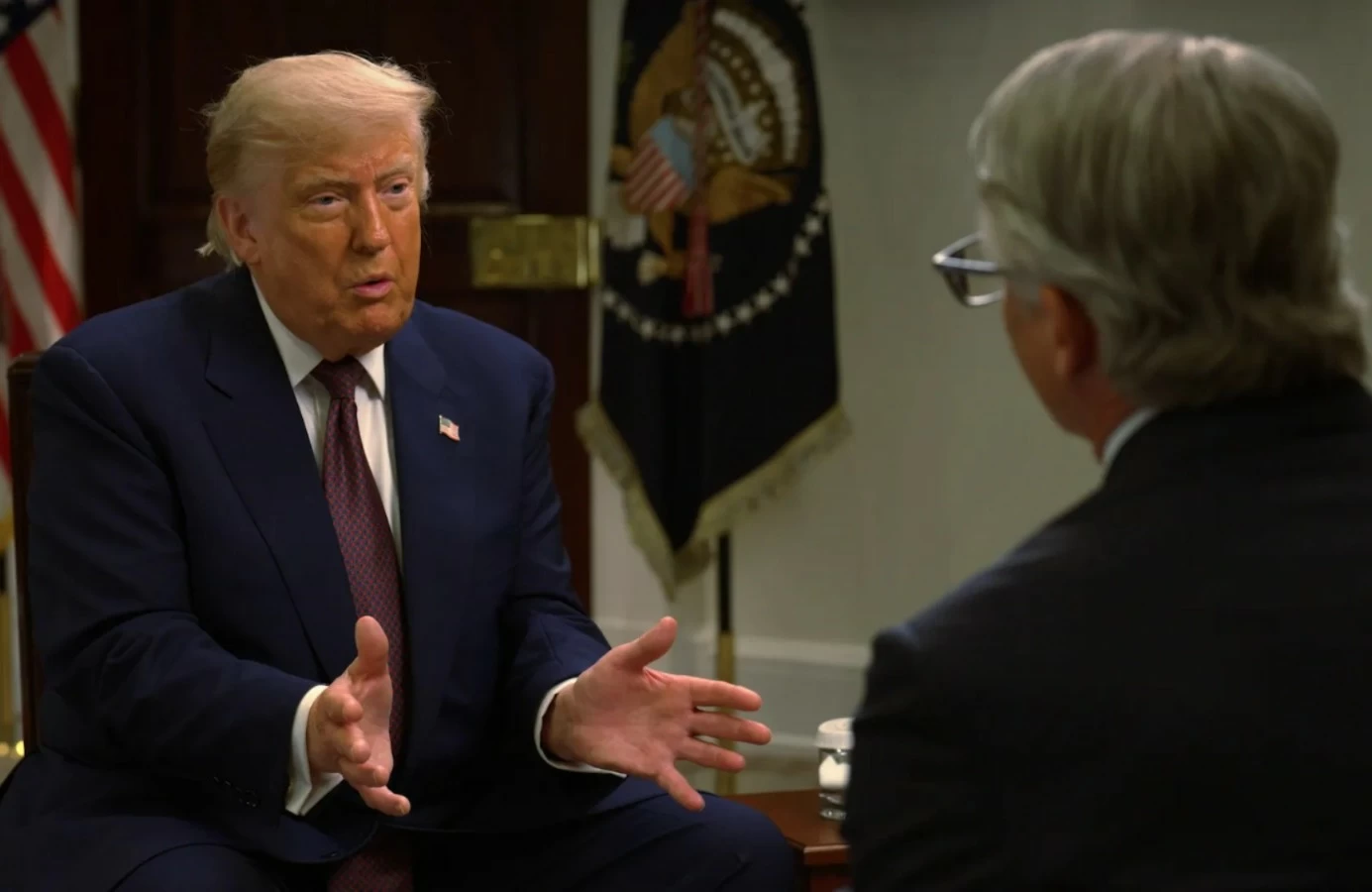
US President Donald Trump sparked a new wave of political and media controversy after statements in which he spoke about the limits of presidential power and his influence on the international scene, stressing that he had not found “any limits” to his power since the outbreak of the military confrontation with Iran.
During a lengthy interview with “The Axios Show,” Trump said that world leaders are aware of who has the decision and influence, in statements that observers considered an extension of his political discourse based on highlighting the strength of American leadership and the president’s role in shaping foreign policy directions.
The interview coincided with the unveiling of excerpts from a new book entitled “Regime Change” by journalists Maggie Haberman and Jonathan Swan, which deals with the scenes of the recent period within the circle close to the US President.
Historical comparisons
According to what was mentioned in the book, during one of the sessions, Trump reviewed a document comparing the amount of influence enjoyed by US presidents with historical figures associated with military and political power, including Alexander the Great, Attila, Genghis Khan, Napoleon Bonaparte, Joseph Stalin, Mao Zedong, and Adolf Hitler.
The book’s authors pointed out that Trump read parts of the document and talked about the differences between political influence in the modern era and previous historical eras, considering that the tools of the current era give leaders influence capabilities different from those possessed by rulers of the past.
international relations
During the interview, Trump spoke about his relations with a number of world leaders, saying that some leaders deal with him as the person with the greatest influence on the international scene.
He pointed out that his relationship with Israeli Prime Minister Benjamin Netanyahu is good, but stressed the importance of maintaining a degree of balance in managing the relationship between Washington and Tel Aviv.
He also praised Chinese President Xi Jinping and Indian Prime Minister Narendra Modi, describing Xi as “business-focused,” while describing Modi as a “strong personality.”
The G7 Summit and Iran
Trump touched on his participation in the G7 summit, which was held in France, referring to the reception he received and the dinner party held at the Palace of Versailles, considering that those moments carried special symbolism.
Regarding the foreign policy file, he defended his approach to the war with Iran, stressing that expanding the scope of the confrontation could have led to serious global economic repercussions.
He said that his decisions helped avoid greater economic turmoil, citing the decline in oil prices and improved market performance as indicators of the success of his choices.
He added that one of his main goals during his time in the White House was to avoid a major economic crisis, recalling the experience of former US President Herbert Hoover, whose name was associated with the Great Depression.
Power controversy
Trump republished the controversial document on his “Truth Social” platform, presenting its author as a “presidential historian,” while reports indicated that the document’s author was a person close to the famous golf player Gary Player.
The statements and the book reopened the debate within the United States about the limits of presidential power, and the role of the president’s personality in shaping the image of American leadership on the international scene, amid mounting controversy regarding the nature of the influence that Trump exercises inside and outside the White House.
US President Donald Trump sparked a new wave of political and media controversy after remarks in which he discussed the limits of presidential power and his influence on the international stage, asserting that he has found “no limits” to his authority since the outbreak of military confrontation with Iran.
In a lengthy interview with “The Axios Show,” Trump stated that world leaders recognize who holds the decision-making power and influence, in comments observers believed an extension of his political rhetoric aimed at highlighting the strength of American leadership and the president’s role in shaping foreign policy directions.
The interview coincided with the release of excerpts from a new book titled “Disrupting the System” by journalists Maggie Haberman and Jonathan Swan, which delves into the behind-the-scenes dynamics of the recent period within the close circle of the US president.
Historical Comparisons
According to the book, Trump reviewed a document during one of the sessions that compares the influence wielded by US presidents to historical figures associated with military and political power, including Alexander the Great, Attila, Genghis Khan, Napoleon Bonaparte, Joseph Stalin, Mao Zedong, and Adolf Hitler.
The authors of the book noted that Trump read parts of the document and discussed the differences between political influence in the modern era and previous historical periods, considering that the tools of the current age grant leaders different capacities for influence than those possessed by rulers of the past.
International Relations
During the interview, Trump spoke about his relationships with several world leaders, stating that some leaders treat him as the one with the greatest influence on the international stage.
He noted that his relationship with Israeli Prime Minister Benjamin Netanyahu is good, but emphasized the importance of maintaining a degree of balance in managing the relationship between Washington and Tel Aviv.
He also praised Chinese President Xi Jinping and Indian Prime Minister Narendra Modi, describing Xi as “focused on business,” while characterizing Modi as a “strong personality.”
G7 Summit and Iran
Trump touched on his participation in the G7 summit, which was held in France, noting the reception he received and the dinner held at the Palace of Versailles, considering those moments to carry special symbolism.
In the realm of foreign policy, he defended his approach towards the war with Iran, asserting that escalating the confrontation could have led to serious global economic repercussions.
He stated that his decisions helped avoid greater economic disruptions, citing the decline in oil prices and the improvement in market performance as indicators of the success of his choices.
He added that one of his main goals during his time in the White House was to avoid a major economic crisis, recalling the experience of former US President Herbert Hoover, whose name is associated with the Great Depression.
Controversy of Power
Trump reposted the controversial document via his platform “Truth Social,” presenting its author as a “presidential historian,” while reports indicated that the document’s compiler is a close associate of the famous golfer Gary Player.
The remarks and the book reopened the discussion within the United States about the limits of presidential power and the role of the president’s personality in shaping the image of American leadership on the international stage, amid rising controversy regarding the nature of the influence Trump exerts both inside and outside the White House.