Vigilance
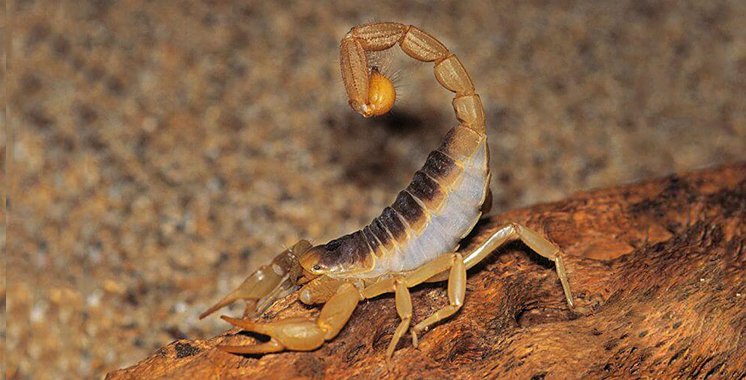
With the rise in temperatures and the arrival of the summer season, the medical and paramedical teams at the Azilal provincial hospital managed to control the risks linked to envenomations, ensuring effective treatment of 81 cases of scorpion stings and two cases of snake bites, without recording any deaths.
In a context marked by the gradual rise in temperatures and the start of the summer season, the medical and nursing teams at the Azilal provincial hospital managed to obtain a report considered positive and reassuring. This results in the effective treatment of 81 cases of scorpion stings and two cases of snake bites during the current months of May and the beginning of June, without any deaths being recorded. This performance reflects the high level of preparedness of the health system in the province and the efforts made to contain the risks of envenomation.
In detail, the provincial hospital welcomed, this Friday, June 12, 2026, a 19-year-old young man from the mountainous town of Waoula, victim of a scorpion sting. According to medical sources, the patient was immediately treated in accordance with the therapeutic protocol adopted by the Ministry of Health and Social Protection. His state of health was stabilized after receiving the necessary care, allowing him to leave the establishment in good health, like dozens of other patients who were successfully treated.
Official statistical data from the provincial delegation of health and social protection in Azilal indicates that the hospital recorded, during the first days of June, 34 cases of scorpion stings as well as two cases of snake bites. These figures are in addition to 45 other cases treated during the month of May, bringing the total to 81 cases of envenomation, all managed successfully, resulting in a report of zero deaths.
Furthermore, faced with the increased risks linked to the summer period, characterized by high activity of reptiles and venomous animals, the provincial delegation of the Ministry of Health in Azilal launched an urgent appeal to citizens to exercise the greatest vigilance. In particular, it recommends avoiding risky behaviors, such as inserting your hands into hidden holes or burrows, and not sitting near rock piles or in areas covered with dense grass.
It also emphasizes the need to carefully check shoes, clothing and blankets before use, as well as to take all necessary precautions during agricultural activities and work in rural areas.
Health authorities also point out the importance of going immediately to the nearest health center or hospital in the event of a sting or bite. They warn against the use of traditional practices, such as incision, the use of stones, aspiration of venom or the application of plants, stressing that these unscientific gestures can aggravate the situation, accelerate the diffusion of venom in the body and delay adequate medical care, thus increasing the risks of potentially fatal complications.