By Song Sang-ho
WASHINGTON, June 18 (Yonhap) — U.S. Vice President JD Vance reiterated Thursday that “international waterways” should be “free of tolls” in reference to the Strait of Hormuz, stressing the need for a final peace deal with Iran to ensure the strait is not used as a “choke point for the global economy.”
Vance made the remarks during a press briefing at the White House, noting that the 60-day negotiation period, laid out in a recently signed memorandum of understanding between the United States and Iran, officially started Thursday.
South Korea and other countries, which rely on the Strait of Hormuz for energy imports, have hoped for the restoration of free and safe passage through the waterway, which was responsible for about a fifth of the world’s oil supply before the war broke out on Feb. 28. Two dozen South Korea-linked ships still remain trapped in the strait.
“We believe international waterways should be free of tolls, and that’s been our position,” he said.
He pointed out that what’s at issue concerning the strait is “not about tolling” but “about ensuring that the straits are never used as a choke point for the global economy ever again.”
“It’s frankly not what the Iranians want. It’s not what the Omanis want. It’s not what the GCC (Gulf Cooperation Council) wants either. So what we are going to do, of course working with our allies in the region, is to ensure that that is reflected in the final deal,” he said.
“If that’s not reflected in the final deal, there’s not going to be a final deal.”

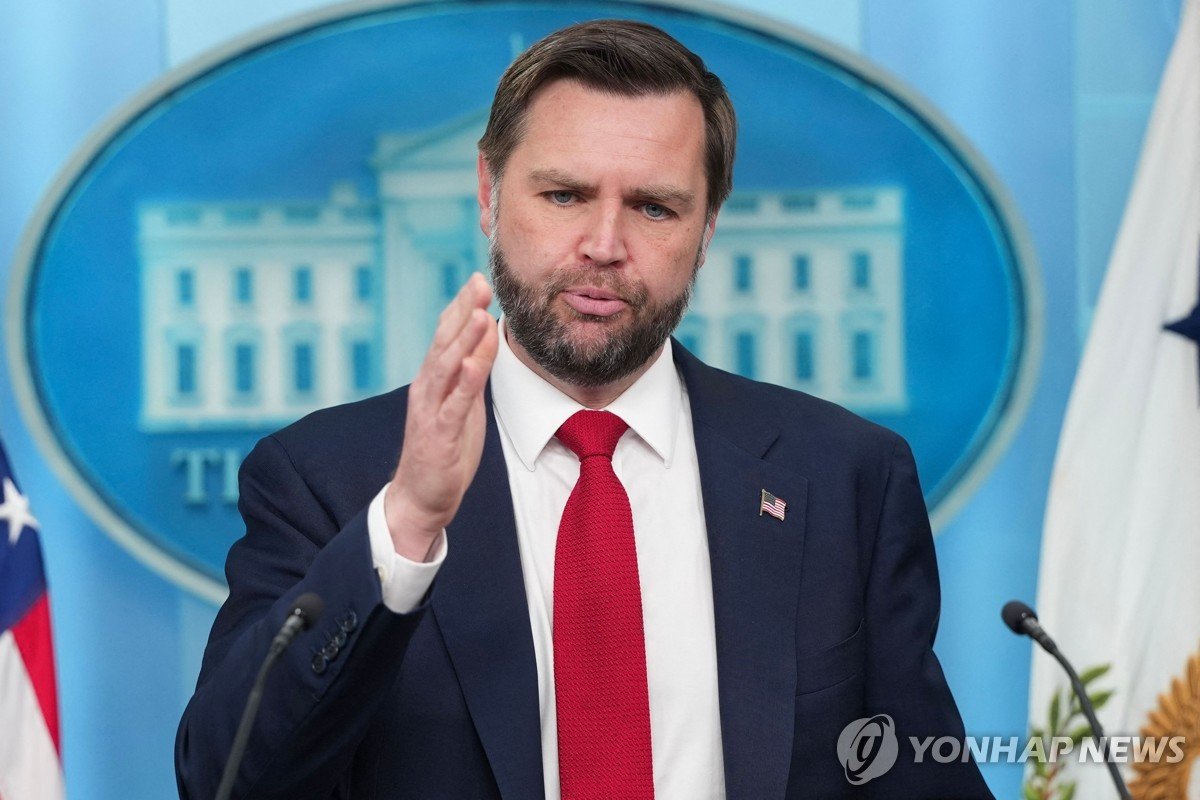
U.S. Vice President JD Vance speaks during a press briefing at the White House in Washington on June 18, 2026, in this photo released by AFP. (Yonhap)
The MOU states that upon its signing, Iran will make arrangements using its best efforts for the safe passage of commercial vessels “with no charge” “for 60 days only,” from the Persian Gulf to the Sea of Oman and vice versa.
This paragraph raised questions about what would happen after the 60-day period. Iranian state media have said that after the two-month period, Iran and Oman will manage the Strait of Hormuz, raising concerns that they could charge a fee for transits through the strait.
Vance noted that the final negotiations could set the terms of what comes after the 60-day period.
He confirmed that the negotiation window for reaching a final peace deal began Thursday.
“I would say the 60-day period officially started today,” he said.
Dismissing some criticism that the U.S. ceded too much to Iran under the MOU, Vance reiterated Washington’s position that economic and other benefits for Iran will come based on Tehran’s performance in the implementation of its end of the deal.
“They don’t get anything unless they change their behavior,” he said. “If they change their behavior, that’s a thing to celebrate. That’s going to transform the Middle East for a generation.”
sshluck@yna.co.kr
(END)