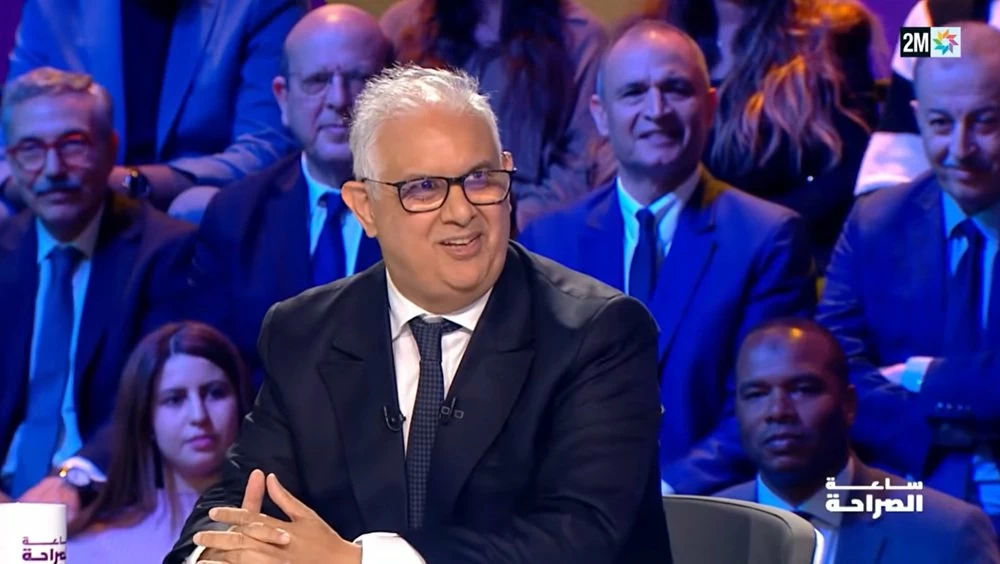
As we approach the 2030 World CupTHE Morocco intensifies the deployment of large road infrastructure projects in order to improve mobility, strengthen connectivity between territories and meet the demands of the planetary event, in accordance with the Royal Vision making infrastructure a lever for sustainable development and international influence of the Kingdom. The Minister of Equipment and Water, Nizar Barakadetailed the main projects in progress in a response to a written question from the Haraki group.
The minister recalled that the Kingdom currently has a highway network of 1,800 kilometers, including nearly 1,600 works of artwhich plays a major role in the economic, tourist and social development of the country, while contributing to regional planning, the attractiveness of investments and the strengthening of trade.
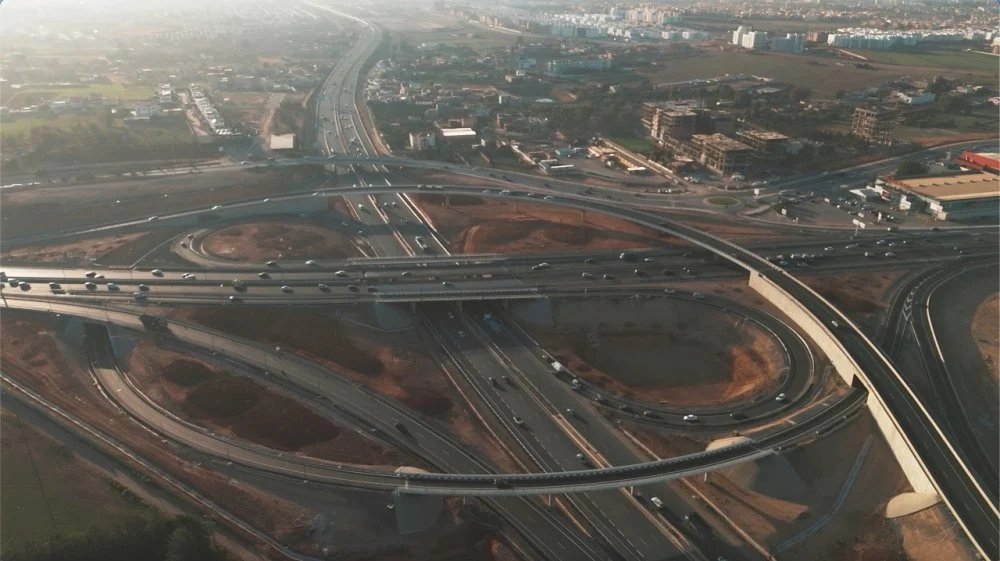
As part of the motorway development program for 2030, several achievements have already been completed. These include the Tit Mellil-Berrechid highway29 kilometers long, as well as developments of Aïn Harrouda and Sidi Maârouf interchangeswhose work was completed in 2025.
At the same time, several structuring projects are being carried out. Among them is the Guercif-Nador highway104 kilometers long, for an investment estimated at 7.9 billion dirhams. The works of the Rabat-Casablanca continental highway were also launched. 59 kilometers long and mobilizing nearly 6 billion dirhams, this infrastructure will notably serve the Benslimane region, where the future is under construction. Grand Hassan II Stadium.
Regarding the express lanesTHE Morocco increased its network to nearly 2,300 kilometers by the end of 2025, an increase of 819 kilometers compared to 2021. This dynamic is based on several major projects, in particular the axes Tiznit-Laâyoune, Fès-Taounate, Tétouan-Chefchaouen and Aïn Aouda-Oued Zemas well as the infrastructure serving the Port Nador West Med and road improvementsAgadir.
As part of the preparations for Global 2030THE government has also initiated a vast program to upgrade access to the future Grand Hassan II Stadium in Benslimane. To this end, a partnership agreement mobilizes a total envelope of 5 billion dirhams, including 3.9 billion dirhams devoted to improving road infrastructure and the flow of traffic towards the stadium.
To coordinate all the preparations linked to this deadline, the Morocco 2030 Foundation was created, under Law No. 35.25, to ensure the monitoring of infrastructure projects and coordination between the different stakeholders concerned.
According to Nizar Barakathese investments are part of the Royal Vision carried by HM King Mohammed VIwhich makes infrastructure a lever for sustainable development, territorial cohesion and the international influence of the Kingdom. They go beyond the sole framework of the 2030 World Cup and aim to sustainably improve the mobility of citizens, to strengthen the economic attractiveness of the country and to leave an infrastructural legacy for the benefit of all regions.