The project also links health care with nutrition, education, parenting support, and social protection, helping support a child’s full development and giving mothers more confidence.
The Conditional Cash Transfer program helps families with young children meet basic needs during some of the most financially vulnerable years of parenting.
For Christina, the assistance helps provide stability.
“I buy him food, toiletries, toys that he wants, rice, and cash power,” she says. “I save the money if there’s leftover.”
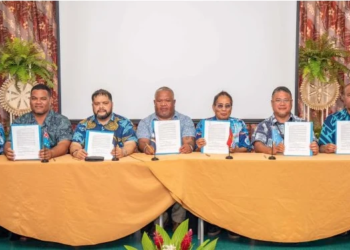
A key partner is Women United Together Marshall Islands, which helps deliver parenting and early learning support through its Ajri in Ibwinini program. Parent educators work directly with families in their homes, sharing parenting guidance, reading resources, and child development support. Senator Daisy Alik Momotaro, Special Envoy for Gender, Youth and Children Affairs and one of WUTMI’s founders, says the program is deeply rooted in Marshallese culture.
“Ajri means children and ibwinini was a word traditionally used only for the children of chiefs,” she explains. “But the women chiefs who were part of WUTMI wanted all Marshallese children to be ibwinini. They wanted every child to be valued and prepared for the future.”
The World Bank-supported project has helped the program expand beyond Majuro into islands including Jaluit, Ebon, Ailuk, Santo, and Ebeye.
In the Marshall Islands, resilience is not only about infrastructure. It is also about ensuring children grow up healthy, supported, and ready for the opportunities and jobs of the future. Through investments in health, learning, and family support, the country is helping build the next generation of workers, caregivers, entrepreneurs, teachers, and leaders.