
Caribbean governments and the United Nations have unveiled a new five-year cooperation framework designed to strengthen development efforts across the English- and Dutch-speaking Caribbean and accelerate progress toward the Sustainable Development Goals (SDGs).
The United Nations Multi-Country Sustainable Development Cooperation Framework (MSDCF) 2027-2031 was presented during the 2026 Annual Coordination Meeting of the UN MSDCF for the Caribbean, held on June 16. According to a United Nations Caribbean press release, the framework will guide coordinated UN support for national and regional priorities over the next five years, helping countries deliver meaningful results for people and communities throughout the region.
Chaired by Belize, the hybrid meeting brought together government representatives, Resident Coordinators, regional partners and UN agencies to reflect on achievements under the current MSDCF 2022-2026 and discuss priorities for the years ahead.
Speaking at the opening of the meeting, Mr. Raul Salazar, UN Resident Coordinator for Belize and El Salvador and Chair of the Regional Steering Committee of the MSDCF, emphasized the collaborative effort that went into developing the new framework.
“With Governments and development partners we have worked together to shape a Multi-Country Cooperation Framework that reflects national priorities and regional aspirations. This Framework is about creating opportunities, strengthening resilience, protecting the most vulnerable, and delivering tangible results in the daily lives of Caribbean citizens,” said Salazar.
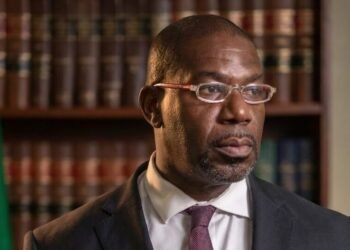
Belize’s Chief Executive Officer in the Ministry of Foreign Affairs and Foreign Trade, H.E. Oscar Arnold, also highlighted the significance of the initiative, stating, “The MSDCF has been shaped by the priorities, experiences and aspirations of our countries, and stands as a testament to our collective commitment to build a more resilient, inclusive and prosperous Caribbean.”
Held under the theme “One Caribbean. One Framework. One Future,” the meeting reportedly placed regional partnership at the center of discussions. Participants emphasized that Caribbean nations share many of the same development challenges and ambitions, making collaboration through a single framework an important tool for achieving common goals.
The UNIC stated that MSDCF 2027-2031 is built around two strategic pillars. The first, Economic and Ecosystem Resilience, focuses on economic diversification, skills development and strengthening ecosystem resilience. The second, Future Ready People and Empowered Communities, aims to improve access to integrated services while addressing crime and violence prevention. Together, these pillars seek to promote stronger economies, protected ecosystems, safer communities and better opportunities for people across the region.
As per the release, the new framework also aligns with efforts to accelerate progress toward the 2030 Agenda for Sustainable Development. With the MSDCF now presented, the focus will shift to implementation planning, coordination and ensuring that regional priorities are translated into concrete action at the national level.
The meeting concluded with Caribbean governments and the United Nations reaffirming their commitment to national ownership, regional cooperation and collective action to advance sustainable development throughout the Caribbean, according to the UN press release.