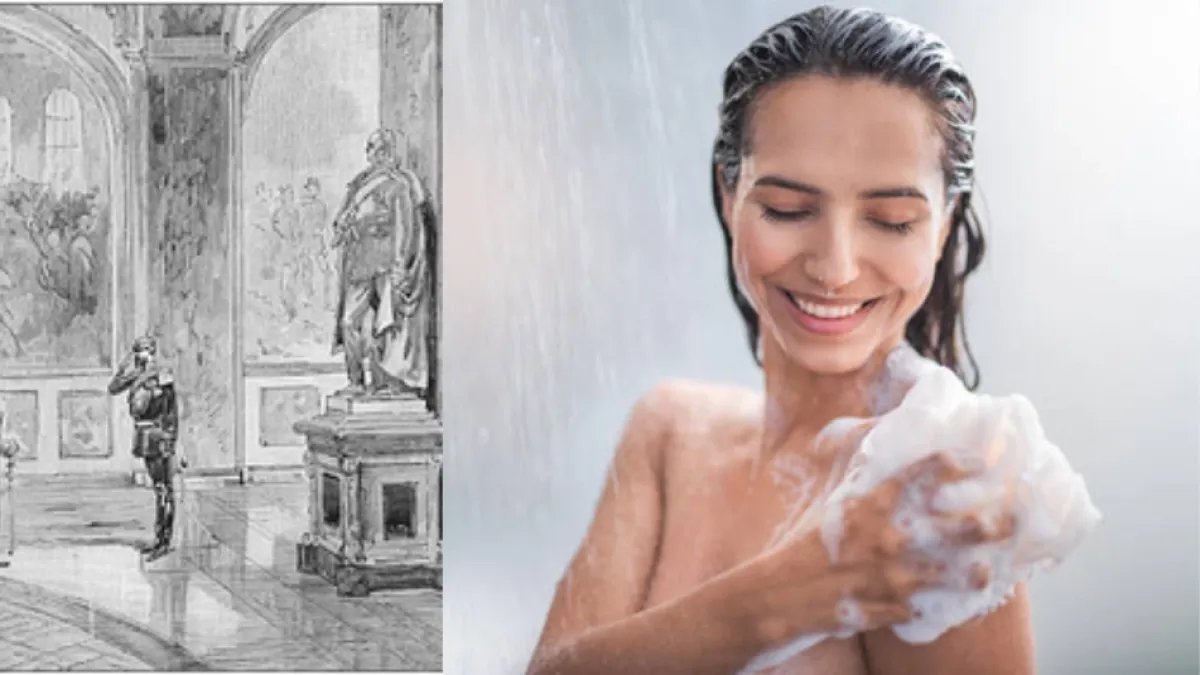
For centuries, body care and the perception of human aroma have been shaped not only by health, but by social, economic and status factors. Historically, frequent bathing and the use of fragrances were reserved for the elites, while today personal hygiene has become a global standard with an industry valued at more than half a trillion dollars.
Experts such as Johan Lundström, professor at the Karolinska Institute, point out that Although odor is a biological phenomenon influenced by genetics, diet and bacteria, The current intolerance towards it is, to a large extent, a construct of modern social conditioning.
READ ALSO

Advertising promoted new care routines. Photo:ISTOCK
From class distinction to public hygiene
In the 17th century, cleanliness focused mainly on clothing. According to Kathleen Brown, a historian at the University of Pennsylvania, an aristocrat was distinguished by wearing impeccable linen shirts, although his body was cleaned infrequently, without this being a reason for social judgment.
Perception began to transform between the 18th and 19th centuries. As the bathroom became accessible to the upper and educated classes, a new association emerged: bad smell was directly linked to poverty and disease. This prejudice was reinforced by the “miasma theory”which suggested that bad odors contained pathogens. Although this hypothesis was superseded by germ theory, the stigma persisted.
Public institutions such as schools and offices demanded a more hygienic aesthetic for populations in crowded spaces, turning cleanliness into a marker of social status that manual workers had to emulate to be accepted.
READ ALSO
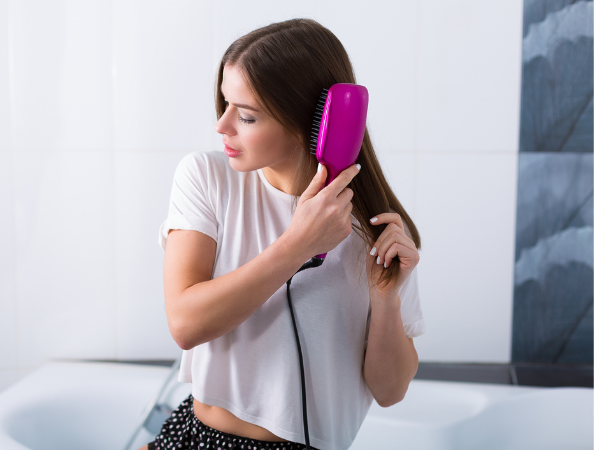
Hygiene is today an everyday practice. Photo:ISTOCK
The role of advertising and corporate culture
At the beginning of the 20th century, lCompanies took advantage of these social insecurities to expand their market. Through advertising strategies that subtly intimidated consumers about their respectability and social standing, soap and antiperspirant brands positioned their products as basic necessities.
In the United States, Brands like Odorono promoted the idea that body odor was an obstacle to personal relationships. This trend extended to other aspects of appearance, such as female hair removal and the use of mouthwash. By the 1950s, this ideology of hygiene was consolidated, causing body care to become a managed responsibility. mainly at home.
READ ALSO
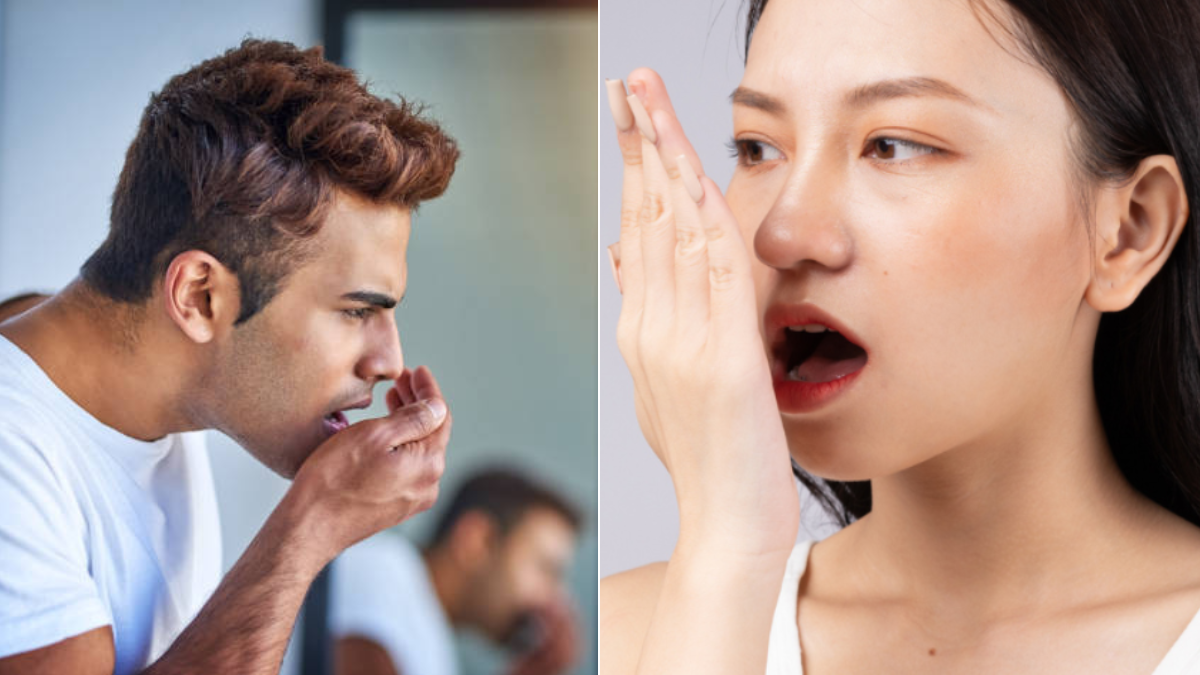
Personal image influences different environments. Photo:ISTOCK
Body discipline today
Nowadays, Hair and body odor intolerance is particularly high in urban and corporate environments. Kathleen Brown suggests that the more metropolitan a community is, the greater the effort to distance itself from the animal nature of the human body.
Thanks to globalized marketing, hygiene routines have become almost universal. However, experts agree that today’s severe stigmatization of body odor is a reflection of the rigid aesthetic standards that define professional and social life in the modern world.
This content was rewritten with the assistance of artificial intelligence, based on information from (various academic and historical sources cited in the text).
KATHERINE BRAVO HERNÁNDEZ
DIGITAL SCOPE EDITORIAL
THE TIME