Washington and Tehran are expected to sign a memorandum of understanding in Switzerland on Friday, June 19, which will form the basis for 60 days of talks aimed at finally ending the war and imposing tough new restrictions on Iran’s nuclear program.
The 14-point draft, which Bloomberg has seen, outlines a broad framework of commitments that includes a cessation of hostilities, the lifting of sanctions, the reopening of the Strait of Hormuz, economic support for Iran and new rules on its nuclear program.
The first article states that the Islamic Republic of Iran and the United States, together with their allies, declare by signing the memorandum an immediate and permanent cessation of war on all fronts, including Lebanon.
Both sides pledge not to take any hostile action in the future and to refrain from the threat or use of force against each other.
At the same time, they pledge to respect each other’s sovereignty and territorial integrity, as well as not to interfere in the internal affairs of the other party.
Agreement within 60 days
The draft provides that negotiations for the final agreement will be completed within 60 days, with the possibility of extension only by mutual consent.
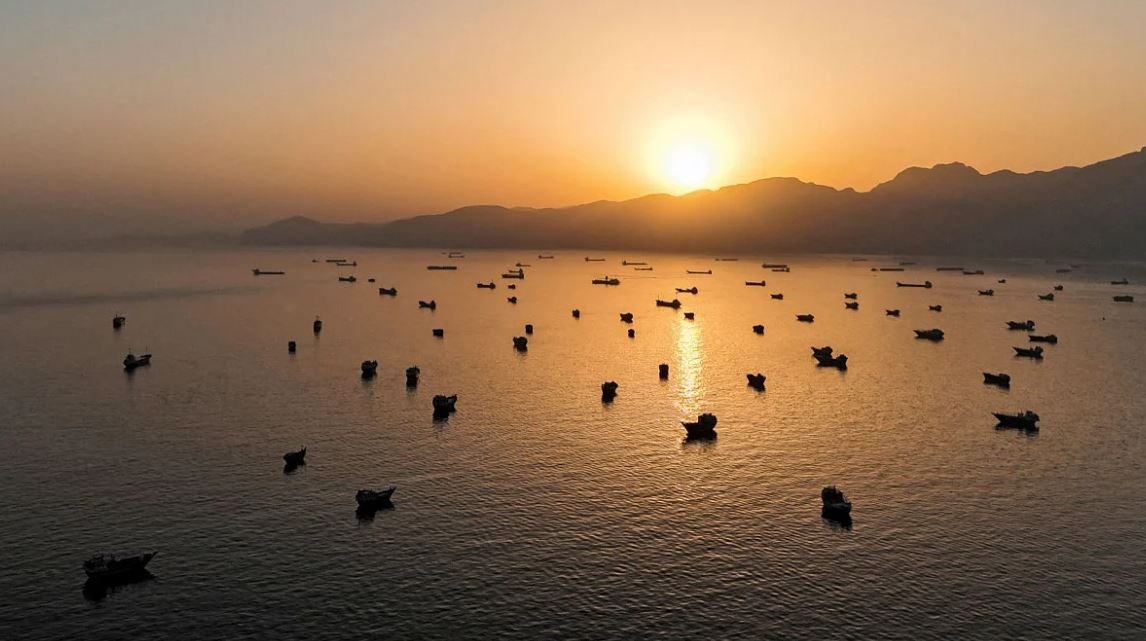
The focal point of the agreement is the full restoration of navigation in the Strait of Hormuz.
The United States pledges to immediately lift the naval blockade and restore smooth shipping traffic to pre-war levels within 30 days.
In addition, they are committed to withdrawing their military forces from the surrounding areas within 30 days of signing the final agreement.
For their part, Iran will take immediate measures to ensure that merchant shipping between the Persian Gulf and the Sea of Oman also returns to pre-war levels within a month, including demining the sea lanes.
The $300 billion package for Iran
One of the most striking points of the draft is the commitment of the US and its regional allies to draw up a comprehensive program for the economic reconstruction and development of Iran.
The plan envisages financing of at least 300 billion dollars, while the implementation mechanism will be determined within the framework of the final agreement.
The gradual lifting of all sanctions
The United States is committed to proceeding, according to a schedule to be agreed upon later, with the lifting of all sanctions imposed on Iran.
This includes United Nations and International Atomic Energy Agency sanctions, as well as US primary and secondary sanctions.
The nuclear program
Tehran reiterates in the draft that it will never acquire nuclear weapons.
Both sides agree that issues such as stockpiles of enriched material, Iran’s nuclear needs and all relevant technical details will be settled in the final agreement.
Until then, the current status quo will be maintained: Iran will not expand its nuclear program and the United States will not impose new sanctions or strengthen its military presence in the region.
Immediate easing of restrictions on oil exports
The US Treasury Department will issue exemptions immediately after the signing to allow exports of Iranian crude oil, petrochemicals and their derivatives.
Exemptions will also cover banking services, insurance, transport and any other related activities.
Release of frozen funds
The deal also provides for the release of frozen or frozen Iranian assets as negotiations for a final deal progress.
These funds will be made fully available for use by the Central Bank of Iran, while the US commits to issue all required licenses.
Surveillance mechanism and international registration
Both countries agree to create a special monitoring mechanism for the implementation of the final agreement and respect for the commitments that will emerge.
The final text of the agreement is expected to be approved through a binding UN Security Council resolution, giving international legal force to its provisions.