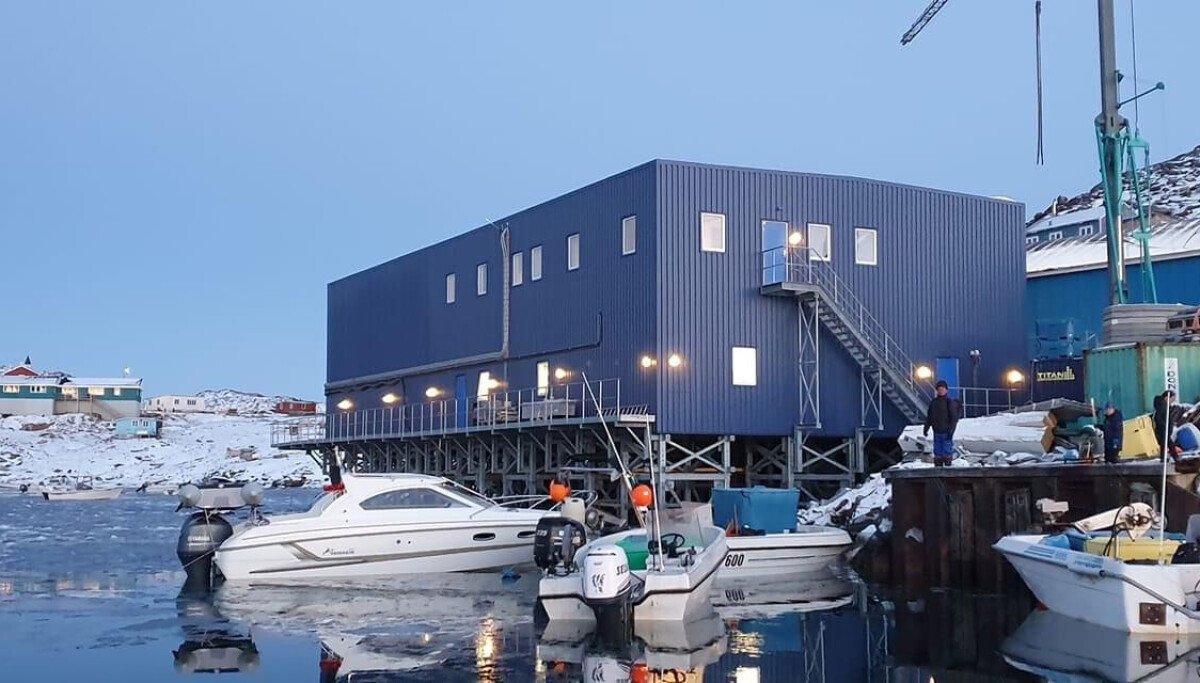
Arctic Fish Greenland A/S, which was established in 2018 and is partly owned by Royal Greenland A/S, has production facilities in Kullorsuaq and Nuussuaq.
According to the company’s accounts for 2025, the company’s finances are in an unsatisfactory situation. It appears from the accounts that this is due to a significant decrease in the landings of halibut at the company’s production facilities over the past two years.
Arctic Fish Greenland A/S, which was established in 2018 and is partly owned by Royal Greenland A/S, has production facilities in Kullorsuaq and Nuussuaq.
According to the company’s accounts for 2025, the company’s finances are in an unsatisfactory situation. It appears from the accounts that this is due to a significant decrease in the landings of halibut at the company’s production facilities over the past two years.
Arctic Fish Greenland’s director, Frederik Olsen, explains that this is mainly due to changes in the ice conditions and, as a result, that many narwhals now stay in the fishing area all year round.
Deficit again
According to Arctic Fish Greenland’s accounts for 2025, in 2024 the company had a turnover of around DKK 41.1 million and a deficit of around DKK 11.2 million. According to the company’s director, Frederik Olsen, it has been necessary to implement various savings in order to reduce the deficit.
Nevertheless, in 2025 the company had a turnover of around DKK 31.5 million and a deficit of just over DKK 4.5 million. This is assessed by the board as unsatisfactory.
It also appears from the accounts that the company has lost more than half of its equity. However, the owners state that various initiatives have been initiated to remedy the situation.
– The company’s deficit is large, and of course it is serious. The landed halibut for the production plants in Kullorsuaq and Nuussuaq has been halved over the course of two years.
– As a result, the number of employees at the factories has decreased. The factory in Nuussuaq used to have between 15 and 20 employees during the busiest period, but now there are only around five employees.
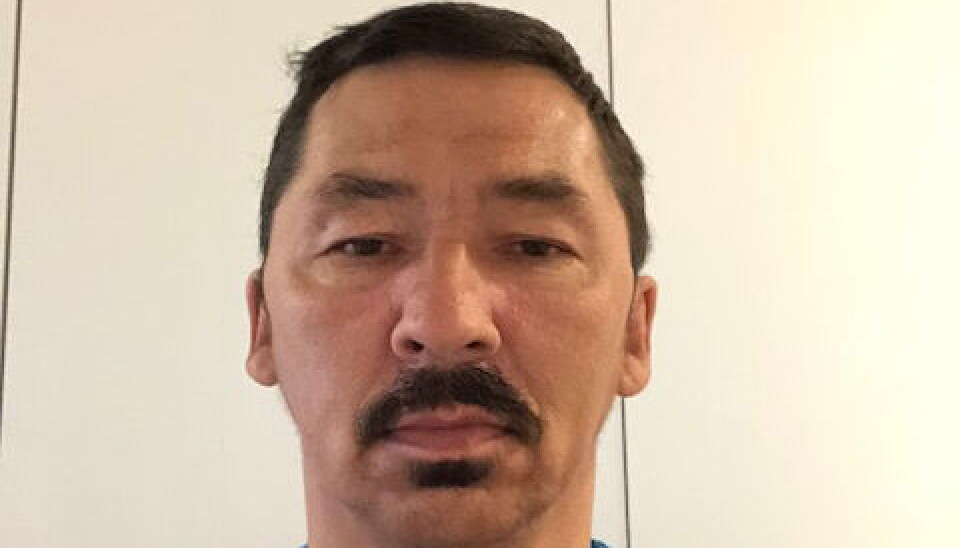
– We are trying to tighten everything up. That’s why we keep a very close eye on various possible savings, such as the daily operating expenses and employees’ hours, says Frederik Olsen.
The majority of Arctic Fish Greenland is owned by Royal Greenland. It also appears from the accounts that an eye will be kept on whether the company complies with its financial obligations and that Royal Greenland can, if necessary, add capital to ensure the company’s continued operation.
Climate change hits hard
As a result of climate change, the ice conditions in the north have changed. In the area around Upernavik, in previous years the sea used to freeze over in November, and at that time fishing for halibut began on the ice.
In recent years, the ice has only settled in January or February. Therefore, Frederik Olsen clarifies that fishing in the period from November to and including January or February only takes place to a very limited extent due to unstable weather conditions. He therefore also emphasizes that the landings during that period are very small.
Narwhals eat huge amounts of halibut
It can be read, among other things, in Arctic Fish Greenland’s accounts for 2025, that the company’s difficult financial situation is due, among other things, to the fact that many more narwhals have arrived in the area at Upernavik.
According to information from the Greenland Institute of Nature, halibut is a very important part of the narwhals’ diet. Narwhals that winter in the northern part of Baffin Bay eat more than 750 tons of halibut a day, while those that winter in the southern part eat more than 90 tons a day.
According to this method of calculating the whales’ daily intake of halibut, whales wintering in the northern and southern parts of Baffin Bay for five months eat about 750 tons of halibut during that period.
According to information from the Greenland Institute of Nature, it is not known in detail how much the narwhals in Melville Bay eat halibut. The information shows that the narwhals stay by the ice in the area in the summer and that shrimp are also part of their diet.
Plan for rescue
Since from November and including February it is no longer possible to fish from the ice, and at the same time it is also not possible to fish with dinghies, there is a need to think new, says board member of Arctic Fish Greenland, chairman of the fishermen’s and trappers’ association in Kullorsuaq and member of the village board, Timotheus Petersen.
He emphasizes that it is necessary to go from dinghy fishing to fishing with larger vessels if the company’s finances are to be brought back on track.
– There are no large fishing vessels in Kullorsuaq and Nuussuaq. If we are to adapt to climate change and changes in ice conditions, it is necessary to obtain larger vessels that can be used for halibut fishing.
– Therefore, the possibilities for Arctic Fish Greenland to acquire two fishing vessels are now among the things being discussed in the board of directors. But because the plan is new, it is difficult to comment on it in more detail right now, says Timotheus Petersen.
He said that the fishermen of Kullorsuaq and Nuussuaq should be supported politically in the transition from dinghies to vessels.