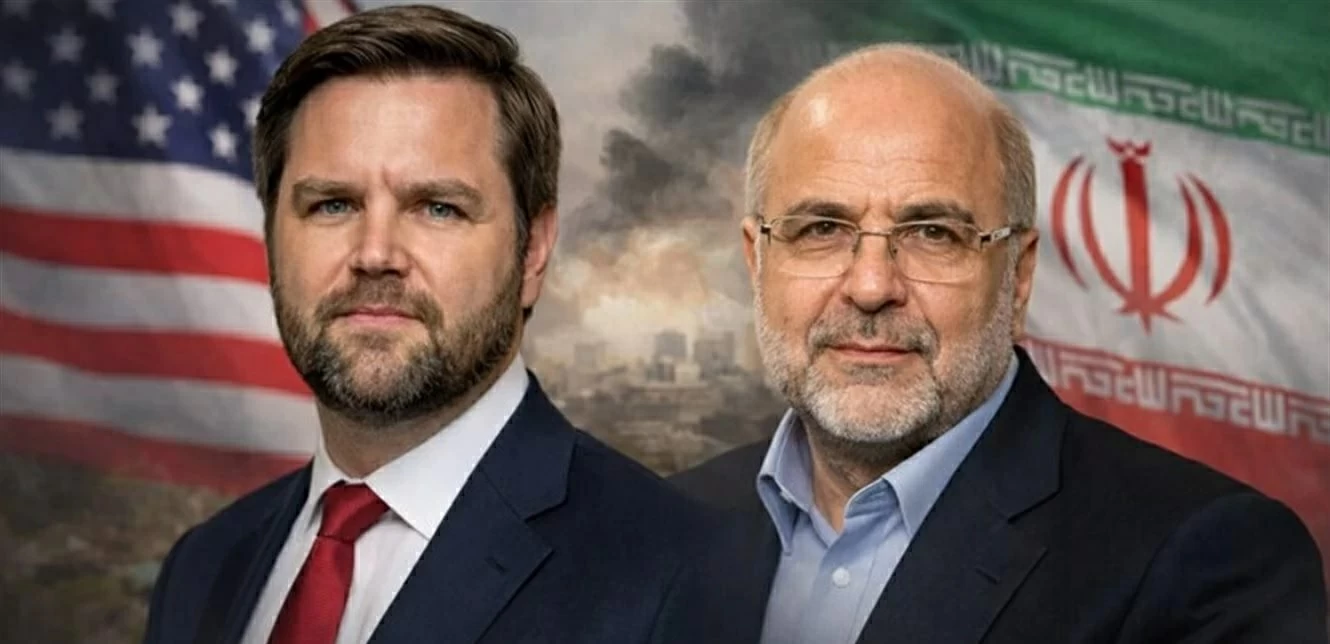
A virtual meeting is expected to be held today, Sunday, between the delegations of America and Iran in order to sign the peace agreement. Informed sources revealed that the signing of the memorandum of understanding will be in the presence of US Vice President J.D. Vance and Iranian Parliament Speaker Mohammad Bagher Qalibaf, and the meeting will be attended “remotely” by mediators from Pakistan and Qatar.
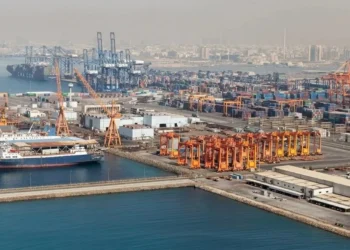
The sources reported that after signing the agreement, the Strait of Hormuz will be opened, cargo ships will be allowed to pass without fees, and the American blockade on Iranian ports will be lifted. Meanwhile, an informed source announced that Qatari negotiators went to Tehran this morning as part of efforts to conclude an agreement to end the war, according to Reuters.
Yesterday, Saturday, US President Donald Trump confirmed that the agreement with Iran to end the war would be signed on Sunday, followed immediately by the opening of the Strait of Hormuz, while Tehran has not yet officially confirmed this signing date.
In turn, Pakistani Prime Minister Shahbaz Sharif, whose country is leading the mediation efforts between the two countries, expected yesterday that “the agreement will be completed within the next 24 hours,” pointing to an “electronic signature” followed by technical talks next week.
Foreign Ministry spokesman Ismail Baghaei said: “We have to wait to find out the exact date for the signing… it will not be tomorrow… perhaps in the coming days,” according to what was reported by the IRNA news agency.
Leaks about the upcoming agreement, which hinted at concessions by the Iranian side, sparked opposition from hard-line conservatives in Iran, as dozens of demonstrators gathered in front of the headquarters of the Ministry of Foreign Affairs in Mashhad, northeast of the country, and chanted slogans opposing the agreement and hostile to Foreign Minister Abbas Araghchi and the Speaker of Parliament.
Since the ceasefire was announced on April 8 between Iran and America, the ongoing talks to reach an agreement have collided with many controversial issues, such as the Iranian nuclear program, control of the Strait of Hormuz, lifting sanctions on Tehran, and including Lebanon in the agreement at a time when the pro-Iranian Lebanese Hezbollah is facing an intense Israeli military attack.
A virtual meeting is expected to take place today, Sunday, between the delegations of the United States and Iran to sign a peace agreement. Informed sources revealed that the signing of the memorandum of understanding will be attended by US Vice President JD Vance and Iranian Parliament Speaker Mohammad Baqer Qalibaf, with mediators from Pakistan and Qatar participating “remotely” in the meeting.
Sources indicated that following the signing of the agreement, the Strait of Hormuz will be opened, allowing cargo ships to pass without fees, and the US blockade on Iranian ports will be lifted. An informed source announced that Qatari negotiators traveled to Tehran this morning as part of efforts to finalize an agreement to end the war, according to Reuters.
US President Donald Trump confirmed yesterday, Saturday, that the agreement with Iran to end the war will be signed on Sunday, followed immediately by the opening of the Strait of Hormuz, although Tehran has not officially confirmed the signing date yet.
For his part, Pakistani Prime Minister Shahbaz Sharif, whose country is leading mediation efforts between the two nations, predicted yesterday that “the agreement will be completed within the next 24 hours,” noting that there will be an “electronic signature” followed by technical discussions next week.
Foreign Ministry spokesman Ismail Baqai stated: “We have to wait to know the exact date for the signing… it will not be tomorrow… perhaps in the coming days,” as reported by the IRNA news agency.
Leaks regarding the anticipated agreement, which hinted at concessions from the Iranian side, have sparked opposition from hardline conservatives in Iran, as dozens of protesters gathered outside a Foreign Ministry office in Mashhad, northeastern Iran, chanting slogans against the agreement and targeting Foreign Minister Abbas Araqchi and the Parliament Speaker.
Since the announcement of the ceasefire on April 8 between Iran and the US, ongoing talks to reach an agreement have faced many contentious issues, such as the Iranian nuclear program, control over the Strait of Hormuz, lifting sanctions on Tehran, and including Lebanon in the agreement at a time when the Iran-aligned Hezbollah is facing intense Israeli military attacks.