“Mission accomplie,” the trade union movement can say today. Shortly after the black-blue government came into power, Labor Minister Mischo declared the unions to be the main opponents. Their representativeness was questioned, their role in the Luxembourg social model was attacked and their negotiating rights were to be curtailed. The aim was obvious: to roll back the influence of the unions and pave the way for a series of reforms – from pension policy to working hours and labor law.
To person
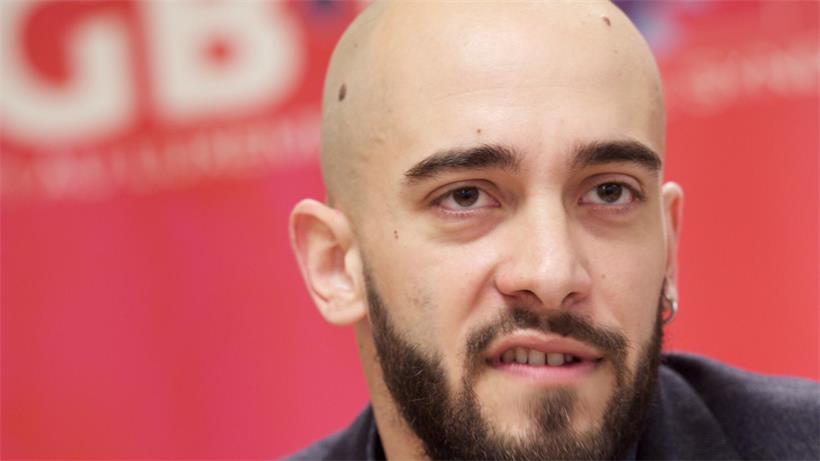
Photo: Editpress/Fabrizio Pizzolante
David Angel is Secretary General of the “Union des syndicats OGBL-LCGB”
However, the plan didn’t work. On the contrary.
As is well known, Mischo did a very bad job and brought the two major nationally representative unions, OGBL and LCGB, closer together than ever before. When an anti-employee pension reform became apparent and opening hours in stores were to be made more flexible, this collaboration first gave rise to the trade union front and later the “Union des syndicats”. Mobilization increased, a national demonstration was announced, and when Luc Frieden promised three years more working life for everyone in his State of the Nation speech, it was finally clear: the unions had reached the point that Nora Back had announced after Frieden’s election. They had become the central opposition force.
Government pushed back
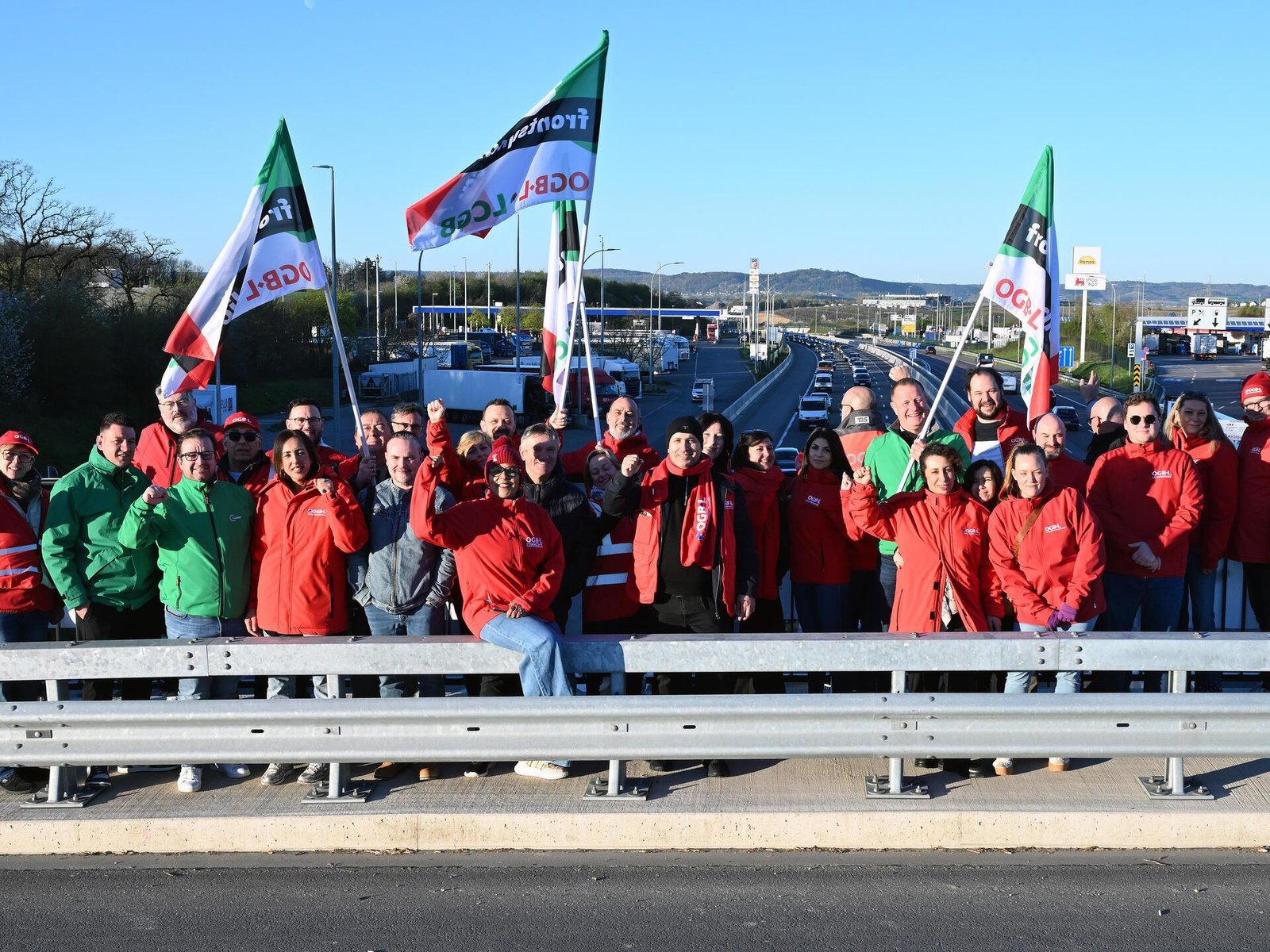
The trade union front became the “Union des syndicats” with fixed structures and a common appearance at all levels. The announcement of a demonstration turned into the largest social mobilization since 1982, with 25,000 participants.
It was these 25,000 people who ultimately ensured that the peace government was pushed back. The much-announced pension reform turned into a reform, the opening times in stores were partially reduced, the attack on the bargaining rights of the unions was called off – and Georges Mischo had to go.
But that didn’t end the conflict. Throughout the social conflict, the unions had called for a tripartite with the aim of defending the social model and finding answers to the social crisis. The government refused to take this step for almost two years. In the end, however, Prime Minister Frieden had no choice but to jump over his shadow.
And that’s not all: the trade union union was able to enforce not only the calling of a tripartite, but also largely its agenda. Minimum wage, purchasing power, energy prices, housing crisis, ecological transition and social dialogue became central topics of the negotiations. Almost more important, however, was what was not on the agenda: the index. A novelty in Luxembourg’s social history and a first important point victory for the trade union union.
Tripartite winner
After three days of intensive negotiations it was clear: the unions emerged as winners from the Tripartite. An increase in the net minimum wage by 200 euros, energy aid for households, support for the energy transition, new instruments to strengthen the social model – and above all, not a single deterioration for the employees and their families. No index manipulation, no social regression, no trade union compensation other than a return to the negotiating table.
A tripartite – mind you, a crisis instrument in which the unions have historically almost always had to wage defensive battles – in which progress was only made for the employees and their families: an absolute novelty.
Not only did the trade union movement force a tripartite through its pressure on the streets, in the media and at the negotiating table, it also set its agenda and largely prevailed on its central points. This result can only be understood as a political triumph for the union – a result of the pressure that has been building over two years.
At best a ceasefire
Anyone who concludes that the unions have given up their role as opposition by signing this agreement is ignoring reality. The trade union union made it clear from the start: at the negotiating table for as long as possible, on the streets as soon as necessary. The agreement neither ends the social conflicts nor the union demands. It is not a social peace, but at best a ceasefire.
Furthermore, the offensive that has just begun is by no means over. For more and better collective agreements, for better wages, for a reduction in working hours with full wage compensation, for the sixth week of vacation, but also for a broad-based “New Deal” for Luxembourg. These issues will shape the political debate in the coming years.
This is exactly where the answer lies for all those who want to deny the unions their political role.
Trade unions have a special role to play, especially in Luxembourg with its special demographic situation. When two-thirds of workers in a country do not have the right to vote in parliamentary elections, unions are likely to be the only social force that represents the interests of all wage earners, regardless of citizenship or place of residence.
That is why warnings about a “parliament next to parliament” or references to the primacy of the Chamber of Deputies, which no one questions, are out of place. Trade unions do not replace parties or parliament. They organize interests, create countervailing power and ensure that the voice of employees is heard between elections.
Two sides of one coin
In addition, the trade unions in Luxembourg are democratically legitimized through the largest democratic election in the country, namely the election for the “Chambre des salariés”, in which over 600,000 eligible voters can take part.
Against this background, the so-called Luxembourg model, in which the social partners are given a central role, becomes all the more important. In Luxembourg, social progress was never fought for exclusively in parliament. It always emerged from the interaction of union mobilization, social pressure, negotiations and political decisions. The boundaries are fluid.
Instead of being afraid of the demands and strength of the union and seeing it as competition, progressive political forces should see the union opposition as complementary to their own and see the interplay between union work and parliamentary work not as a contradiction, but as two sides of the same coin.
The trade union movement has achieved a historic level of unity over the past year – and has impressively demonstrated the strength that unity gives it. Even beyond the trade union movement, the unity of all those who believe in democracy, social justice and social progress should be the top priority.
note
The Tageblatt values exchange with its readers and offers space for different perspectives on this site. The opinions expressed on the forum page are intended to stimulate social discussion, but do not necessarily reflect the views of the editorial team.