OCCASION: AT THE SUMMIT OF THE COOPERATION PROCESS IN SOUTH EAST EUROPE (SEE) IN BULGARIA, OFFICIAL SOFIA CLEARED OUR INTERNAL DILEMMA
Instead of diplomatic mists and European phrases, the Bulgarian side finally openly said what it thinks and what it plans to do next in relation to the imposed bilateral dispute with Macedonia in connection with our European integration. Namely, the constitutional amendments are not the end of the conditions, but only the beginning!
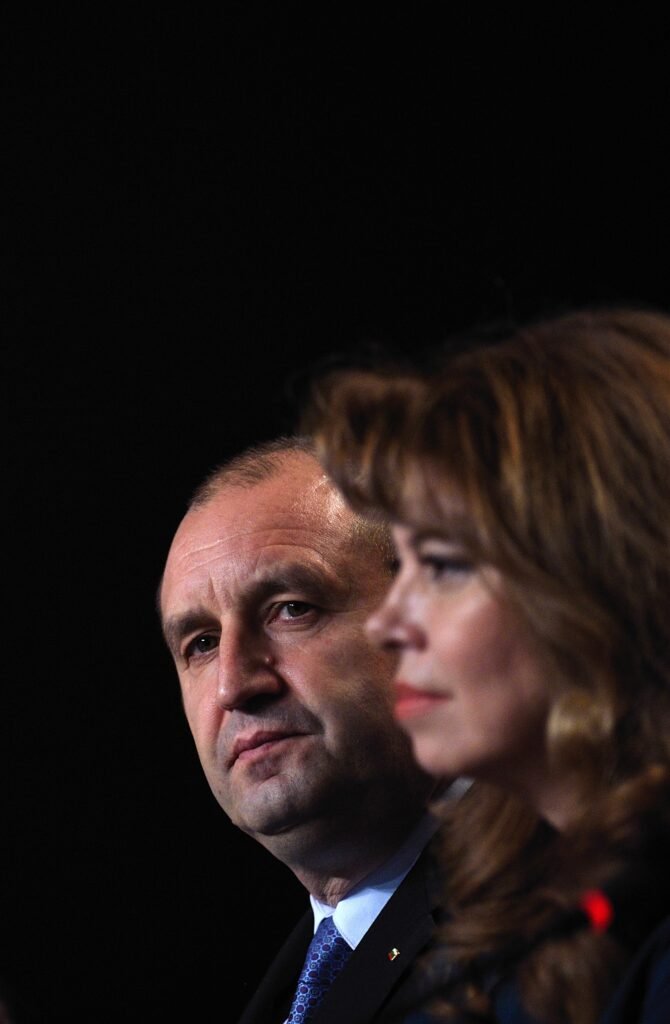
If anyone in Macedonia still believed that a clean European path would follow after the change of the Constitution, the answer from Sofia came directly and without diplomatic embellishments. In that sense, Iliana Jotova really did a job for us – she cleared up the dilemmas and showed us that maximalist demands are not the exception, but the rule.
THIS (SHOULDN’T) BE THE REAL END OF ILLUSIONS FOR SOME OF US
For years, the Macedonian public has been exposed to various assurances that there is a clear path to the European Union and that it is enough to fulfill just one more obligation for the process to finally move forward. Today the messages that arrived from Sofia show that the reality is much more complex.
The Minister of Foreign Affairs, Timcho Mutsunski, clearly indicated that Macedonia does not only require the opening of the accession negotiations, but also the certainty that they will be able to end successfully. Therefore, quite logically, a guarantee is needed that no new demands related to history, identity, language or the work of historical commissions will arise during the process.
But right here came the most important answer.
SOFIA SAYS WHAT HE THINKS AND WHAT HE INTENDS TO DO
The statements of the President Gordana Siljanovska-Davkova after the meeting with the Bulgarian President Iliana Yotova revealed something that was assumed for a long time, but hardly anyone wanted to admit it publicly. Constitutional amendments are not the only requirement.
The protocols, the historical commission and additional obligations arising from the bilateral dispute also remain on the table. In other words, what was often presented as a one-time political sacrifice, according to the signals from Sofia, represents only one stage in a much wider conditioning process. That is the essential message that the Macedonian public should listen to carefully.
THIS IS DEFINITELY NOT A EUROPEAN PROCESS, BUT A BILATERAL LABYRINTH
The biggest problem is not whether Macedonia should make reforms. That was never disputed. The question is whether the criteria will be European or bilateral.
The European Union is built on principles of rule of law, functional institutions, human rights and economic standards. Historical interpretations, national mythologies and identity issues are not part of the Copenhagen criteria.
That is why the dilemma that Mutsunski opened is legitimate: Will Macedonia negotiate for European standards or for historical interpretations? If the latter becomes dominant, then the process risks turning into an endless maze in which the goal is constantly moving.
IOTOVA’S SERVICE
Paradoxically, it was the Bulgarian president who did perhaps the greatest service for the Macedonian political scene. With her unequivocal position, she destroyed the last hopes that the European doors will automatically open after the constitutional amendments. Instead of new illusions, Macedonia got a clear picture of the situation.
– In politics, clarity is often more valuable than false hope. Now no one can convincingly claim that the conditions end with a single constitutional intervention. If there are new demands today, it is logical to ask how many new demands will appear tomorrow – say our interlocutors, veterans in politics and former members of a political party that was in power until recently.
IT’S TIME FOR INTERNAL CONSENSUS
– This is precisely why Macedonia needs a broad national consensus around red lines that must not be subject to political bargaining. No European process can be successful if it is based on the gradual relativization of national identity, language and the historical right to self-determination. It is not a matter of nationalism, but of dignity and principles that apply to all European nations – said the same sources during the briefing and the exchange of opinions regarding the position of the Bulgarian President Jotova, adding that she “warned part of the Macedonian opposition public not to be mistaken that the constitutional amendments are the end of the demands from Sofia”.
EUROPE – YES, DEFINITION – NO
Macedonia has no reason to give up on the European perspective. On the contrary, membership in the European Union remains a strategic goal and interest of the state. But the European path must be a path towards integration, not towards assimilation. Towards partnership, not endless concessions. To Europeanization of the institutions, not to redefining the national identity.
The message from Sofia may not be what many wanted to hear. But that’s exactly why it’s important. Because it finally cleared up the dilemmas. And when the dilemmas disappear, all that remains is the obligation for Macedonia to soberly, confidently and unwaveringly seek its European path – a path that leads to Europe, but not to its own disfigurement.