‘Small but high-quality university’
Yodchanan said the institution would be developed under the concept of a “small but high-quality university”, with specialised expertise, an agile and modern administrative structure, and the ability to design curricula quickly in line with local and industrial needs.
The goal is for the institution to become a model innovation university for area-based development with international standards, while helping reform Thai higher education.
Research rooted in local development
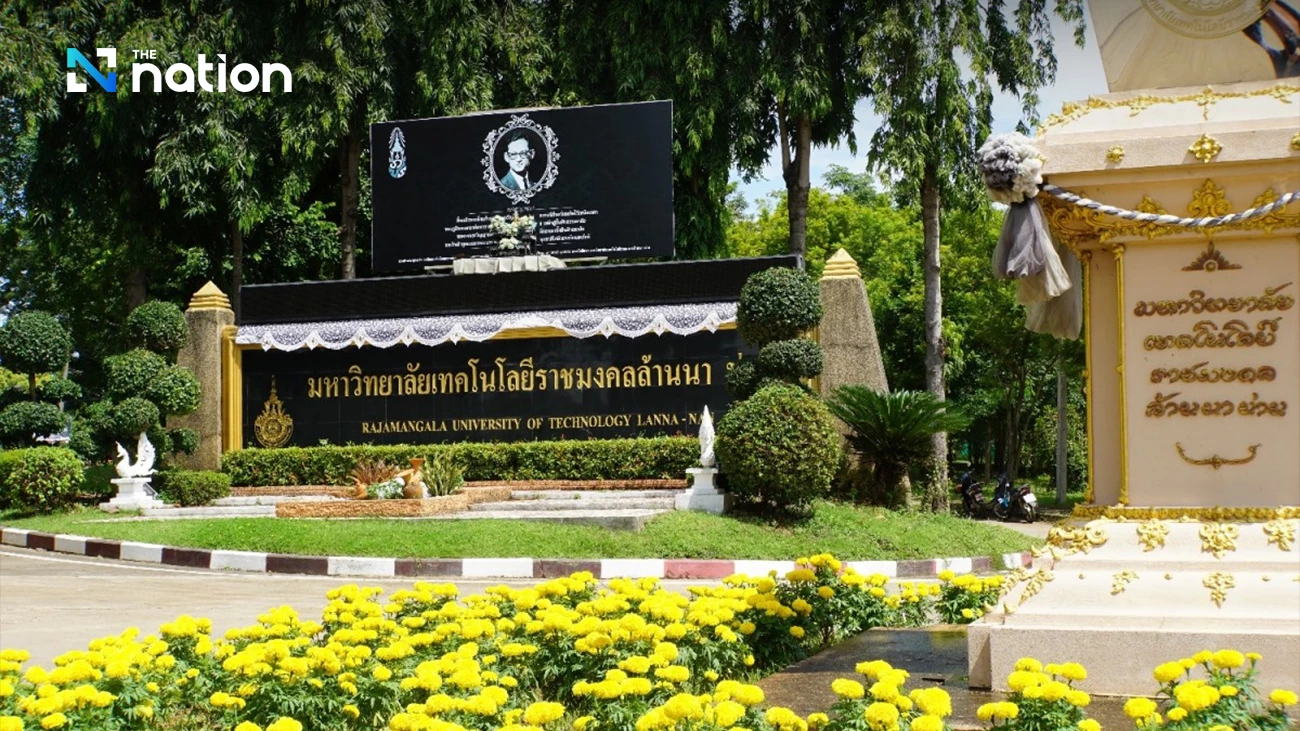
RMUTL Nan has played a key role in supporting local development through research and community product development.
Its work has included:
- Research and development of local plants such as custard apple vine and wild yam
- Development of local fish species
- Promotion and research on indigenous chickens
The upgrade is expected to build on these existing strengths and use knowledge, research and innovation to solve local problems, support sustainable development and produce skilled manpower for future national development.
New Generation University model
The new institution will be designed as a New Generation University, moving beyond traditional education models. It will have four main features:
1. A university that serves the province
It will adopt a flexible and agile management model, enabling it to respond quickly to global changes and local social capital.
2. Learner-centred education
Lecturers will shift from being “teachers” to facilitators and coaches, helping students build knowledge through real-life experience.
3. Lifelong learning
The university will offer short courses through a credit bank system to support upskilling and reskilling for local people of all ages.
4. Global innovation focus
It will promote research and innovation linked to local identity and wisdom, helping turn community value into international opportunities.
Consultation already completed
Yodchanan said the ministry had already studied the project’s feasibility, prepared project plans and gathered opinions from government agencies, local authorities, the public, lecturers, staff and students.
The proposal has also received approval in principle from key agencies, including the Office of the Civil Service Commission, the National Economic and Social Development Council, the Office of the Public Sector Development Commission and the Office of the Council of State.
No immediate budget burden
The Budget Bureau has clarified that the Cabinet’s approval in principle will not create an immediate fiscal burden.
However, budget obligations will arise once the institution is formally established. Relevant agencies must prepare budget plans and comply strictly with the State Fiscal and Financial Discipline Act B.E. 2561, or 2018.
Yodchanan said the ministry would now accelerate the drafting of the bill and set out details on administration, manpower development, research, innovation and area-based development.
He said the aim was for the institution to become a mechanism for sustainably improving the economy, society, environment and quality of life of people in Nan and nearby provinces.