in his movie Germany nine zero (1991), Jean-Luc Godard wondered if it was possible to narrate time in its pure happening. Since then, the filmography of Jim Jarmusch seems to have become the answer. That’s the stuff his movies are made of: the time no big events or dramatic twists.
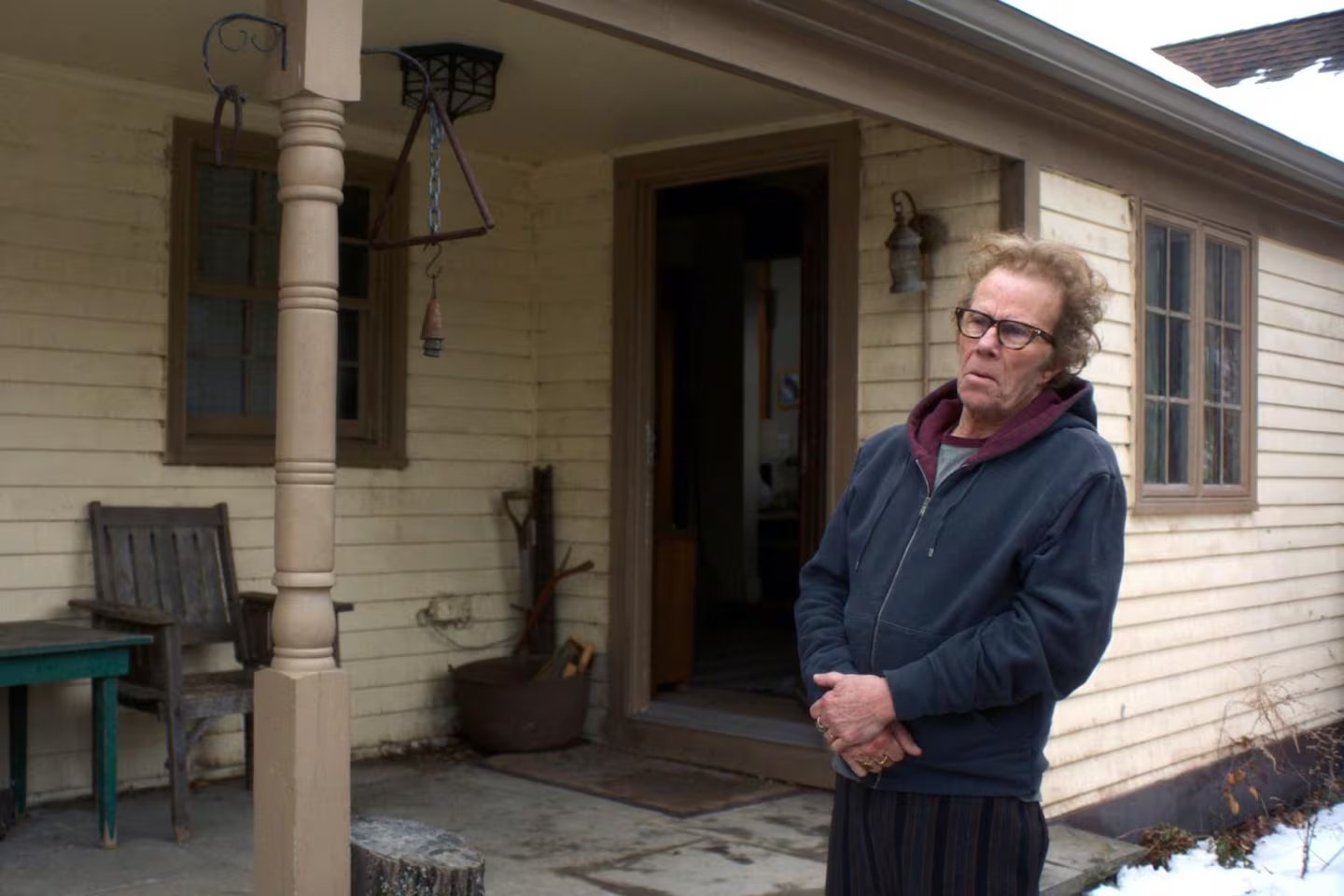
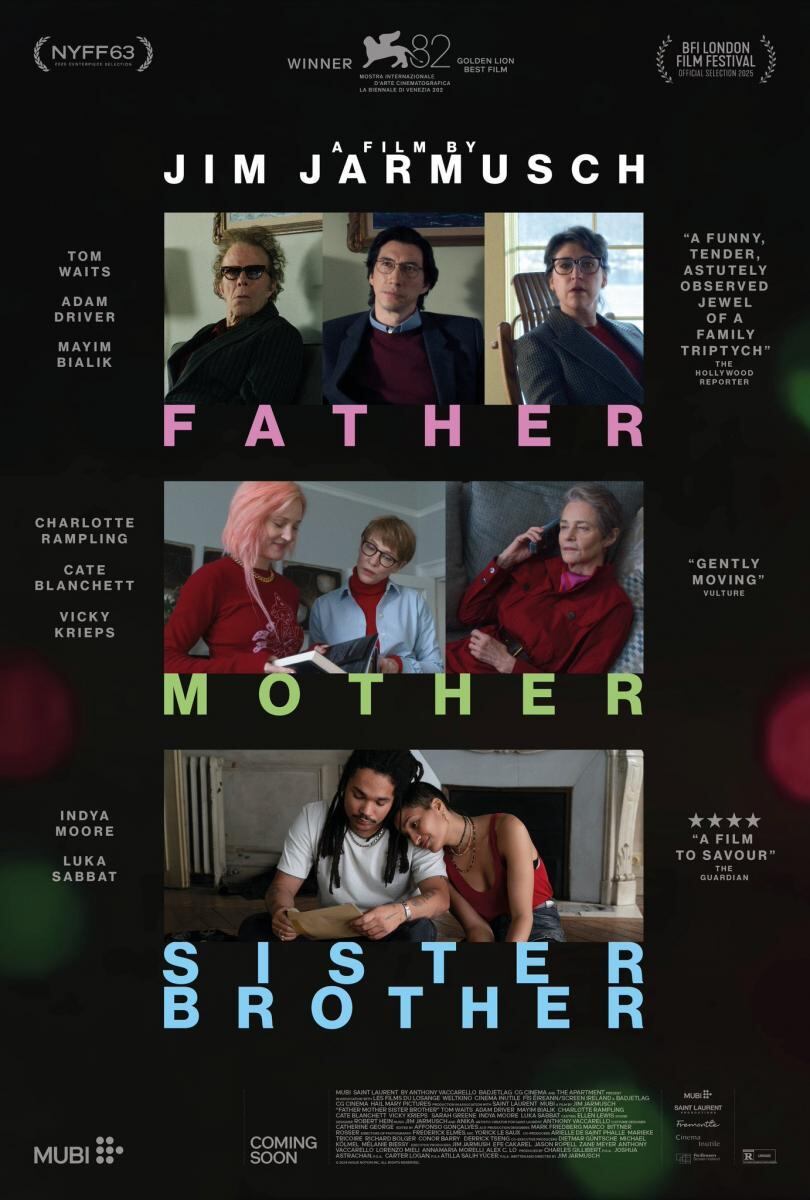
Father Mother Sister Brother (2025) confirms that idea. Divided into three stories that are variations of the same experience, the film displays an intimate geography in New Jersey, Dublin and Paris.
In each segment, what is essential does not occur in the facts but in the intervals: in the pauses, in the seemingly trivial conversations and in the silences that separate the characters. As usual, Jarmusch does not tell what happens, but what remains. And it does so in a fragmented way.
Episodes
In Mystery Train (1989), three drifting stories converge in Memphis. A Japanese couple tours Elvis’ mythical places; an Italian woman is suspended in a city she does not fully understand; three men lock themselves in a hotel room. The characters do not meet, but they share the feeling of being passing through a world that does not belong to them.
Two years later, in One night on Earththat logic expands to five cities—Los Angeles, New York, Paris, Rome and Helsinki—and five encounters that are variations of the same scene: a taxi driver and a passenger going through the night. Each story is autonomous and, at the same time, composes a world of misunderstandings where the comic and the melancholic coexist without hierarchies.
In Coffee and Cigarettes (2003), fragmentation reaches its most radical form. There is no longer movement or plot in a conventional sense: just characters talking around a table. Coffee, cigarettes and words. The themes appear in no apparent order, as if thought became cinematographic material. What unites these fragments is not a story, but the rhythm of the conversation that moves forward, stops and disperses.
What is not said
In Father Mother Sister Brotherfragmentation finds a new modulation. The three stories do not intersect, but they dialogue on a deeper level: that of family ties. It is not about the family as a stable nucleus, but as a territory of tensions, distances and opaque affections. Fathers, mothers and siblings are figures who seem to always be on the verge of saying something that they cannot put into words.
Jarmusch films silence like other filmmakers film action. In his films, the important thing is not what the characters do or say, but what remains suspended between them. Time, once again, appears as the true protagonist: a time that does not lead to a resolution, but rather accumulates, thickens and becomes experience.
Father Mother Sister Brother It is an atypical film in the contemporary panorama, which resists urgency and emphasis. Instead of building towards climax, build durations; Instead of closing senses, it leaves them open.
In the end, the film suggests that perhaps there is nothing to figure out and that cinema does not need to move towards a denouement. Sometimes it is enough to observe how life goes by, how words are half said and how bonds persist in their fragility. Sometimes time is simply enough.