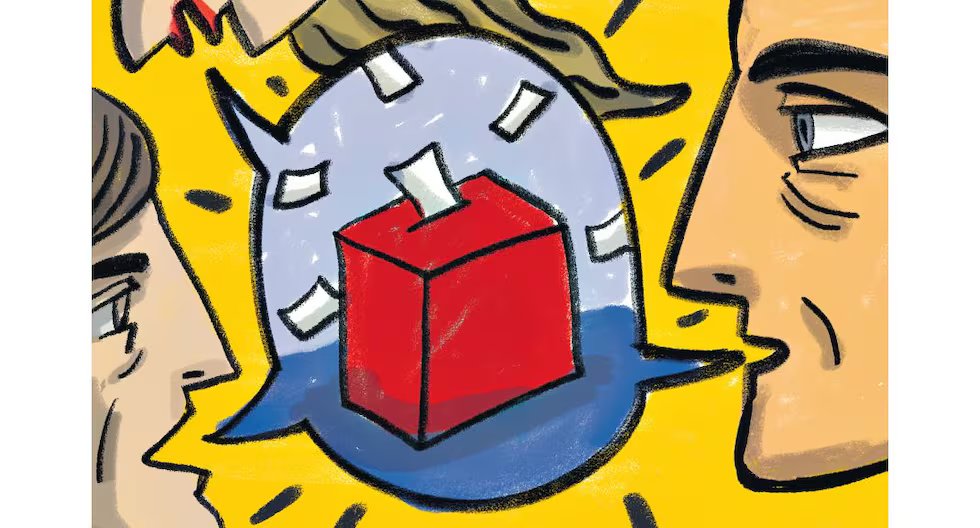

This column was born before knowing the electoral results. Therefore, it touches on specific aspects of the campaign and the challenges that the winners and losers will face yesterday, Sunday the 7th.
One of the most reprehensible behaviors of the process is racism, visible especially on social networks. The humiliating epithets directed at Andean Peruvians are impressive at this point in the 21st century: “serrano brute”, “brainless”, “llama”, “huanaco”… Those who insult consider their compatriots as entities capable only of producing the basics, not of thinking and even less of voting clearly. They see them as inferior people and, therefore, susceptible to being animalized. Two hundred years after independence, racism is shameful and is evidence that the construction of a national community is a pending task.
This contempt, moreover, is one of the main factors of the current polarization. The hatred towards Lima has a political, social and also cultural origin.
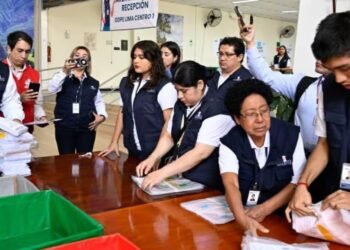
Looking ahead to the coming months, it is to be hoped that the country will not become bogged down in an exhausting dispute over who won the elections, as a result of a narrow difference in votes. The JNE and the ONPE must give the results in short periods of time, and the loser must accept them no matter what.
How to face the challenge of getting out of the political crisis that bogs down the country? There are two fronts of major concern: on the one hand, the instability at the heights of power, and on the other, the deep citizen distrust of politicians. It is worth remembering, in this regard, the low vote of the victors of the first round: Fujimori, only 17%; Sánchez, 12%. Added together: 29%, just over a quarter of the voters.
In short, there is no short-term solution. Meanwhile, among the options in sight are authoritarianism and the alternative of making agreements. Authoritarianism is costly, it leaves indelible marks on people, on society and on the State itself. The second option is preferable if it constitutes the basis of a democratic pact and national reconstruction; However, will there be groups interested in taking it seriously? A third ‘way out’ is to let the State and society continue to deteriorate, at an also incalculable cost.
The truth, for the moment, is that if, as a country, we do not come out of this somewhat more united –less politically, socially and culturally opposed–, achieving this will be increasingly difficult.