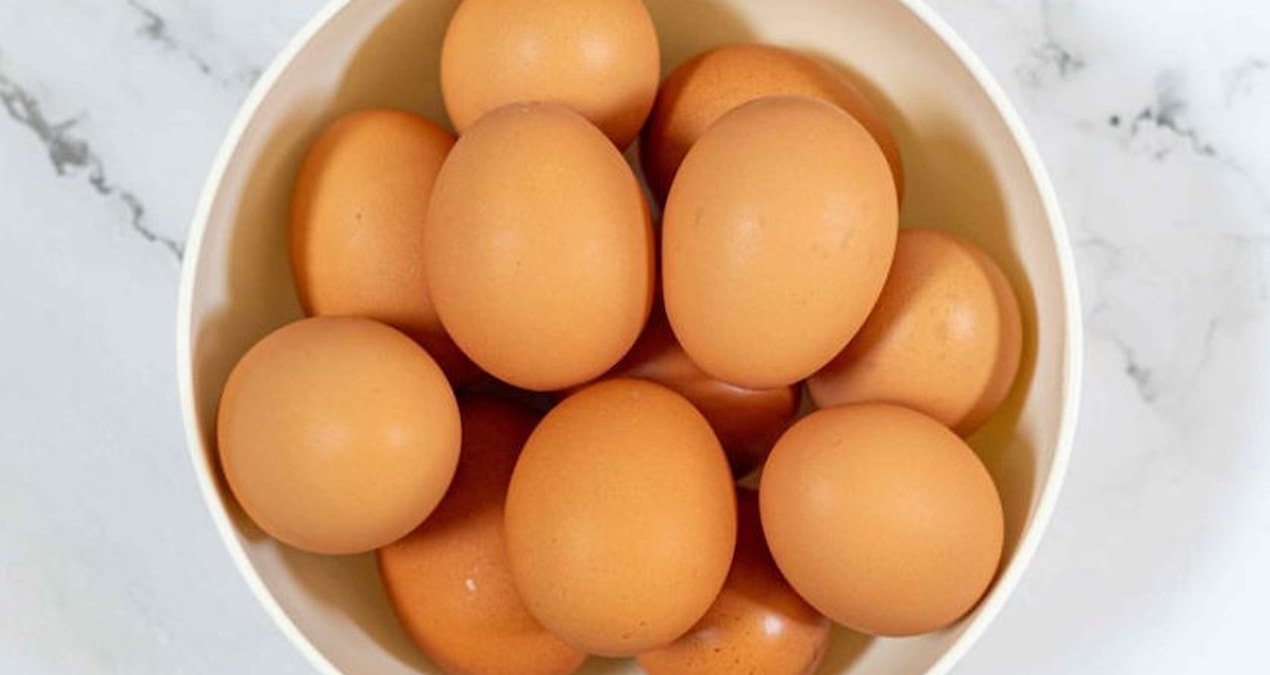
It is a very good habit to place the fruits and vegetables we buy from the greengrocer or market on the counter as soon as we get home, wash them meticulously, and remove any pesticide residues and dirt on them. Just as it makes sense to bathe foods that are visibly muddy, such as leeks or mushrooms, extra care is necessary for delicate fruits such as strawberries. Experts even recommend washing onions before cutting them to prevent the bacteria in their skin from passing into the interior through the knife. For eggs, this requires a very different process.
THE HARMFULNESS OF WASHING EGGS HAS BEEN REVEALED
It’s true that eggs are a perishable, delicate source of protein and can harbor germs. Even a fresh egg whose shell looks completely clean and crack-free can cause serious food poisoning. Salmonella can carry bacteria. Because of this danger, eggs should be treated just like raw meat, chicken or fish. However, the secret lies not in washing it, but in managing it correctly.
According to data from the United States Department of Agriculture (USDA), washing store-bought eggs with water at home, far from reducing the risk of bacterial contamination, increases it exponentially.
The scientific truth behind this is quite striking: Egg shells have a porous structure. When you wash the egg with water (especially water colder than the egg’s own temperature), those microscopic pores in the shell draw the outside water in like a vacuum cleaner. Along with the water, all bacteria sleeping on the surface of the shell are also “sucked” into the egg. This situation invites fatal food poisoning.
THEY ARE CLEANED WITH A SPECIAL METHOD
“So why do the eggs we buy from the market look spotless?” you may think. Large manufacturers wash and sterilize eggs using very specific methods before packaging, in accordance with strict food safety protocols. In these professional washing processes, the temperature of the water and the ingredients used are controlled so precisely that the washing water is completely prevented from entering the egg. It is impossible to achieve this balance under tap conditions at home.

4 GOLDEN RULES OF SAFE CONTACT WITH EGGS
According to health authorities, the way to protect yourself from diseases when consuming eggs is not to rub the shell with soap and water, but to strictly follow these rules:

Do not disrupt the cold chain: Always store eggs at temperatures of 4 degrees or below, always in the refrigerator.
Cook Completely: When consuming eggs, make sure that both the white and the yolk are thoroughly cooked until they are completely solid.
Wash Your Hands, Not the Egg: After touching a raw egg, carefully wash your hands, countertops and containers that the egg has touched, with hot soapy water. Remember; It’s not the egg that needs to be washed, it’s your hands.
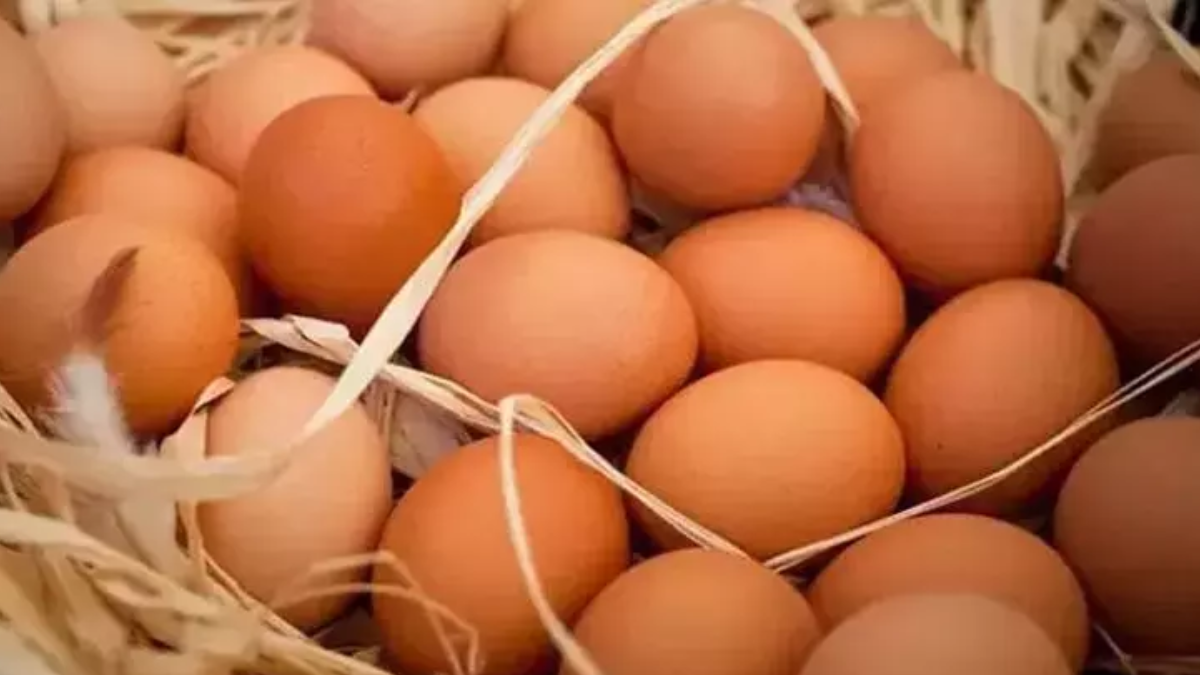
Dry Solution to Farm Eggs: If you bought a natural egg with feathers or straw residue on it, directly from the farm rather than from the market, do not use water. Remove these dirts by gently wiping them with a dry cloth or paper towel just before cooking the eggs.
The final word of food safety experts is clear: Never, ever wash the eggs you buy from the market. If you want to protect your health, do not wash; Focus on correct refrigerator storage conditions, hygienic handling and good cooking.
All copyrights of the articles, news and photographs published on the website www.sozcu.com.tr belong to Mega Ajans and Rek. Tic. It belongs to A.Ş. It cannot be quoted without permission, even by citing the source.