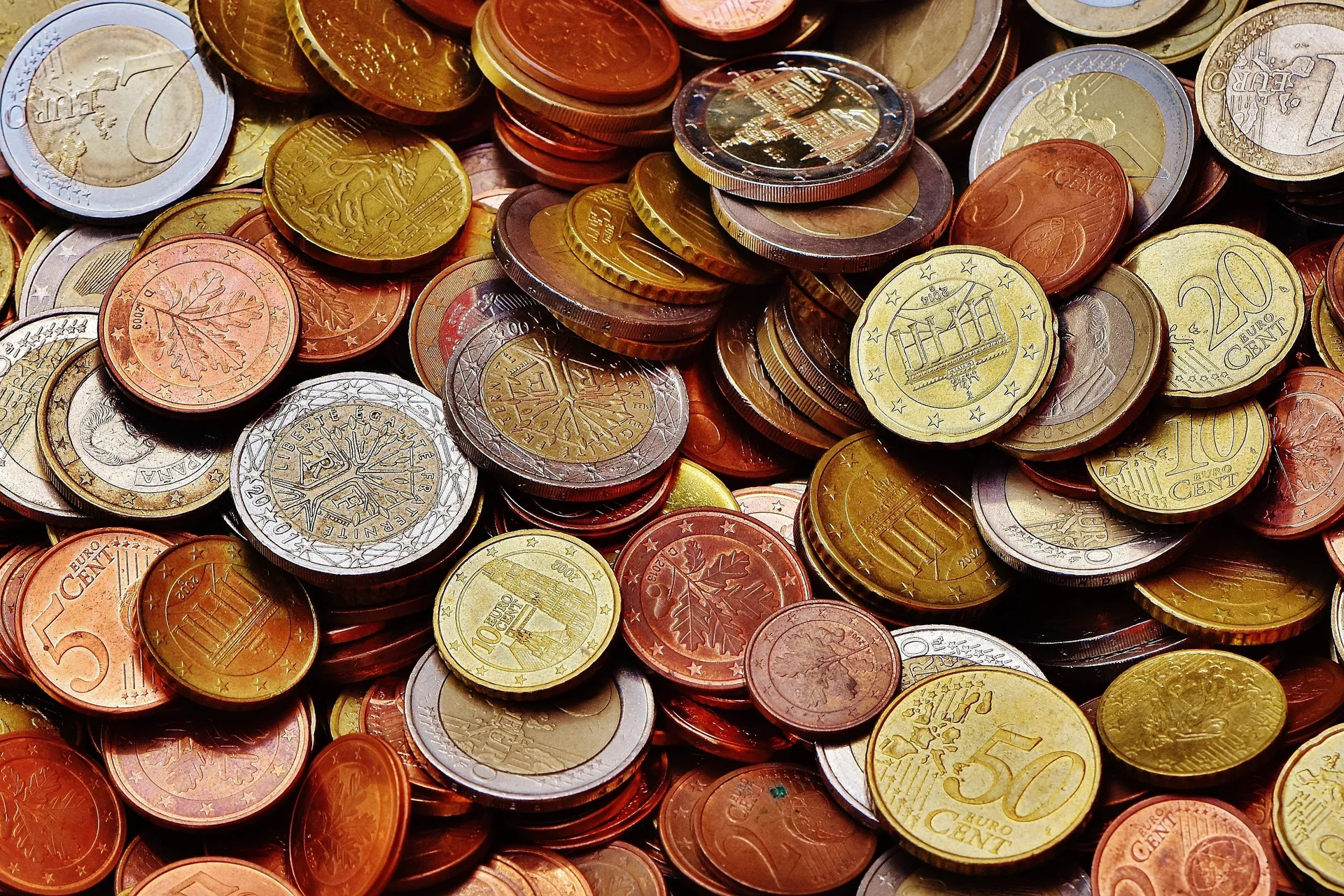
Although most citizens use the euro on a daily basis without paying particular attention to the coins that pass through their hands, individual specimens can be worth many times more than their face value.
Namely, certain mistakes made during the minting process can turn an ordinary coin into a rare collector’s item for which numismatists are ready to shell out hundreds of euros.
Coin from Monaco among the most sought after
One of the most famous examples is the one euro coin from Monaco from 2007.
On the standard copies, below the portrait of Prince Albert II, there is the year of issue and the cornucopia symbol, i.e. the mint mark. However, on 2,291 coins that symbol is not stamped.
Because of this mistake, collectors today pay between 500 and 650 euros for such specimens.
Experts point out that actual minting errors are very rare because most defective specimens are detected and withdrawn before they reach circulation. This is precisely why their value on the market can increase significantly.
Mistakes that can make money
Among the most sought-after errors on euro coins, the following stand out:
– The reverse side of the coin – when the front and back sides are misaligned, the value can reach up to 200 euros.
– Wrong ring or core – for example when the motif of a two-euro coin appears on a base intended for one euro. Such specimens can be worth up to 650 euros.
– The so-called “egg on the eye” effect – when the central part of the coin is not properly round but oval. The value of such specimens can reach around 100 euros.
Experts warn of scams
The German Association of Numismatic Dealers warns that you should be careful when buying or evaluating supposedly rare coins on the Internet.
Many ads offer “rare” euro coins at very high prices, although in most cases they are ordinary examples with scratches, bumps or signs of use, rather than genuine manufacturing errors.
Especially sought after small countries
According to Deutsche Bundesbank, there are more than 150 billion euro coins in circulation, which is why minor differences and deviations are quite expected.
However, genuine minting errors remain extremely rare and therefore highly prized among collectors.
Coins from Monaco, San Marino and the Vatican, which are produced in much smaller quantities than the coins of other eurozone members, are particularly sought after, so they quickly become valuable collectibles.