In the Nineveh plain, the green peppers grown in Qaraqosh have become a small symbol of rebirth. With rice, lamb and spices they give flavor to the “dolma”, one of the most typical dishes of Iraqi cuisine. Qaraqosh is a city that has many souls: in addition to the Syriac name, which means “black bird”, it has an Arabic one, Baghdida, the “city of God”. It is located about 30 kilometers away from Mosul, the regional capital, the ancient Nineveh crossed by the Tigris River.
Qaraqosh has seen ancient splendors and difficult times, even recently. In 2014, fighters from the self-styled Islamic State occupied streets, squares and places of worship, forcing most of the 50,000 inhabitants to flee. Then there were new advances, bombings and retreats. Until the visit of Pope Francis, with the mass in the Cathedral of the Immaculate Conception, which had been used as a shooting range by the fighters, restored hope. It was 2021. Since then there have been other changes, between the Tigris and the desert. Green peppers are one of them.
“It wasn’t easy at the beginning,” underlines Frans Awdar Barbar, taking a break between the rows in a greenhouse. «It takes time and effort, because plants require care and energy; it’s not just about watering, you need constant attention.”
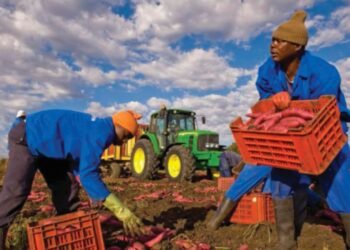
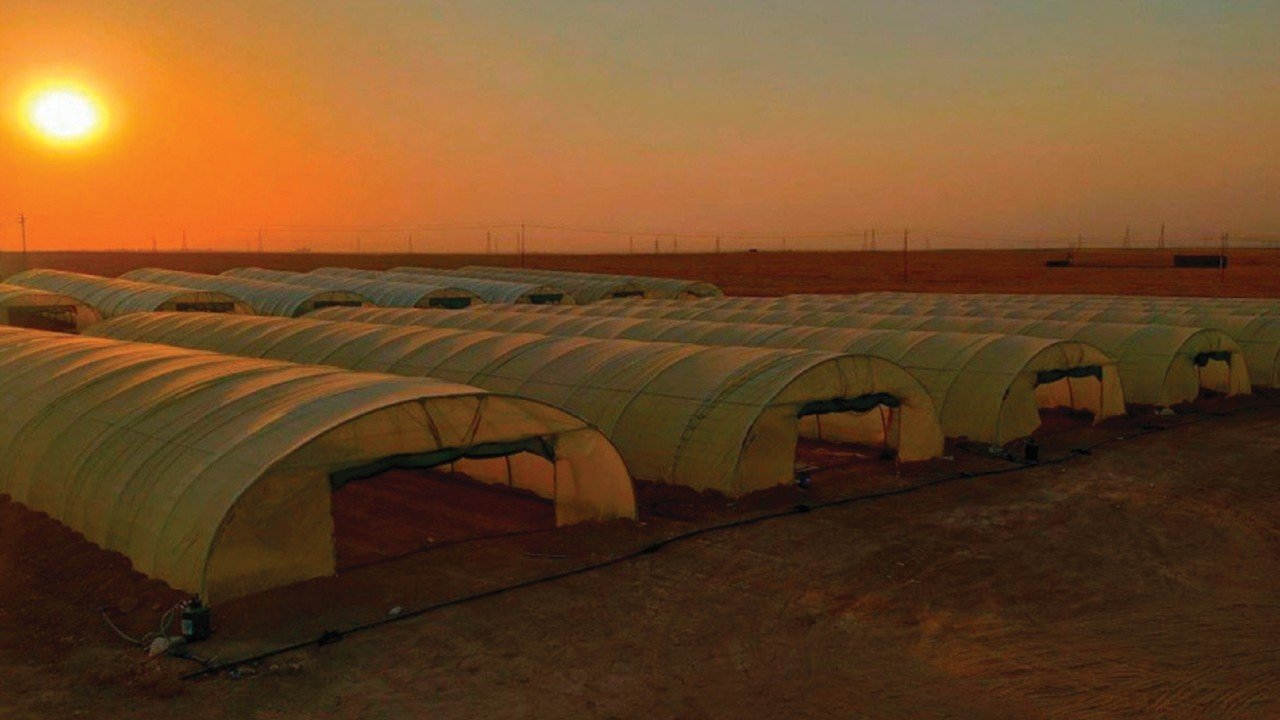
Awdar is one of 60 farmers working in 20 structures covered in white tarpaulins. Greenhouses appeared some time ago: they protect the seedlings from the night frost and, during the day, from the desert sun. “They are giving life back to the land and prospects to families,” says another farmer. It’s called Nouri Hamoukan Boulos and shows a row of cucumbers. “Each plant is supported by ropes, because it is fragile and could bend or break,” he explains. “Some reach a height of one and a half or even two meters.” Two or three tons of cucumbers per day were also sent and sold to the market from the greenhouses. Fadi Sadullah, another farmer, however, highlights a different aspect. «On this farm we work as one family», he says: «If someone is missing, the others work even harder to ensure that everything goes forward, with a spirit of cooperation».
The testimonies are shared by Focsiv, the Italian Federation that manages the greenhouse project. The initiative is entitled Paths of peace and dialogue between communities in Iraqi Kurdistan and Iraq: it includes training courses, from sowing to irrigation, and is at the same time a reminder of the challenges of a country that is a splendid but fragile mosaic. According to Ivana Borsotto, president of Focsiv, «in territories still marked by conflicts and instability, investing in food security and the protagonism of local communities means building real conditions of stability and coexistence».
The commitment, possible thanks to the 8×1000 funds to the Catholic Church, is not limited to agriculture. «The project has guaranteed educational, artistic and scholastic support activities for over 500 children and young people, offering safe spaces for aggregation and growth in a context in which services for young people are still very limited», underlines Borsotto. «Attention was also dedicated to female empowerment, through training courses and economic support aimed at 50 women from the Nineveh plain». The challenge is to encourage the start-up of activities that generate income and contribute, after years of violence, to strengthening the fabric of communities with a view to peace. (Vincenzo Giardina)