The thermal energy tariff of JSC “Rīgas siltums” could decrease by 0.1% from October 1 of this year – to 82.9 euros per megawatt-hour (MWh) without value added tax (VAT), according to the information published by the company in the official publication “Latvijas Vēstnesis”, but at the same time the company warns that the thermal energy tariff may have to be reviewed again in the next heating season and it may increase.
Heat energy the increase in the production tariff is planned by 2.8% – from 56.7 euros per MWh to 58.31 euros per MWh without VAT, the increase in the heat energy transmission and distribution tariff is planned by 4.7% – from 22.03 euros per MWh to 23.07 euros per MWh, the increase in the heat energy trade tariff is planned by 2.2% – from 1.83 euros per MWh to 1.87 EUR per MWh, the increase of the excise tax component is planned by 42.5% – from EUR 0.4 per MWh to EUR 0.57 per MWh, while the component of unexpected revenues is planned for EUR 0.92 per MWh without VAT.
On the other hand, from October 1, 2027, the thermal energy tariff of “Rīgas māla” could increase by 1.1% – up to 83.82 euros per MWh without VAT.
The company informs that the tariff changes are related to the creation of a new production plan, revision of the fixed costs of parts, construction of the electrode boiler, changes in excise duty and changes in unexpected income/expenses.
The relevant tariff project has been submitted to the Public Services Regulatory Commission (SPRK).
Currently, the heat energy fee in Riga is 83.01 euros per MWh without VAT.
At the same time, the press release issued by “Rīgas pratma” states that the company’s current forecast shows that in the next heating season the thermal energy tariff may have to be reviewed again and it may increase. Currently, however, it is not possible to accurately determine the extent of the potential increase, as it will mainly be affected by natural gas prices in the coming months, which depend on external conditions, especially events in the Strait of Hormuz, says “Rīgas siltumā”.
The company states that currently the changes apply only to the permanent component of the tariff, which makes up about a third of the total heat energy tariff. Since 2023, significant investments have been made in Riga’s heat supply infrastructure, which until now have not been fully reflected in the tariff. These investments promote the transition to renewable energy sources and reduce dependence on fluctuations in natural gas prices.
At the same time, as the use of wood chips has increased, the amount of usable ash has also increased, as well as the costs of security and information technology infrastructure related to the protection of critical infrastructure have increased in recent years, according to “Rīgas siltums”.
The company’s announcement states that the permanent component of the tariff covers investments in the renewal of heat networks, the construction and modernization of heat sources. The changes will allow “Rīga heat” to continue the modernization of the infrastructure.
However, the total tariff level in the next heating season will mostly be determined by the variable part of the tariff, which is directly related to the prices of energy resources, especially the dynamics of natural gas prices. The situation in this segment is currently changing – in recent months, due to the increase in geopolitical tension in the Middle East region, natural gas prices have increased significantly, and the current tariff is calculated at the TTF natural gas price of 33 euros per MWh, while it currently fluctuates around 50 euros per MWh, which is approximately 50% more, the company explains.
In the spring and summer season, thanks to the wood chip boiler houses and the “Rīgas situma” electrode water heating boiler, the use of natural gas in Riga’s heat supply is minimal. In preparation for the next heating season, it is necessary to make natural gas purchases, and the unpredictable fluctuations of the natural gas market may affect the tariff for the next heating season, warns the heat producer.
A more precise impact on the tariff will be known after the fulfillment of a number of important prerequisites – an agreement with JSC “Latvenergo” on thermal energy purchases, the implementation of the price ceiling set by PUK for thermal energy, natural gas procurement and the implementation of the planned thermal energy market improvements, according to “Rīgas siltums”.
The company explains that, similar to before the previous heating season, it is also currently implementing measures to reduce the tariff increase as much as possible. This year, natural gas is purchased gradually in order to diversify risks and reduce the impact of events in the Middle East region on Riga’s heat supply tariff. At the same time, the company continues to follow the dynamics of market prices, develop the thermal energy day market and increase the use of residual heat in Riga’s heat supply.
“Rīgas siltums” draws attention to the fact that it cannot affect the global price of natural gas, but it can reduce its impact on the people of Riga, so the strategic direction of the company is to gradually reduce dependence on natural gas, which still significantly affects the heat energy tariff.
“The company develops the capacities of renewable energy resources, expands the use of residual heat, increases the flexibility of production and continues the modernization of the infrastructure. The aim of these measures is to create a safer and more resistant to price fluctuations heat supply system in Riga. The most important directions of development: integration of electrode boilers into the heat supply, construction of biomass equipment, increasing the efficiency of existing equipment (heat pump technologies), construction of heat energy storage capacity,” says “Rīgas małta” in the announcement.
LETA already announced that “The heat of Riga” the group’s turnover in the first half of the financial year, which lasted from October 1, 2025 to March 31, 2026, was 208.386 million euros, which is 10.1% more than in the corresponding period a year earlier, while the group’s profit increased by 20.6% and reached 40.254 million euros.
The turnover of the parent company “Rīgas siltums” in the relevant period was 208.381 million euros, which is an increase of 10.1%, while the company’s profit increased by 56.1% – up to 35.081 million euros.
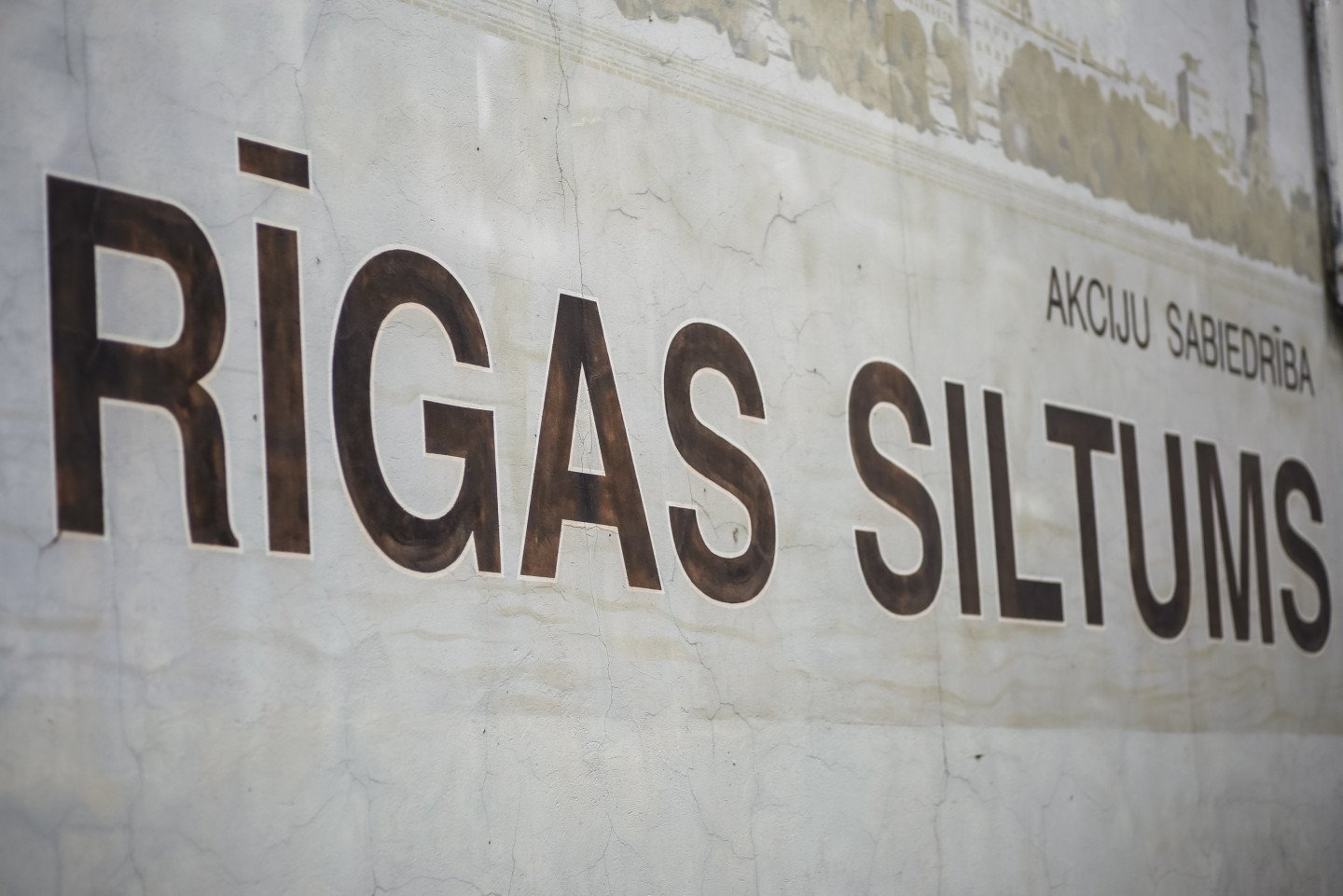
“Rīgas siltums” is one of the main suppliers of thermal energy in Riga. 49% of the company’s capital belongs to the Riga City Council, 48.99% to the State of Latvia, 2% to SIA “Energiųs odšilių. RIX”, while “Latvenergo” owns 0.005% of the shares.