ver the last couple of weeks, Zhongnanhai, the sprawling compound in the heart of Beijing that hosts the headquarters of the Chinese Communist Party and the State Council, has been drawing global attention. Recent visits to China by United States President Donald Trump and Russian President Vladimir Putin, occurring just days apart from each other, have highlighted what might appear to be the unstoppable power and prestige of President Xi Jinping.
Yet, it is worth shifting our focus to a much smaller corner of the Indo-Pacific: Andong. This ancient settlement represents one of the most iconic epicenters of Korean heritage south of the Military Demarcation Line. A charming locale rich in history and tradition, Andong also happens to be the hometown of South Korean President Lee Jae-myung, and it recently hosted the fourth South Korea-Japan summit.
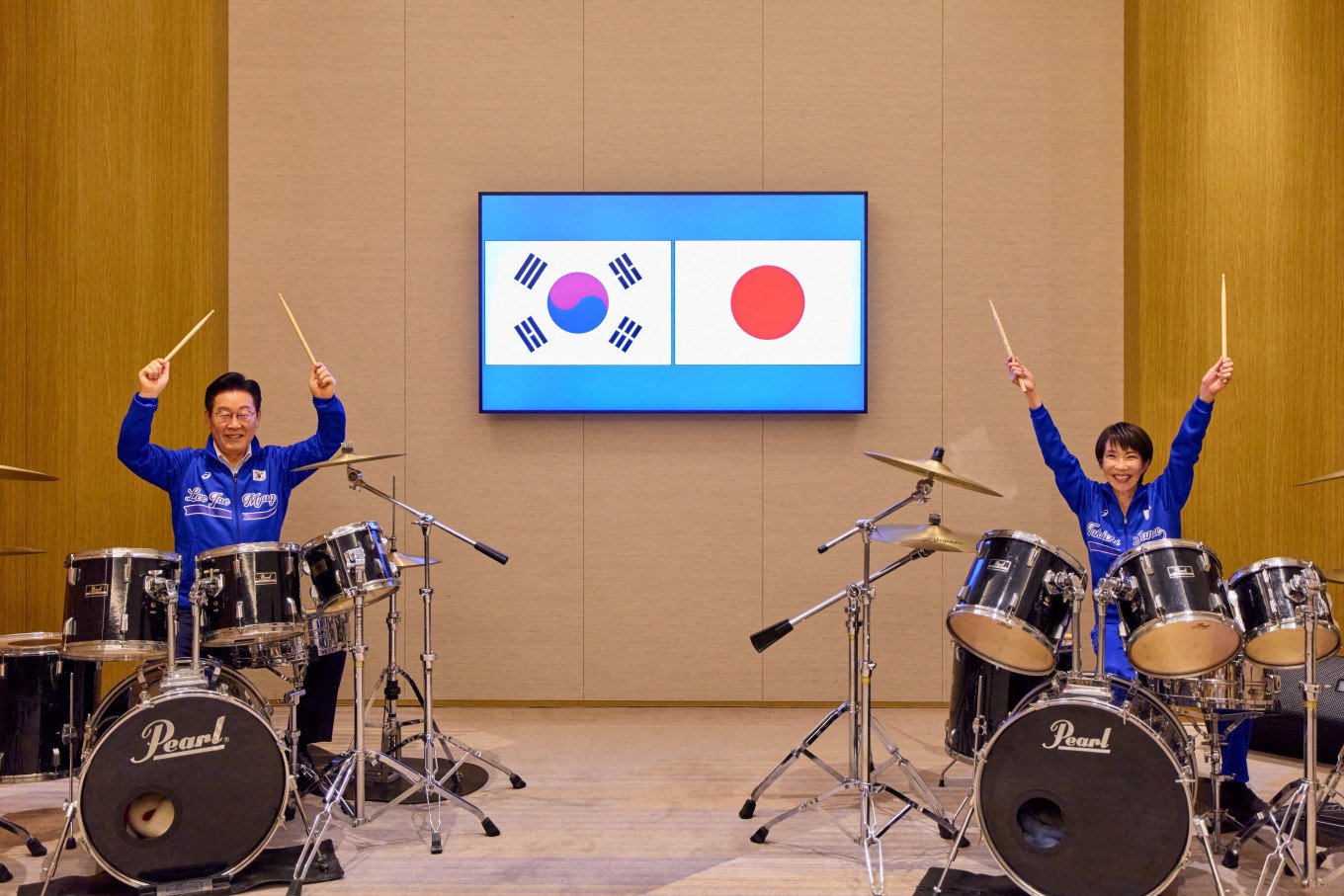
Japanese Prime Minister Sanae Takaichi and her host, President Lee, seem to have developed a compelling chemistry despite their vastly different backgrounds and political alignments. This level of pragmatism between the West’s two most critical allies in the region provides a welcome relief at a time when geopolitics and regional rivalries are becoming increasingly unpredictable. Ensuring not only stability but a steady advancement in bilateral relations between Seoul and Tokyo could prove to be a vital determinant for a free, open, and peaceful Indo-Pacific.
A more assertive and self-confident China, despite its internal economic uncertainties, makes a strong alliance between Japan and South Korea an imperative. The summit in Andong focused heavily on energy cooperation and securing global supply chains amid a world in turmoil. There is a great deal that Seoul and Tokyo can achieve on these two fronts in a highly pragmatic fashion.
Yet, at their core, the talks between Lee and Takaichi were essentially about trust-building. Trust is the intangible element required to elevate relations to a higher level of strategic engagement that would greatly benefit both nations, as only deeper trust can lead to an enhanced security and defense partnership.
It is worth recalling that the summit occurred against a backdrop where North Korea never misses an occasion to pressure its rivals. Kim Jong-un thrives on fomenting regional tensions and unleashing threats. “Pyongyang brands Japan’s security overhaul bid as move to become ‘war state,’” read a recent headline from the Korea Times.

Every Thursday
Notably, this strengthening of bilateral ties is happening without any visible encouragement from Washington. While one could argue that the institutional groundwork of past US Indo-Pacific policies is finally bearing fruit, the fact that Seoul and Tokyo are serious on their own about building a stronger relationship—without being actively prodded by a volatile Washington, makes the rapprochement between the two democracies more sustainable for the long term.