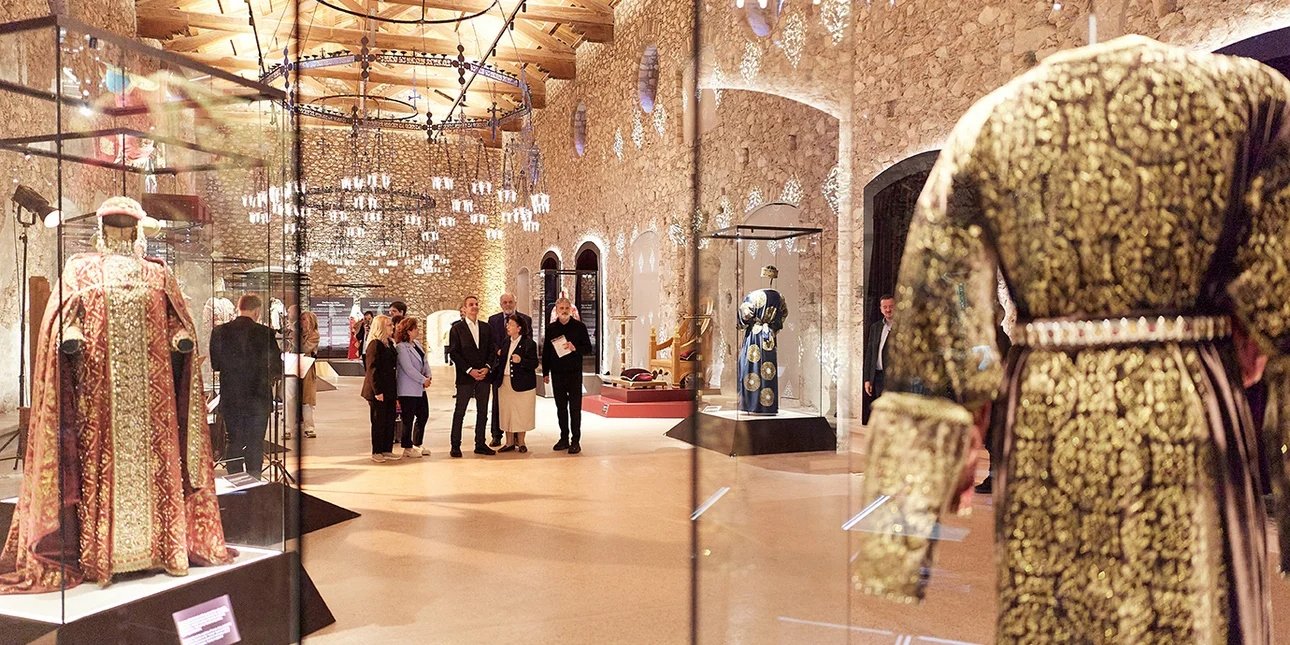
After 42 years of work, the fully restored Palace of the Despots in Mystras opened to the public Peloponnese. The palace in question, also known as the Palace of the Rulers, dominates Ano Chora of the Kastropolis of Mystras and is the most important secular monument of the area.
Built in successive phases from the 13th to the 15th century, it served as the administrative, political and cultural center of the Despotate of the Moreos.
Members of the Paleologos dynasty lived and ruled here, in a time of intense cultural creation as well as dramatic historical developments. It was from this palace that Constantine Palaiologos set out to become the last emperor of Constantinoplewhile the place was a center of intellectual and artistic flourishing until the last days of Byzantium.
42 years of restoration: What has changed?
After decades of systematic scientific work, the monument was delivered fully restored, safe and functional to the public. The inauguration were carried out by the Prime Minister, Kyriakos Mitsotakis, and the Minister of Culture, Lina Mendoni, marking the completion of one of the most demanding restoration projects in the Greek territory.
The interventions include the upgrading of the tour routes for greater accessibility, the installation of a modern fire protection and water supply system, as well as the improvement of the security infrastructure. The Palace is now transformed into a living exhibition space, while maintaining its authenticity and historical importance.
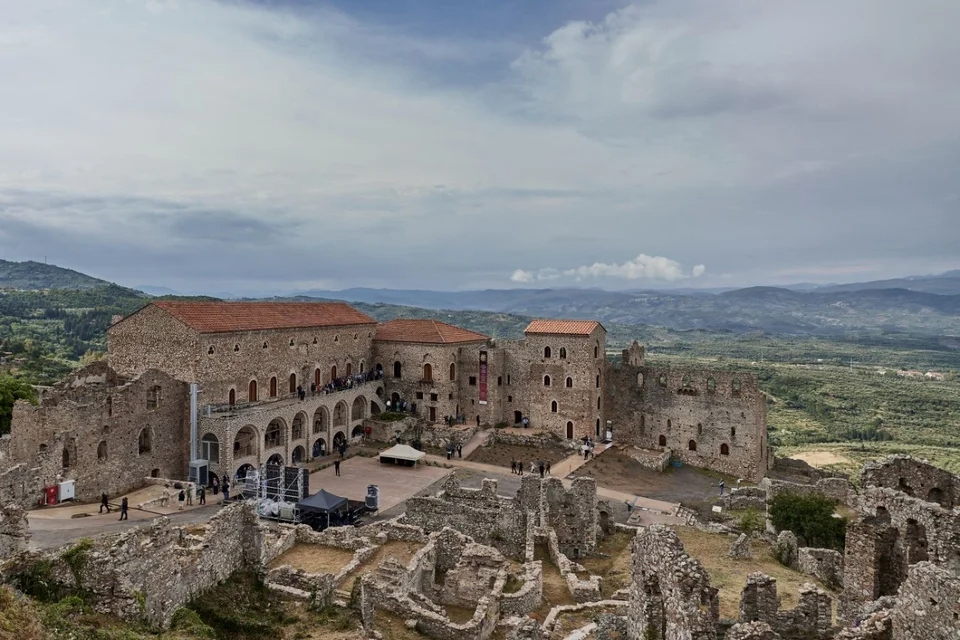
The Throne Room and the “Hegemonic Narratives” exhibition
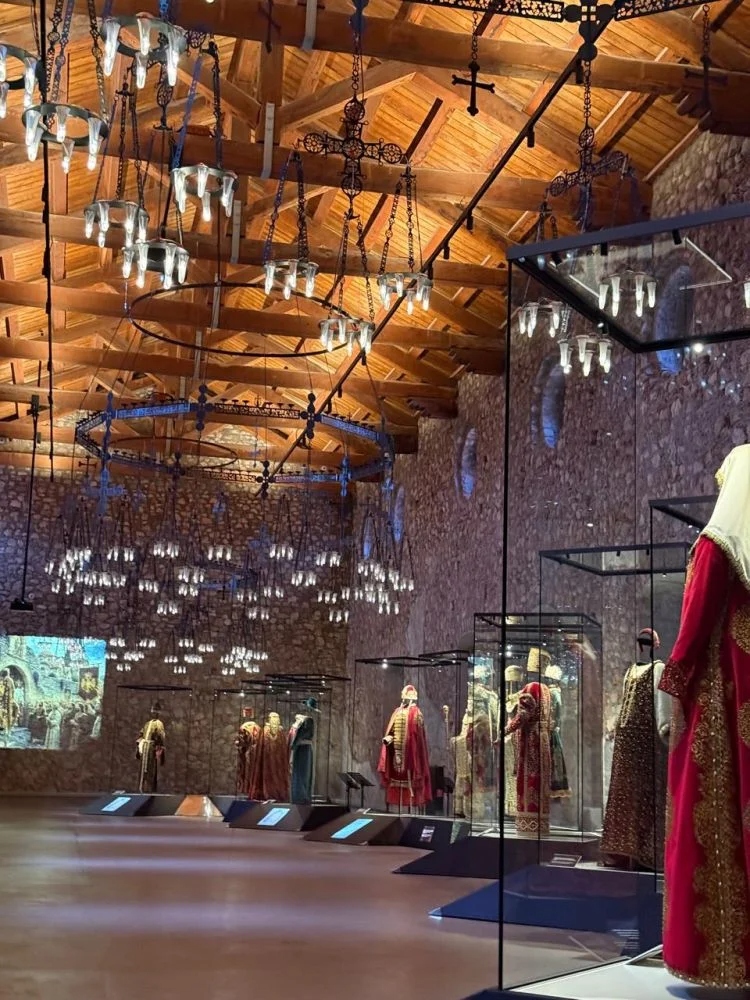
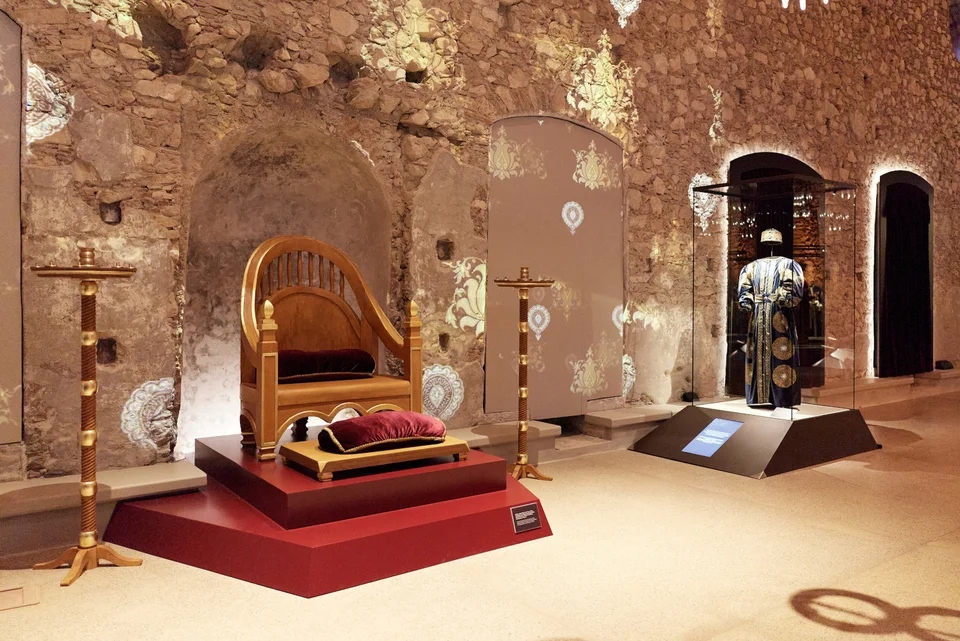
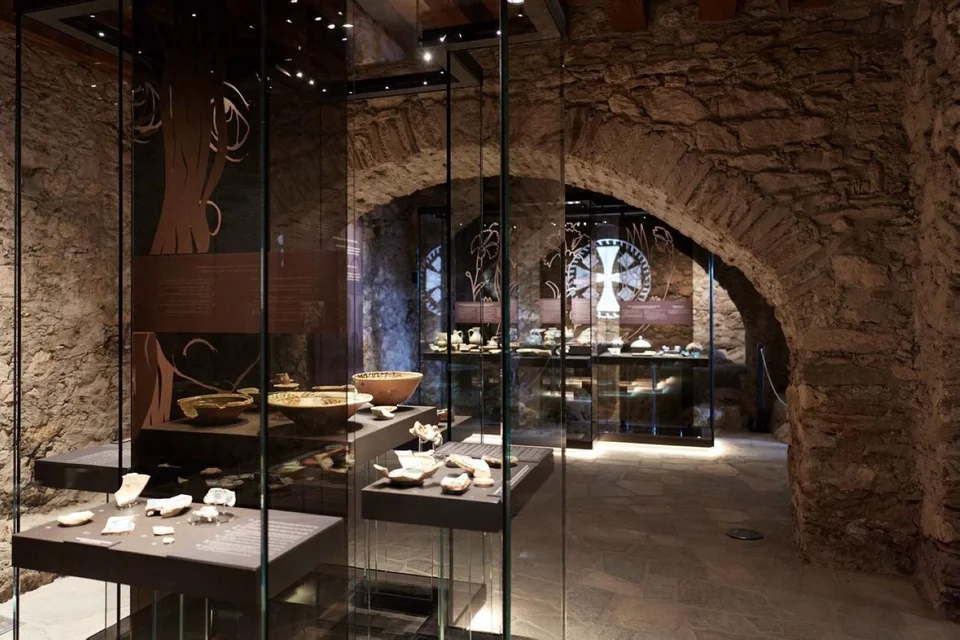
Central point of the new experience is the Throne Room, which comes back to life through the permanent exhibition “Hegemonic Narratives”. Through physical exhibits and digital applications, the visitor can follow the history of the complex, the life of the Despots and the cultural heyday of the Palaeologian Renaissance.
The tour is flanked by two periodical exhibitions. The first one, entitled “In the Sarayas of the Queen”, concerns the historical reception of Mystras through the centuries and the other one entitled “Epikasma indoxou peripolia”, is hosted in the imposing Throne Room and focuses on clothing as a symbol of power and social identity. It presents handmade Byzantine costumes, creations of the brotherhood of Pantanassa with the valuable assistance of the costume department of the National Opera, which represent in great detail the courtly magnificence of the time.
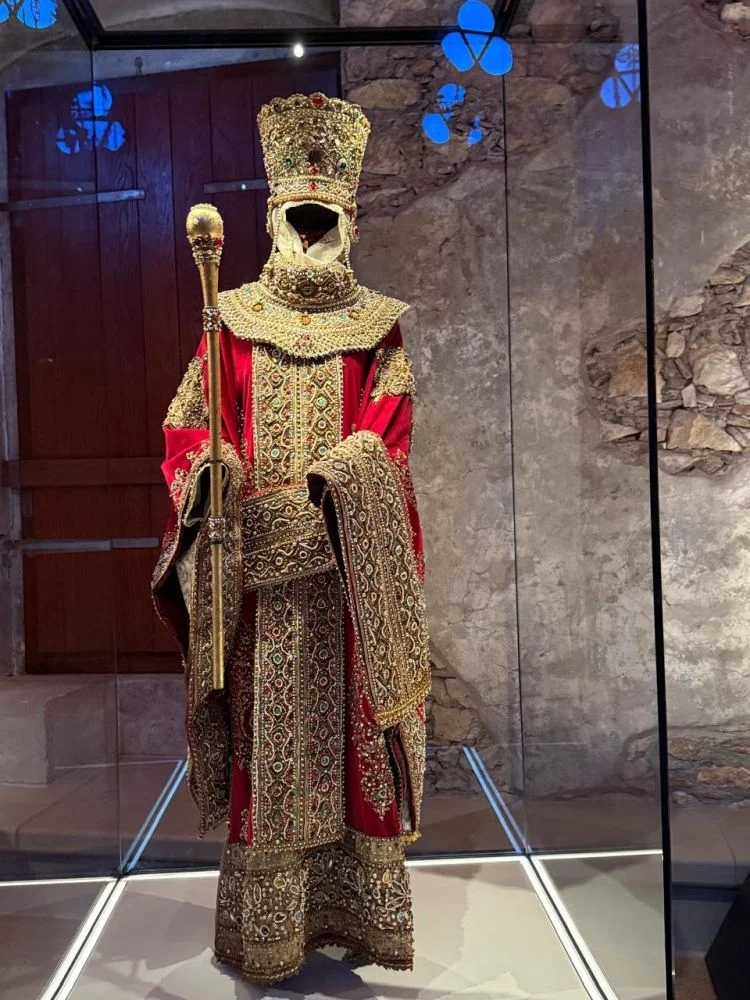
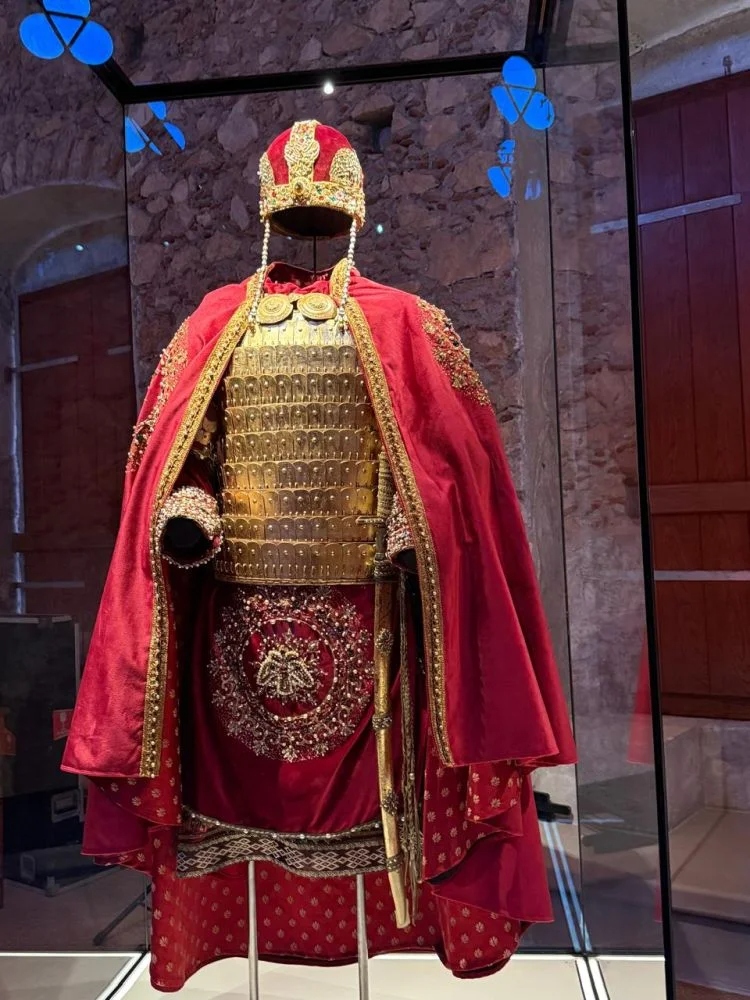
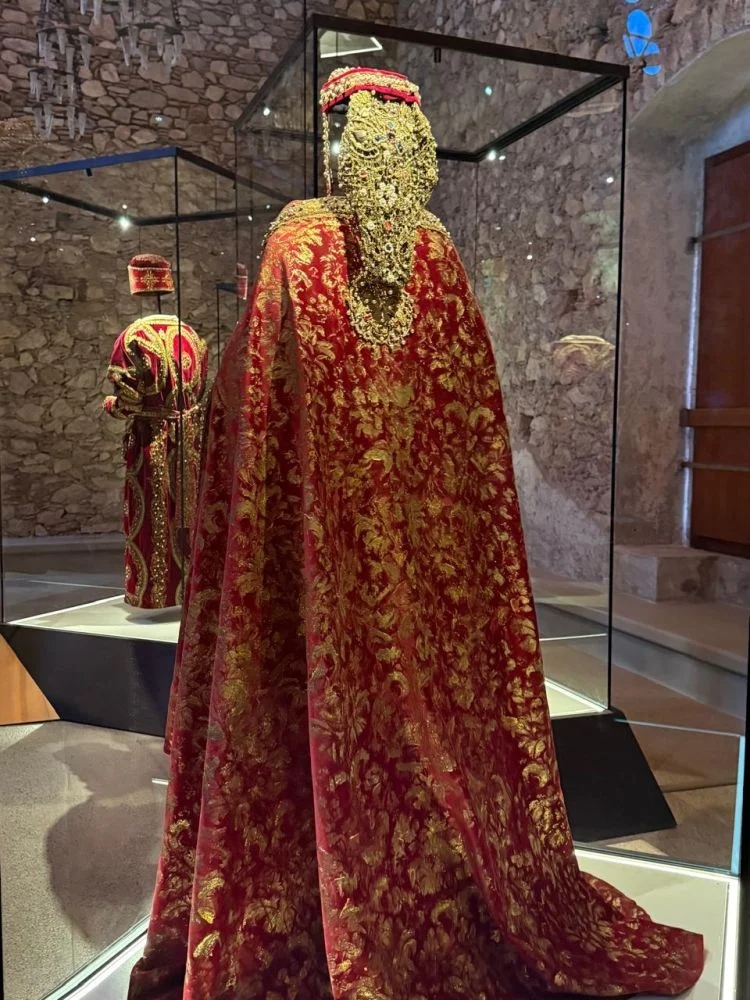
This exhibition includes handmade costumes of the Palaiologian court, inspired by Byzantine iconography, which were created by the monastic brotherhood of Pantanassa, with the valuable assistance of the costume department of the National Opera.
How was the life of the Despots in the 15th century
The Palace was not just a residence, but an entire complex that included ceremonial halls, private quarters, administrative offices and terraces with breathtaking views of Taygetus and the Eurotas valley. The Despots of the Moreus maintained here a court of intense intellectual activity, philosophical discussions and artistic creation, while at the same time managing the affairs of a semi-autonomous state that endured for a little while longer after the fall of Constantinople in 1453.
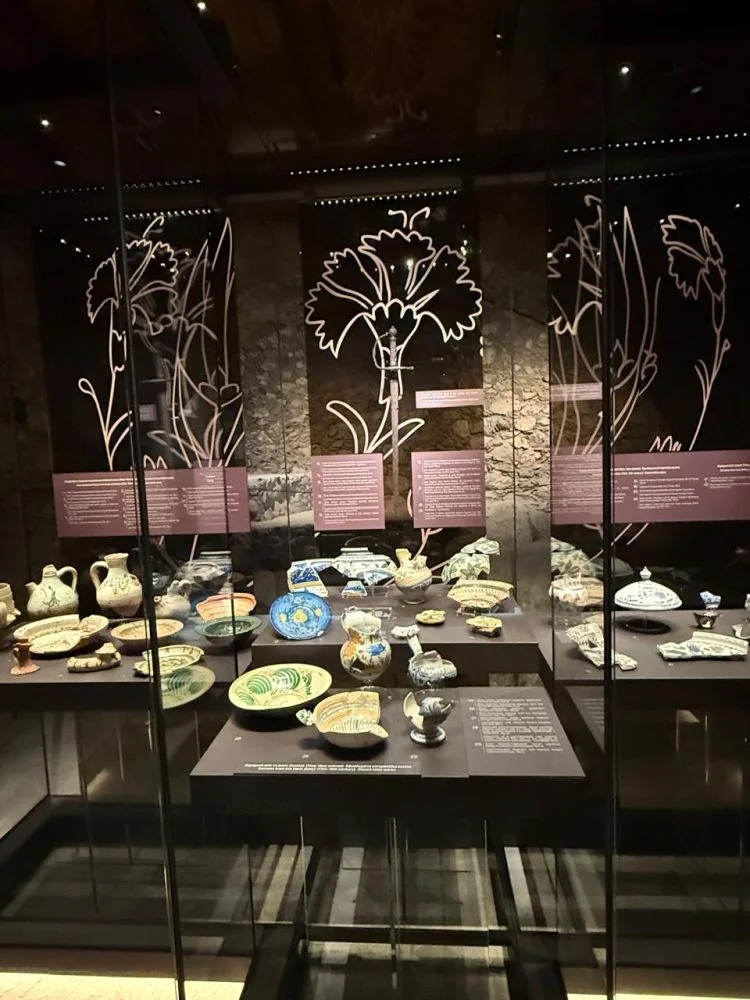
How was the life of the Despots in the 15th century
The Palace was not just a residence, but an entire complex that included ceremonial halls, private quarters, administrative offices and terraces with breathtaking views of Taygetus and the Eurotas valley. The Despots of the Moreus maintained here a court of intense intellectual activity, philosophical discussions and artistic creation, while at the same time managing the affairs of a semi-autonomous state that endured for a little while longer after the fall of Constantinople in 1453.
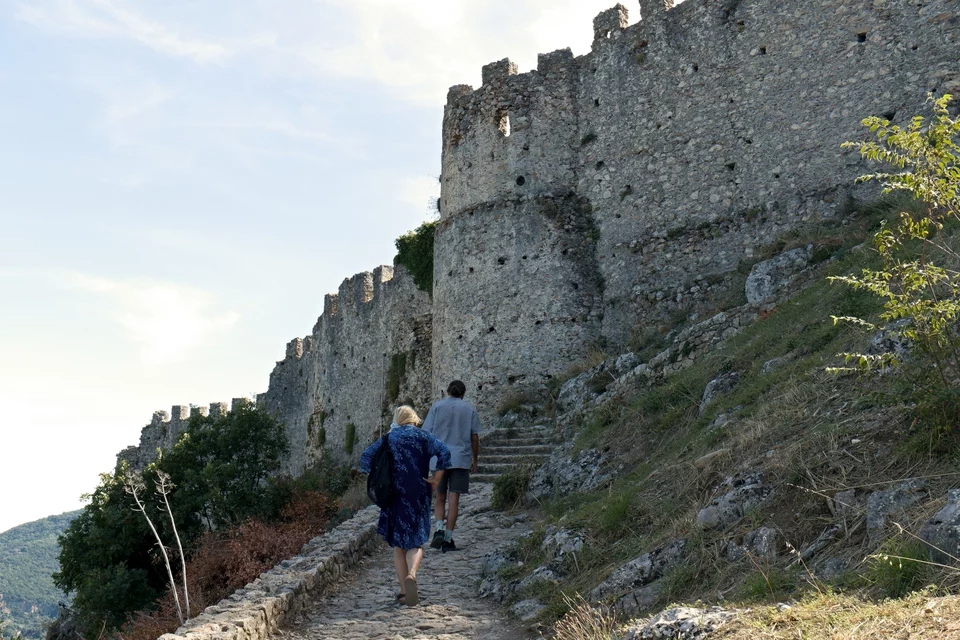
Comfortable and stable shoes are recommended as there are inclines and steps. The lift and improved routes greatly facilitate access for all visitors.
As its World Heritage Site UnescoMystras now acquires one of the most impressive and modern Byzantine palatial monuments. A visit to the Palace of the Despots is not just a tour, but a moving journey through time, to the last glow of Byzantium. An ideal destination for the three days of the Holy Spirit, full of history, nature and a unique atmosphere.